

Understanding the Benefits and Applications of a 1000mm Filter Press
Aug 22,2026


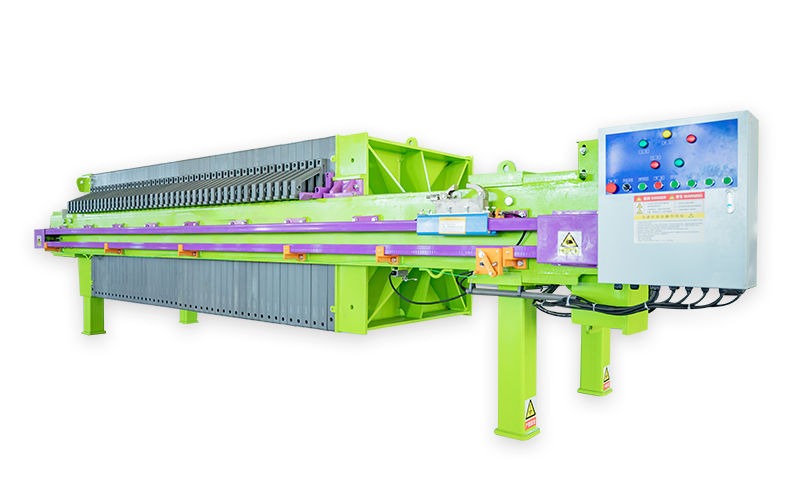
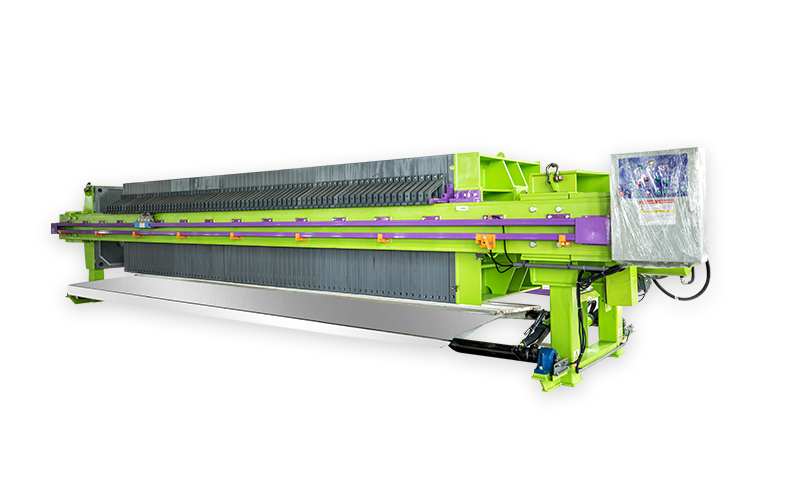
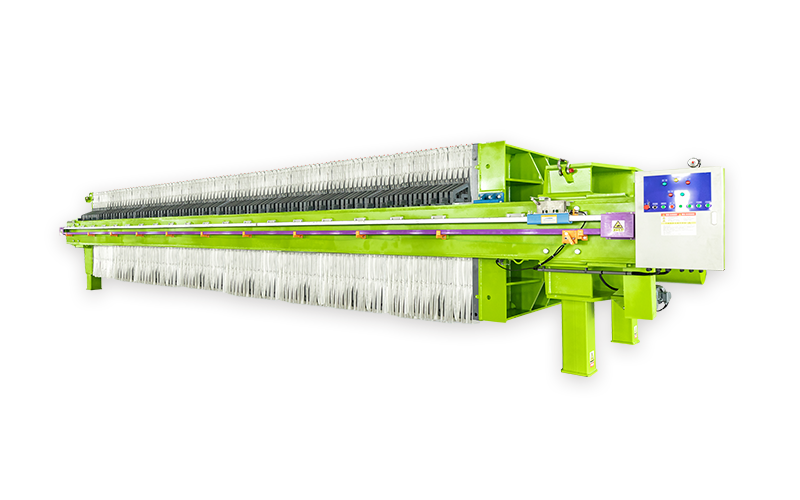
A 1000mm filter press is an essential industrial device utilized primarily for solid-liquid separation in various sectors, including mining, food processing, wastewater treatment, and chemical manufacturing. This equipment operates by applying pressure to a slurry, which allows the liquid to pass through filter cloths while the solid particles are retained, forming a cake.
One of the significant a
A 1000mm filter press is an essential industrial device utilized primarily for solid-liquid separation in various sectors, including mining, food processing, wastewater treatment, and chemical manufacturing. This equipment operates by applying pressure to a slurry, which allows the liquid to pass through filter cloths while the solid particles are retained, forming a cake.
One of the significant advantages of a 1000mm filter press is its high efficiency. The press can achieve a high degree of separation, resulting in clearer filtrate and drier cakes. This efficiency is particularly beneficial in industries where maintaining product quality is paramount. The design of the filter press allows for a relatively compact footprint, making it suitable for various applications, especially in facilities with space constraints.
The filtration process begins with the introduction of the slurry into the press. The filter plates, separated by filter cloths, create chambers where the slurry can accumulate. Once the chambers are filled, hydraulic pressure is applied to the plates, forcing the liquid through the filter media. The solid particles remain trapped, allowing for the collection of a dry filter cake. This process not only improves the recovery of valuable materials but also reduces waste disposal costs, making it an economically viable solution.
Moreover, a 1000mm filter press is versatile and can be tailored to suit specific operational requirements. Different filter cloth materials can be employed depending on the nature of the slurry, ensuring optimal performance. Additionally, advancements in automation have led to the development of fully automated systems, which enhance the operational efficiency of the filter press and reduce labor costs.
Maintenance of a 1000mm filter press is relatively straightforward, but regular checks and cleaning are essential to ensure optimal functionality. Operators should monitor the pressure levels and inspect the filter cloths for any wear and tear that may affect performance. Proper maintenance not only prolongs the lifespan of the equipment but also ensures continuous, reliable operation.
In summary, a 1000mm filter press serves as a vital component in the industrial filtration landscape. Its ability to efficiently separate solids from liquids makes it indispensable across various applications. By understanding the operational principles and maintenance requirements of a 1000mm filter press, industries can leverage this technology to enhance productivity and achieve better resource management. Whether you are involved in wastewater treatment or solid waste processing, incorporating a filter press into your operations can lead to significant improvements in efficiency and output quality.
We sincerely look forward to cooperating with you!
Customized Filtration System Overall Solution
Contact Us
Contact Information
Nan Development Zone, Jingxian County, Hengshui City, Hebei Province
Online Consultation
If you are interested in our products, please leave your email address, and we will contact you as soon as possible. Thank you!