

Essential Guide: How to Maintain Your 800mm Filter Press for Long-Lasting Efficiency
Aug 21,2026


How to Maintain Your 800mm Filter Press for Longevity
Table of Contents
Understanding the 800mm Filter Press
Importance of Maintenance
Regular Inspection Procedures
Cleaning the Filter Press
Hydraulic System Maintenance
Plate and Frame Care
Wear and Tear Assessment
Troubleshooting Common Issues
Frequently Asked Questions
Conclusion
Understanding the 800mm Filter Press
How to Maintain Your 800mm Filter Press for Longevity
Table of Contents
- Understanding the 800mm Filter Press
- Importance of Maintenance
- Regular Inspection Procedures
- Cleaning the Filter Press
- Hydraulic System Maintenance
- Plate and Frame Care
- Wear and Tear Assessment
- Troubleshooting Common Issues
- Frequently Asked Questions
- Conclusion
Understanding the 800mm Filter Press
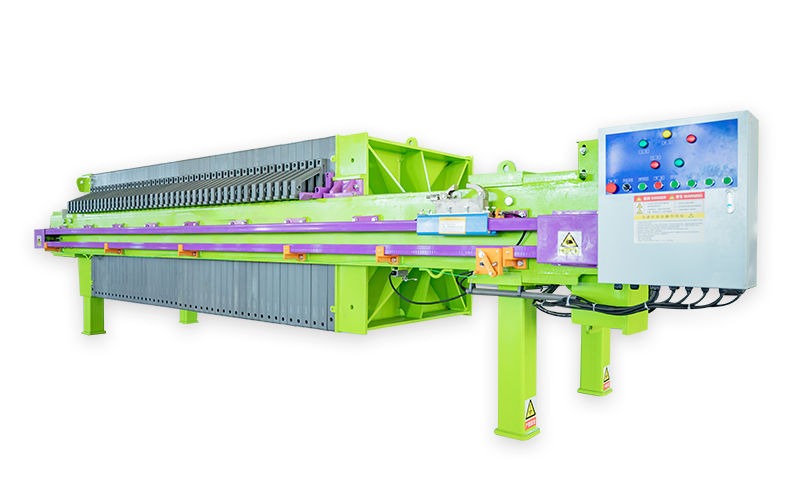
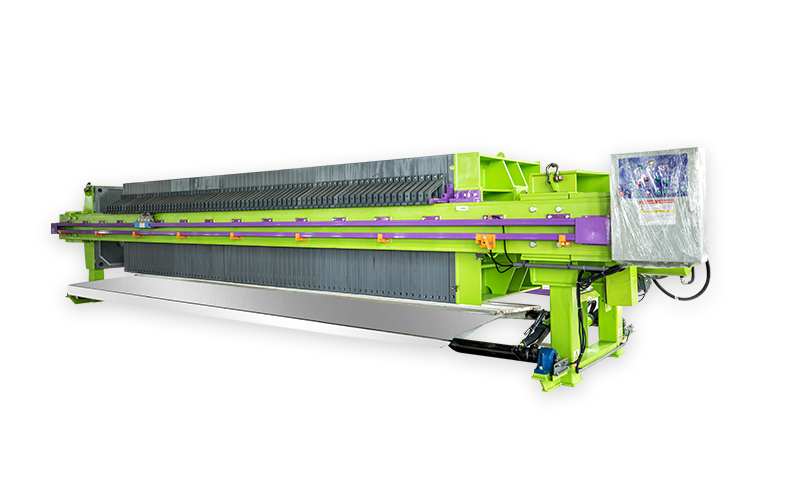
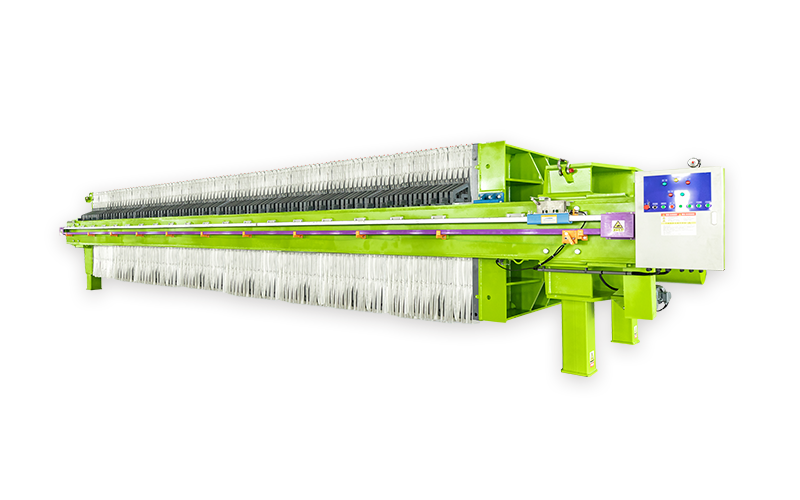
The **800mm filter press** is a crucial piece of equipment in various industrial applications, including water treatment, mining, and chemical processing. This machine excels at separating solids from liquids, utilizing pressure to force the liquid through a filter medium. The 800mm designation indicates the size of the filter plates, which significantly impacts the volume of sludge processed. Understanding how your filter press operates is vital for implementing effective maintenance strategies.
Importance of Maintenance
Maintaining your 800mm filter press is critical for several reasons:
1. **Operational Efficiency**: Regular maintenance ensures the machine operates at peak efficiency, reducing downtime and energy consumption.
2. **Extending Equipment Life**: Proper care can significantly extend the lifespan of the filter press, minimizing replacement costs.
3. **Improved Output Quality**: A well-maintained filter press produces higher quality filtrate, which is essential for meeting regulatory standards and customer expectations.
4. **Safety**: Regular inspections and maintenance can prevent accidents caused by equipment failure, protecting your workforce.
Regular Inspection Procedures
Routine inspections are the first step in maintaining the longevity of your 800mm filter press. Here’s a breakdown of essential inspection tasks:
Daily Inspections
- **Check Fluid Levels**: Ensure that hydraulic fluid levels are adequate, as low fluid can affect performance.
- **Visual Inspection**: Look for any visible leaks or signs of wear and tear on the equipment.
- **Monitor Performance**: Keep an eye on the output quality and any fluctuations in pressure readings.
Weekly Inspections
- **Filter Cloth Condition**: Inspect the filter cloth for wear and replace it if necessary to maintain filtration efficiency.
- **Mechanical Components**: Check bolts, nuts, and other mechanical components for tightness and integrity.
Monthly Inspections
- **Hydraulic System Check**: Inspect hoses and connections for leaks or damage.
- **Cleaning**: Undertake a thorough cleaning of the machine to remove any residual sludge or contaminants that can affect performance.
Cleaning the Filter Press
Cleaning your 800mm filter press is an integral part of maintenance. Accumulated residues can lead to decreased efficiency and quality.
Step-by-Step Cleaning Process
1. **Power Down**: Ensure the machine is completely powered down and isolated.
2. **Remove Filter Plates**: Carefully detach the filter plates and inspect them for damage.
3. **Clean Plates**: Use a high-pressure water jet to remove any residual sludge from the plates.
4. **Inspect Filter Cloth**: Examine filter cloth for damage; if necessary, clean or replace it.
5. **Reassemble and Test**: After cleaning, reassemble the filter press and run a test cycle to ensure everything is functioning properly.
Hydraulic System Maintenance
The hydraulic system is a critical component of your filter press, and its maintenance is essential for smooth operation.
Hydraulic Fluid Management
- **Fluid Quality**: Always use the recommended hydraulic fluid, and check for contamination regularly.
- **Fluid Replacement**: Change the hydraulic fluid according to the manufacturer’s guidelines to prevent degradation.
Checking Hydraulic Components
- **Inspect Hoses**: Regularly check hoses for cracks, leaks, or bulges.
- **Test Valves**: Ensure that all hydraulic valves are functioning correctly to maintain pressure regulation.
Plate and Frame Care
The plates and frames are fundamental to the filter press's operation. Proper care can dramatically enhance performance.
Inspection and Maintenance
- **Check for Warping**: Inspect plates for warping or damage that could hinder performance.
- **Regular Replacement**: Replace any damaged plates promptly to maintain filtration efficiency.
Sealing Elements
- **Inspect Seals**: Ensure that the seals between plates are intact to prevent leaks.
- **Replace Worn Seals**: Replace seals that show signs of wear to maintain optimal performance.
Wear and Tear Assessment
Understanding and assessing wear and tear is vital for maintaining the longevity of your equipment.
Identifying Common Wear Indicators
- **Pressure Fluctuations**: Sudden changes in pressure readings can indicate wear.
- **Reduced Filtration Efficiency**: A drop in output quality may signal that components require attention.
Scheduled Replacement Plans
Implement a replacement schedule for parts that wear out frequently to avoid unexpected breakdowns.
Troubleshooting Common Issues
Even with thorough maintenance, issues can arise with your 800mm filter press. Here are some common problems and their solutions:
Leakage Problems
- **Cause**: Worn seals or improper assembly can lead to leaks.
- **Solution**: Inspect and replace seals, ensuring proper assembly during reinstallation.
Pressure Loss
- **Cause**: Air leaks, hydraulic issues, or damaged components can cause pressure drop.
- **Solution**: Check for leaks in hoses and fittings, inspect the hydraulic system, and replace damaged parts.
Poor Filtration Quality**
- **Cause**: Clogged filter cloth or damaged plates can affect filtration performance.
- **Solution**: Clean or replace filter cloth and inspect plates for damage.
Frequently Asked Questions
How often should I clean my 800mm filter press?
We recommend a thorough cleaning after each production cycle, with deep maintenance cleaning monthly.
What are the signs that my filter press needs maintenance?
Signs include pressure fluctuations, leaks, and decreased output quality.
How can I extend the lifespan of my filter press?
Regular inspections, timely repairs, and proper cleaning are crucial for extending the lifespan of your filter press.
Is it necessary to replace filter cloths regularly?
Yes, filter cloths should be inspected and replaced regularly to maintain filtration efficiency.
What should I do if I experience persistent issues with my filter press?
If issues persist, consult a trained technician to diagnose and resolve complex problems.
Conclusion
Maintaining your **800mm filter press** effectively is essential for ensuring optimal performance and extending its lifespan. By implementing a routine inspection and maintenance schedule, including cleaning, hydraulic system management, and wear assessments, you can prevent common issues and enhance operational efficiency. Remember, a well-maintained filter press not only saves costs in the long run but also ensures compliance with industry standards and customer satisfaction. Regular maintenance is not just a task; it is an investment in the longevity and efficiency of your industrial filtration equipment.
We sincerely look forward to cooperating with you!
Customized Filtration System Overall Solution
Contact Us
Contact Information
Nan Development Zone, Jingxian County, Hengshui City, Hebei Province
Online Consultation
If you are interested in our products, please leave your email address, and we will contact you as soon as possible. Thank you!