

Innovative Filtration Solutions: The Impact of 1250mm Filter Press Technology
Aug 23,2026


Innovative Filtration Solutions: The Impact of 1250mm Filter Press Technology
In today's fast-paced industrial landscape, efficient filtration solutions play a critical role in enhancing productivity and maintaining regulatory compliance. The advent of 1250mm filter press technology has revolutionized the way industries manage liquid-solid separation. This article delves into the numerous advantages and applications of 1250mm filter presses, providing insights into their impact on various sectors.
Table of Contents
- 1. Introduction to 1250mm Filter Press Technology
- 2. Advantages of 1250mm Filter Presses
- 3. Applications Across Industries
- 4. How 1250mm Filter Press Technology Works
- 5. Maintenance Best Practices for Filter Presses
- 6. Environmental Benefits of Using 1250mm Filter Presses
- 7. Future Trends in Filtration Technology
- 8. Conclusion
- 9. FAQs
1. Introduction to 1250mm Filter Press Technology
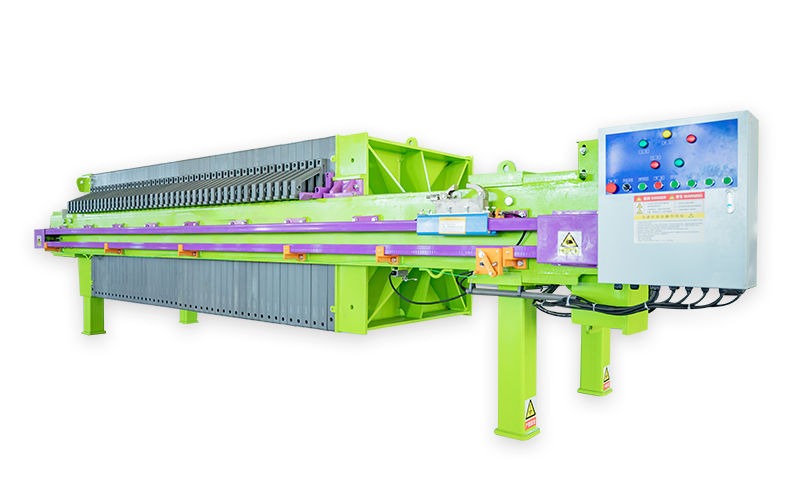
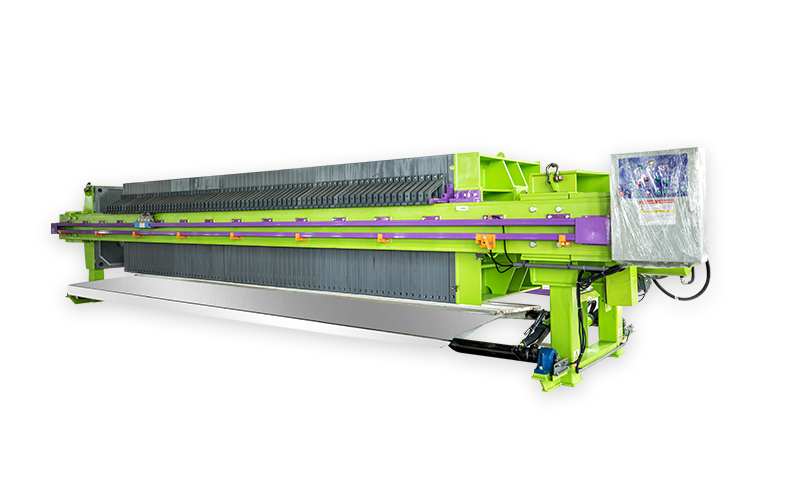
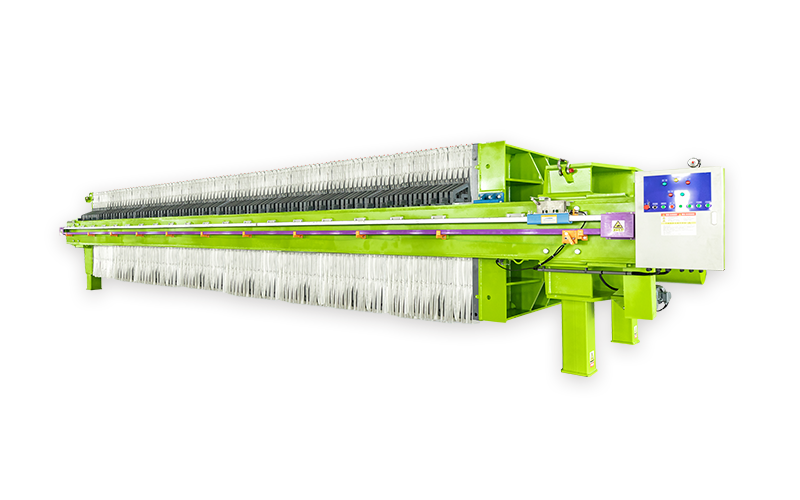
The 1250mm filter press represents a significant advancement in filtration technology, specifically designed to handle a variety of industrial applications. These filter presses utilize a series of filter plates and cloths to separate solids from liquids, resulting in a high-quality, drier cake and clarified effluent. As industries strive for more efficient and sustainable processes, the adoption of 1250mm filter presses has surged, driven by their enhanced performance and flexibility.
2. Advantages of 1250mm Filter Presses
2.1 Enhanced Filtration Efficiency
One of the most notable advantages of 1250mm filter presses is their ability to achieve high filtration efficiency. The large surface area provided by the filter plates allows for increased throughput, making them ideal for high-volume applications. This efficiency not only saves time but also reduces the overall operational costs associated with filtration.
2.2 Cost-Effectiveness
Investing in 1250mm filter press technology can lead to substantial cost savings over time. The reduced energy consumption, lower maintenance costs, and improved yield contribute to a favorable return on investment. Additionally, these filter presses minimize water usage, aligning with the industry's move towards more sustainable practices.
2.3 Versatility and Customization
1250mm filter presses are incredibly versatile, capable of handling various materials and adapting to different operational requirements. Whether it's in mining, chemical processing, or wastewater treatment, these filter presses can be customized to meet specific needs, enhancing their applicability across diverse sectors.
3. Applications Across Industries
3.1 Mining and Mineral Processing
In the mining industry, 1250mm filter presses are used extensively for dewatering concentrates and tailings. This process not only helps in recovering valuable minerals but also minimizes environmental impact by reducing the volume of waste materials.
3.2 Wastewater Treatment
Wastewater treatment plants benefit from the implementation of 1250mm filter presses, which efficiently separate solids from liquids, resulting in cleaner effluent that meets regulatory standards. This process is crucial for protecting water resources and promoting sustainability.
3.3 Chemical Processing
The chemical industry relies on 1250mm filter presses for the separation of solids from various chemical slurries. The ability to handle corrosive materials without compromising performance makes these filter presses a preferred choice in chemical processing applications.
3.4 Food and Beverage Industry
In the food and beverage sector, 1250mm filter presses are used for clarifying juices, oils, and other liquids. The high level of sanitation provided by these systems ensures that food safety standards are met without sacrificing efficiency.
4. How 1250mm Filter Press Technology Works
Understanding the mechanics of 1250mm filter presses is essential for optimizing their use. The system operates by pumping slurry into the filter press, where it is confined between two filter plates. As the slurry is pressurized, the liquid passes through the filter cloth, leaving behind the solid particles. This process continues until the filter cake reaches the desired thickness, at which point the press is opened, and the cake is discharged.
5. Maintenance Best Practices for Filter Presses
5.1 Regular Inspection
To ensure optimal performance, it is crucial to conduct regular inspections of the filter press. Checking for wear and tear on filter plates and cloths can prevent costly downtime and maintain efficiency.
5.2 Proper Cleaning Procedures
Implementing effective cleaning protocols is vital for maintaining the integrity of the filter media. Regular cleaning extends the lifespan of the filter cloths and ensures consistent filtration performance.
5.3 Monitoring Pressure Levels
Maintaining appropriate pressure levels during operation is essential for efficient filtration. Monitoring these levels can help identify potential issues early and maintain optimal performance.
6. Environmental Benefits of Using 1250mm Filter Presses
Adopting 1250mm filter press technology offers significant environmental benefits. By efficiently dewatering waste materials, these systems reduce the volume of sludge generated, facilitating easier disposal and minimizing landfill use. Furthermore, the ability to recycle water enhances resource efficiency and supports sustainable practices within various industries.
7. Future Trends in Filtration Technology
7.1 Automation and Smart Technology
The future of filtration technology will likely see increased automation and the integration of smart systems. These advancements promise enhanced monitoring and control capabilities, allowing operators to optimize performance and reduce human error.
7.2 Sustainable Filtration Solutions
As industries strive for sustainability, the development of eco-friendly filtration solutions will gain momentum. Innovations aimed at reducing energy consumption and waste generation will play a pivotal role in shaping the future of filtration technology.
7.3 Improved Materials and Designs
Research and development in materials science will lead to more durable and efficient filter media. Enhanced designs will further improve the performance and versatility of filter presses, accommodating a broader range of applications.
8. Conclusion
The impact of 1250mm filter press technology on industrial applications cannot be overstated. Its numerous advantages, from enhanced efficiency to environmental benefits, make it an essential tool for various sectors. As industries continue to prioritize sustainability and operational efficiency, the adoption of innovative filtration solutions like the 1250mm filter press will undoubtedly rise, shaping the future of industrial filtration.
9. FAQs
What is a 1250mm filter press?
A 1250mm filter press is a type of filtration equipment that utilizes a series of filter plates and cloths to separate solids from liquids in various industrial applications.
How does a filter press work?
A filter press operates by pumping slurry into the press, where it is confined between filter plates. The liquid is filtered through the cloth, leaving solid particles behind to form a filter cake.
What industries use 1250mm filter presses?
1250mm filter presses are used across multiple industries, including mining, wastewater treatment, chemical processing, and food and beverage production.
What maintenance is required for a filter press?
Regular inspections, proper cleaning procedures, and monitoring of pressure levels are essential for maintaining a filter press in optimal working condition.
What are the environmental benefits of using a filter press?
Filter presses help reduce sludge volume, facilitate easier disposal, and promote water recycling, contributing to more sustainable industrial practices.
What are the future trends in filtration technology?
Future trends include increased automation, development of sustainable filtration solutions, and improvements in materials and designs for enhanced performance.
We sincerely look forward to cooperating with you!
Customized Filtration System Overall Solution
Contact Us
Contact Information
Nan Development Zone, Jingxian County, Hengshui City, Hebei Province
Online Consultation
If you are interested in our products, please leave your email address, and we will contact you as soon as possible. Thank you!