

Understanding the Benefits and Features of a 1000mm Filter Press in Industrial Applications
Aug 12,2026


In the realm of industrial filtration, the 1000mm filter press stands out as a pivotal piece of equipment, offering reliable and efficient separation of solids from liquids. This technology is essential in numerous sectors, including mining, wastewater treatment, food and beverage, and pharmaceuticals. Understanding the functionalities and benefits of a 1000mm filter press can significantly impact
In the realm of industrial filtration, the 1000mm filter press stands out as a pivotal piece of equipment, offering reliable and efficient separation of solids from liquids. This technology is essential in numerous sectors, including mining, wastewater treatment, food and beverage, and pharmaceuticals. Understanding the functionalities and benefits of a 1000mm filter press can significantly impact operational efficiency and product quality.
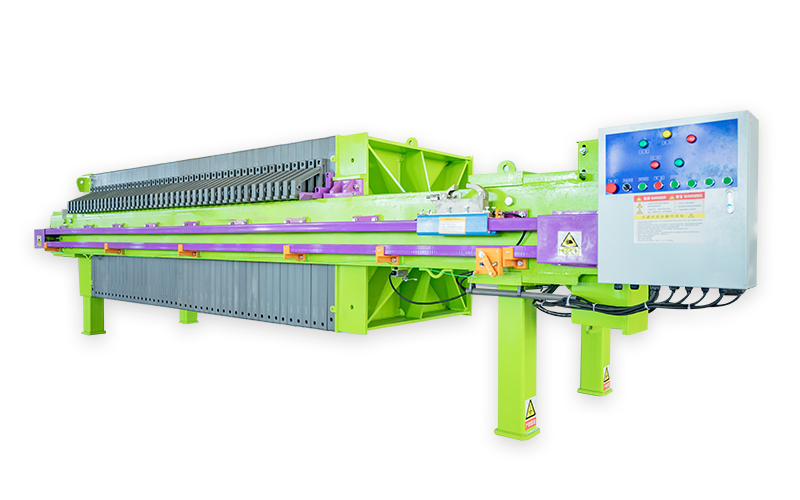
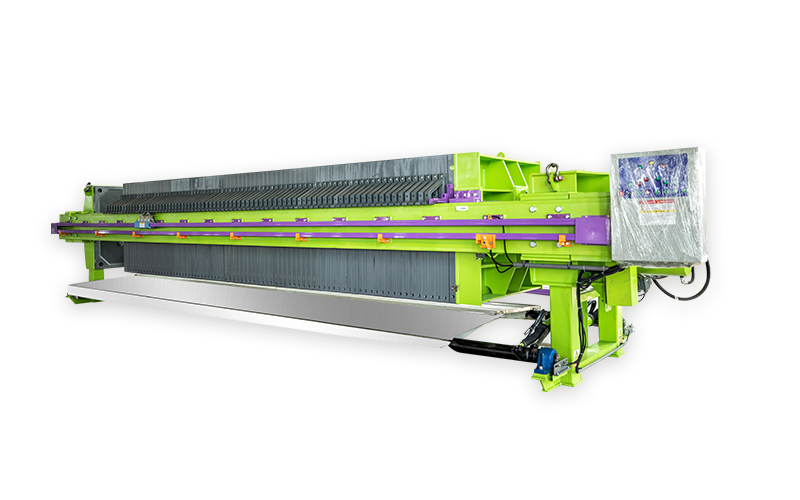
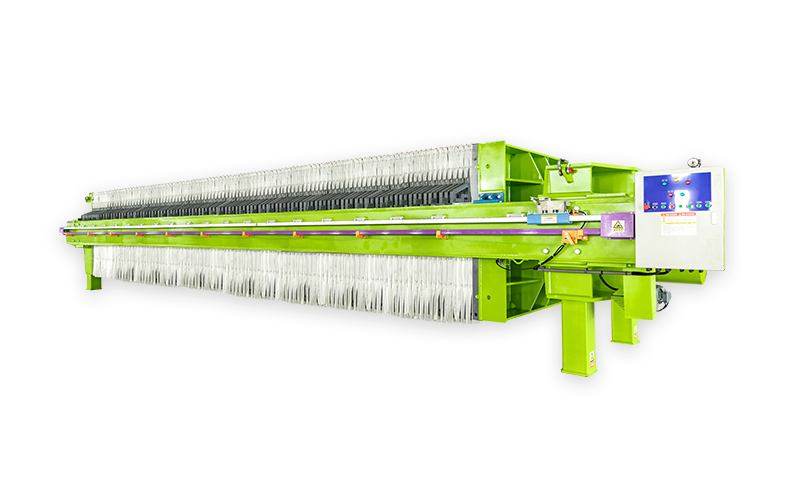
One of the primary advantages of a 1000mm filter press is its ability to handle large volumes of slurry, making it ideal for industries that require significant dewatering processes. With a plate size of 1000mm, this filter press can accommodate various feed materials, allowing for versatile applications. The design typically consists of a series of filter plates that are pressed together under hydraulic pressure, creating chambers that capture solids while allowing liquids to pass through. This mechanism not only enhances the efficiency of solid-liquid separation but also optimizes the use of space in industrial settings.
Another noteworthy feature of the 1000mm filter press is its adaptability. It can be configured for batch or continuous operations depending on the specific requirements of the application. This flexibility enables industries to meet varying production demands without compromising on the quality of the output. Moreover, the filter press can be integrated with automation systems, further streamlining the filtration process and reducing manual intervention. This is particularly beneficial in environments where consistent quality and high throughput are critical.
Maintenance is also an essential aspect to consider when utilizing a 1000mm filter press. Regular inspection and cleaning of the filter plates and cloths are necessary to prevent clogging and ensure optimal performance. Many modern filter presses come equipped with features that facilitate easy maintenance, such as automatic cloth washing systems. This not only prolongs the lifespan of the equipment but also enhances the overall efficiency of the filtration process.
In terms of environmental impact, the use of a 1000mm filter press contributes positively to sustainability efforts within industries. By effectively separating solids from liquids, it minimizes waste and promotes the recycling of materials, aligning with modern practices aimed at reducing the carbon footprint of manufacturing processes.
In conclusion, the 1000mm filter press is a versatile and efficient solution for various industrial filtration needs. Its robust design, adaptability, and ease of maintenance make it an invaluable asset for industries seeking to improve their operational efficiency and product quality. Understanding these key aspects can guide professionals in making informed decisions regarding their filtration equipment choices.
One of the primary advantages of a 1000mm filter press is its ability to handle large volumes of slurry, making it ideal for industries that require significant dewatering processes. With a plate size of 1000mm, this filter press can accommodate various feed materials, allowing for versatile applications. The design typically consists of a series of filter plates that are pressed together under hydraulic pressure, creating chambers that capture solids while allowing liquids to pass through. This mechanism not only enhances the efficiency of solid-liquid separation but also optimizes the use of space in industrial settings.
Another noteworthy feature of the 1000mm filter press is its adaptability. It can be configured for batch or continuous operations depending on the specific requirements of the application. This flexibility enables industries to meet varying production demands without compromising on the quality of the output. Moreover, the filter press can be integrated with automation systems, further streamlining the filtration process and reducing manual intervention. This is particularly beneficial in environments where consistent quality and high throughput are critical.
Maintenance is also an essential aspect to consider when utilizing a 1000mm filter press. Regular inspection and cleaning of the filter plates and cloths are necessary to prevent clogging and ensure optimal performance. Many modern filter presses come equipped with features that facilitate easy maintenance, such as automatic cloth washing systems. This not only prolongs the lifespan of the equipment but also enhances the overall efficiency of the filtration process.
In terms of environmental impact, the use of a 1000mm filter press contributes positively to sustainability efforts within industries. By effectively separating solids from liquids, it minimizes waste and promotes the recycling of materials, aligning with modern practices aimed at reducing the carbon footprint of manufacturing processes.
In conclusion, the 1000mm filter press is a versatile and efficient solution for various industrial filtration needs. Its robust design, adaptability, and ease of maintenance make it an invaluable asset for industries seeking to improve their operational efficiency and product quality. Understanding these key aspects can guide professionals in making informed decisions regarding their filtration equipment choices.
We sincerely look forward to cooperating with you!
Customized Filtration System Overall Solution
Contact Us
Contact Information
Nan Development Zone, Jingxian County, Hengshui City, Hebei Province
Online Consultation
If you are interested in our products, please leave your email address, and we will contact you as soon as possible. Thank you!