

Troubleshooting Common Issues with 1250mm Filter Press Systems: A Comprehensive Guide
Aug 13,2026


Troubleshooting Common Issues with 1250mm Filter Press Systems
When it comes to **industrial filtration**, the **1250mm filter press systems** are indispensable. These robust machines play a crucial role in separating solids from liquids in various applications, including wastewater treatment, mineral processing, and food production. However, like any complex system, they can encounter challenges
Troubleshooting Common Issues with 1250mm Filter Press Systems
When it comes to **industrial filtration**, the **1250mm filter press systems** are indispensable. These robust machines play a crucial role in separating solids from liquids in various applications, including wastewater treatment, mineral processing, and food production. However, like any complex system, they can encounter challenges that hinder their performance. In this guide, we will delve into the most common issues faced by 1250mm filter press systems and provide practical troubleshooting steps to resolve them.
Table of Contents
1. Understanding the Functionality of 1250mm Filter Press Systems
2. Common Issues in 1250mm Filter Press Systems
2.1 Incomplete Filtration
2.2 Leaks and Fluid Loss
2.3 Low Cake Formation
2.4 Excessive Wear and Tear
2.5 Control System Malfunctions
3. Key Troubleshooting Steps
3.1 Monitoring Pressure and Flow Rates
3.2 Regular Maintenance Practices
3.3 Identifying and Repairing Leaks
3.4 Adjusting Feed and Discharge Rates
4. Best Practices for Maintaining 1250mm Filter Press Systems
5. Frequently Asked Questions (FAQs)
6. Conclusion
1. Understanding the Functionality of 1250mm Filter Press Systems
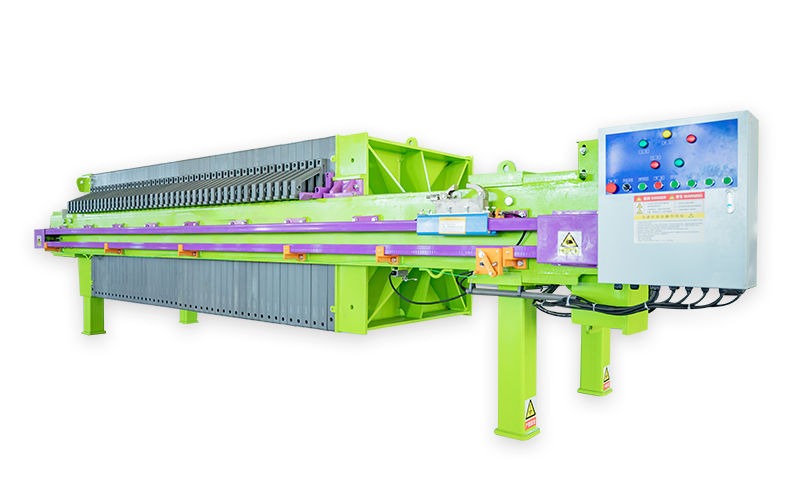
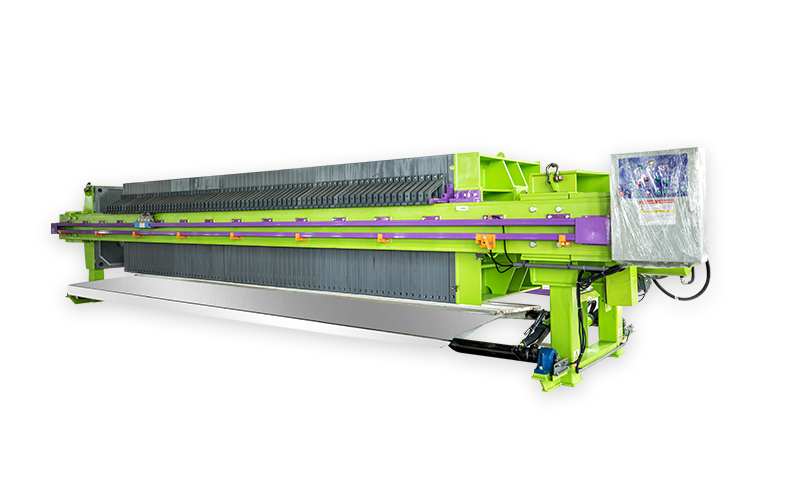
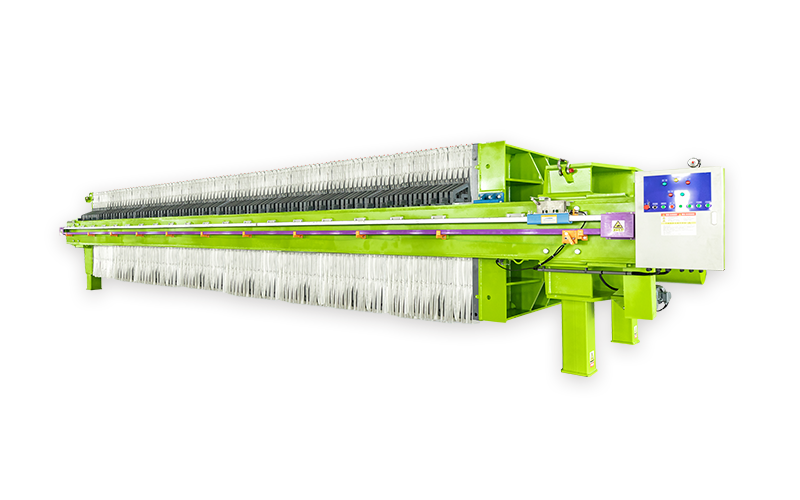
The **1250mm filter press system** operates by using pressure to force liquid through filter media, effectively separating solids from liquids. The system consists of a series of plates and frames that hold the filter cloth in place. When slurry is pumped into the chamber, the solids accumulate on the filter cloth, forming a cake. This process continues until the desired thickness of the cake is achieved, after which the press is opened to remove the cake and discharge the filtered liquid.
2. Common Issues in 1250mm Filter Press Systems
Despite their reliable performance, 1250mm filter press systems can experience various issues. Understanding these problems is the first step in effective troubleshooting.
2.1 Incomplete Filtration
Incomplete filtration occurs when the filter press fails to remove the anticipated volume of solids from the liquid. This issue can result from several factors, including incorrect feed rates, insufficient pressure, or clogged filter media.
2.2 Leaks and Fluid Loss
Leaks are a significant concern in filter press operations, as they can lead to fluid loss and reduced efficiency. Common leak sources include worn gaskets, damaged seals, and improperly tightened fittings.
2.3 Low Cake Formation
Low cake formation can occur due to inadequate feed volume or pressure, leading to insufficient solids accumulation. This issue can result in higher operational costs and inefficient processing.
2.4 Excessive Wear and Tear
The components of a filter press, such as plates and cloths, are subject to wear over time. Excessive wear can lead to reduced filtration efficiency and increased maintenance costs.
2.5 Control System Malfunctions
The control system of a 1250mm filter press is vital for ensuring optimal operation. Malfunctions can lead to inaccurate readings and suboptimal performance, causing delays and increased downtime.
3. Key Troubleshooting Steps
To effectively address the common issues faced by 1250mm filter press systems, we recommend the following troubleshooting steps.
3.1 Monitoring Pressure and Flow Rates
Regular monitoring of pressure and flow rates is crucial for identifying potential issues early. Implement pressure gauges and flow meters to track performance and make adjustments as needed.
3.2 Regular Maintenance Practices
Implement a structured maintenance schedule that includes routine inspections, cleaning, and replacement of worn components. Regular maintenance can prevent many common issues and extend the lifespan of your filter press.
3.3 Identifying and Repairing Leaks
Conduct routine checks for leaks by inspecting seals, gaskets, and fittings. If leaks are identified, promptly repair or replace damaged components to prevent fluid loss and ensure optimal performance.
3.4 Adjusting Feed and Discharge Rates
Ensure that the feed and discharge rates are optimized for your specific application. Adjusting these rates can help achieve better filtration results and improve overall efficiency.
4. Best Practices for Maintaining 1250mm Filter Press Systems
In addition to troubleshooting common issues, implementing best practices can significantly enhance the performance of your filter press systems.
- **Regular Training:** Ensure that operators are well-trained in the operation and maintenance of the filter press to minimize the risk of human error.
- **Quality Control:** Regularly test and monitor the quality of the feed material to ensure compatibility with the filter media and system.
- **Invest in Upgrades:** Consider upgrading components, such as automation controls and monitoring systems, to improve efficiency and reliability.
5. Frequently Asked Questions (FAQs)
Q1: How often should I perform maintenance on my 1250mm filter press system?
A: Maintenance schedules can vary based on usage, but a monthly inspection is recommended to ensure optimal performance.
Q2: What are the signs of a clogged filter media?
A: Signs include reduced flow rates, increased pressure readings, and visible accumulation of solids on the filter cloth.
Q3: Can I repair leaks in my filter press system myself?
A: Minor leaks can often be repaired with the right tools and materials, but it's best to consult with a professional for significant issues.
Q4: What type of filter cloth is best for my application?
A: The best filter cloth depends on the nature of the slurry being processed. Consult with your supplier for recommendations based on your specific requirements.
Q5: How can I improve the efficiency of my filter press system?
A: Regular maintenance, monitoring performance metrics, and optimizing feed rates are all effective ways to enhance efficiency.
6. Conclusion
Troubleshooting common issues with **1250mm filter press systems** requires a systematic approach to identify and resolve problems. By understanding the functionality of these systems and implementing regular maintenance and monitoring practices, operators can ensure efficient and reliable performance. Whether faced with incomplete filtration, leaks, or low cake formation, the strategies outlined in this guide will empower you to maintain optimal operation and extend the lifespan of your filter press systems. Remember, proactive maintenance and timely troubleshooting are key to achieving the best results in your industrial filtration processes.
Previous:
We sincerely look forward to cooperating with you!
Customized Filtration System Overall Solution
Contact Us
Contact Information
Nan Development Zone, Jingxian County, Hengshui City, Hebei Province
Online Consultation
If you are interested in our products, please leave your email address, and we will contact you as soon as possible. Thank you!