

Choosing the Right Filter Medium for Your 800mm Filter Press: A Comprehensive Guide
Aug 11,2026


Choosing the Right Filter Medium for Your 800mm Filter Press: A Comprehensive Guide
Table of Contents
- Understanding Filter Presses
- The Importance of Filter Media
- Types of Filter Media for 800mm Filter Press
- Factors to Consider When Choosing Filter Media
- Benefits of Choosing the Right Filter Medium
- Maintenance and Care for Filter Media
- Frequently Asked Questions
- Conclusion
Understanding Filter Presses
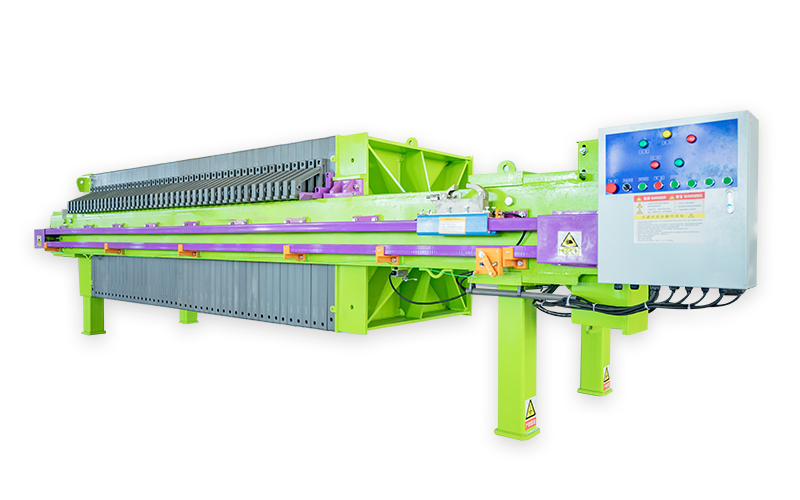
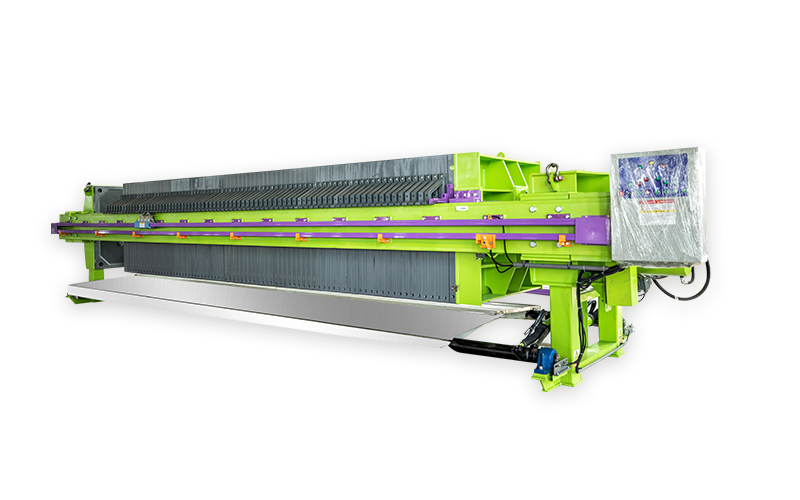
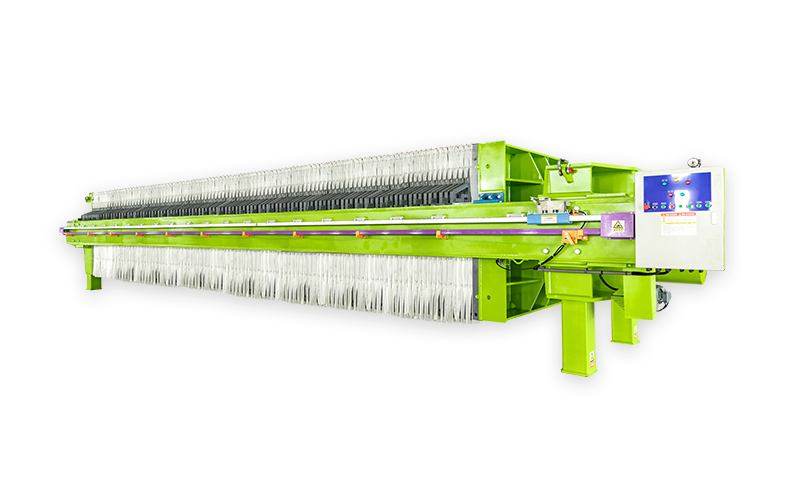
Filter presses serve as crucial components in various industrial applications, particularly in sectors like wastewater treatment, food and beverage processing, and mineral processing. These devices separate solids from liquids by applying pressure to a slurry, which is held between plates that act as the filtering medium. The efficiency of this separation process largely depends on the choice of filter medium, making it essential to understand the options available for an 800mm filter press.
The Importance of Filter Media
The filter medium is the heart of any filter press system, as it directly impacts the quality of the filtrate and the overall performance of the equipment. Selecting the appropriate filter medium not only enhances the filtration process but also affects the operational costs and maintenance frequency of the filter press.
Types of Filter Media for 800mm Filter Press
When it comes to 800mm filter presses, there are several types of filter media to consider, each with its unique properties and applications.
Woven Fabrics
Woven fabrics are one of the most common types of filter media used in filter presses. These materials are made from tightly woven fibers that offer excellent strength and durability. They are suitable for applications where the slurry contains larger particles and can withstand high pressure. Woven fabrics also provide good air permeability, facilitating faster cake discharge.
Non-Woven Fabrics
Non-woven fabrics are increasingly popular due to their versatility and efficiency. Unlike woven fabrics, non-woven materials are made from fibers that are bonded together through heat, pressure, or adhesives. This type of filter media is particularly effective for fine particle filtration, offering lower resistance to flow and improving overall filtration rates. Non-woven fabrics are ideal for applications that require high-quality filtrate and quick cycle times.
Membrane Filter Plates
Membrane filter plates incorporate a flexible membrane that can be inflated after the initial dewatering process. This added feature allows for further cake compaction, resulting in drier cakes and enhanced recovery of valuable materials. Membrane filter plates are ideal for industries that require efficient liquid-solid separation and minimal waste.
Factors to Consider When Choosing Filter Media
Choosing the right filter medium involves considering several critical factors that can influence your filtration process.
Chemical Compatibility
Every industrial application involves specific chemicals in the slurry. It is crucial to select filter media that can withstand these chemicals without degrading. Always consult with manufacturers to ensure the filter medium is compatible with the substances it will encounter during operation.
Temperature Resistance
The temperature of the slurry can significantly affect the choice of filter media. High temperatures may necessitate materials that can withstand thermal stress without losing structural integrity. Understanding the temperature range of your application will help you select the best filter medium for long-term performance.
Filtration Efficiency
Different filter media offer varying levels of filtration efficiency. It is essential to assess the desired clarity of the filtrate and the size of the particles to determine the most effective filter medium. Conducting tests with different materials can help you identify the optimal choice for your needs.
Benefits of Choosing the Right Filter Medium
Selecting the right filter medium leads to a multitude of benefits, including:
- Enhanced Filtration Quality: Achieve higher levels of clarity in your filtrate.
- Cost Efficiency: Reduce the need for frequent maintenance and replacement of filter media.
- Improved Operational Efficiency: Optimize the filtration process for faster cycle times and improved productivity.
- Reduced Environmental Impact: Minimize waste and enhance resource recovery.
Maintenance and Care for Filter Media
Proper maintenance of filter media is vital for ensuring their longevity and effectiveness. Here are some key maintenance practices to enhance the lifespan of your filter medium:
- Regular Inspections: Periodically check for wear and tear to identify any issues before they escalate.
- Proper Cleaning: Follow the manufacturer's guidelines for cleaning to prevent clogging and maintain optimal flow rates.
- Timely Replacement: Replace filter media as needed to avoid compromising filtration quality and operational efficiency.
Frequently Asked Questions
What is the most common type of filter medium used in 800mm filter presses?
The most common types are woven and non-woven fabrics, with membrane filter plates gaining popularity for specific applications.
How does chemical compatibility affect filter medium selection?
Choosing a filter medium that is chemically compatible ensures durability and prevents degradation during operation, which can affect filtration efficiency.
What maintenance practices should I follow for my filter media?
Regular inspections, proper cleaning, and timely replacement are essential maintenance practices that enhance the performance and longevity of filter media.
Can I use multiple types of filter media in one filter press?
While it’s technically possible, it is generally not recommended as it can complicate the filtration process and lead to inefficiencies.
How can I improve the filtration efficiency of my 800mm filter press?
Choosing the right filter medium, conducting regular maintenance, and optimizing operational parameters can significantly improve filtration efficiency.
Conclusion
Choosing the right filter medium for your 800mm filter press is a critical decision that can greatly impact your operational efficiency, filtration quality, and overall productivity. By understanding the various types of filter media available, considering key factors such as chemical compatibility and temperature resistance, and following proper maintenance practices, you can ensure optimal performance from your filter press. Take the time to evaluate your specific needs, and make an informed choice that will serve your industrial process well into the future.
Previous:
We sincerely look forward to cooperating with you!
Customized Filtration System Overall Solution
Contact Us
Contact Information
Nan Development Zone, Jingxian County, Hengshui City, Hebei Province
Online Consultation
If you are interested in our products, please leave your email address, and we will contact you as soon as possible. Thank you!