

Enhancing Sludge Dewatering Efficiency with 1500 Filter Press Technology
Jun 29,2026


In the realm of industrial equipment and components, the 1500 filter press for sludge dewatering stands out as a vital solution for enhancing operational efficiency and environmental sustainability. Sludge dewatering is a critical process in wastewater treatment and various industrial applications, where the removal of excess water from sludge is essential to reduce disposal costs and improve hand
In the realm of industrial equipment and components, the 1500 filter press for sludge dewatering stands out as a vital solution for enhancing operational efficiency and environmental sustainability. Sludge dewatering is a critical process in wastewater treatment and various industrial applications, where the removal of excess water from sludge is essential to reduce disposal costs and improve handling characteristics.
One of the key advantages of the 1500 filter press is its ability to significantly reduce the volume of sludge. By applying pressure to the sludge through its filter plates, the press effectively separates liquid from solid particles, resulting in a drier cake that is easier to manage and transport. This efficiency not only conserves resources but also minimizes the environmental impact associated with sludge disposal.
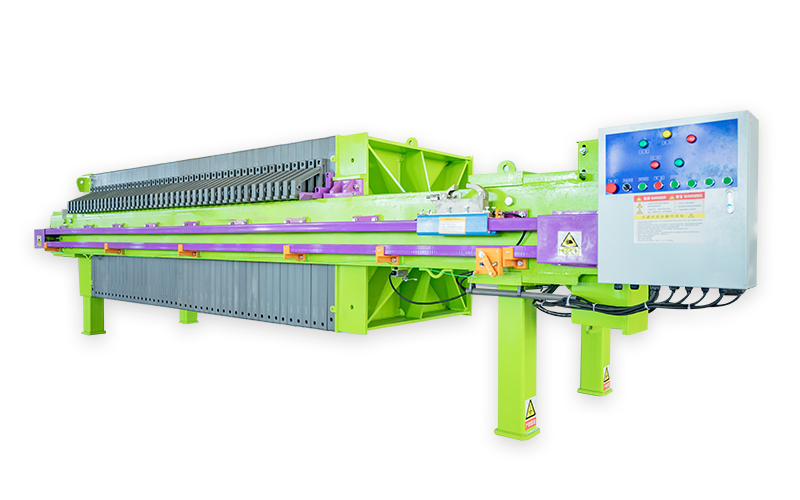
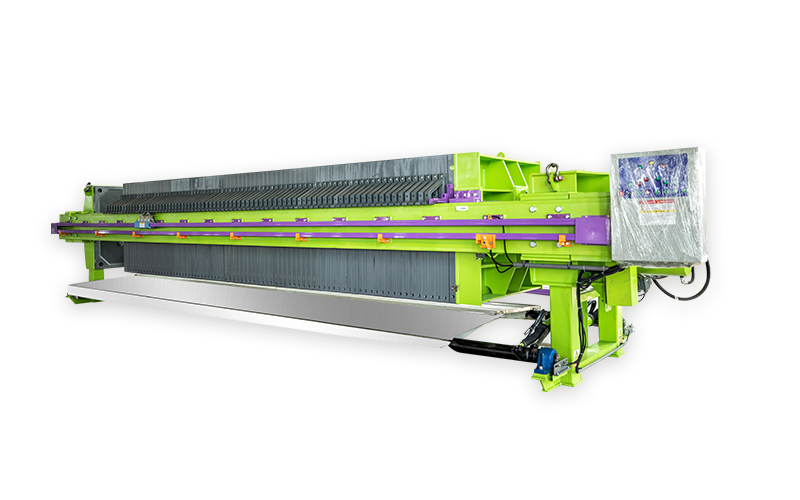
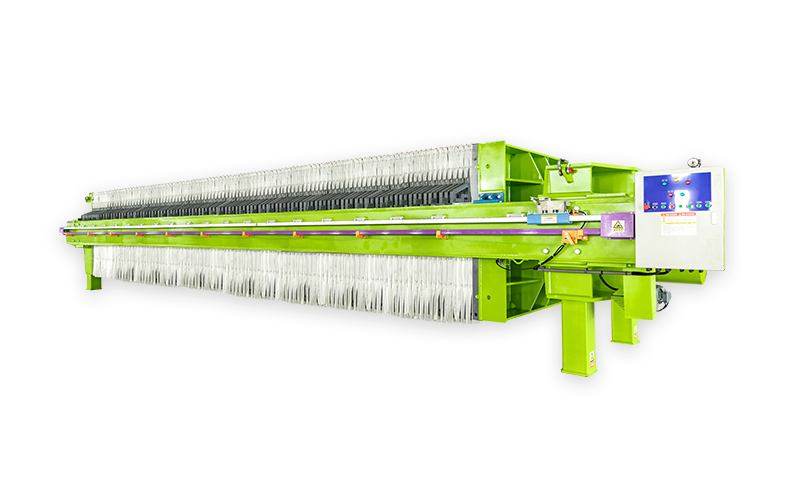
The design of a 1500 filter press typically features robust frames and durable filter cloths, ensuring reliable performance under high-pressure conditions. The flexibility in plate sizes and configurations allows for customization according to specific process requirements. This adaptability is crucial in various sectors, including municipal wastewater treatment, food processing, and mining, where sludge characteristics can vary significantly.
Moreover, maintenance of the 1500 filter press is relatively straightforward, which enhances its appeal for industrial applications. Regular inspection and cleaning of the filter cloths, along with monitoring of the hydraulic system, can prolong the life of the equipment and optimize its functionality. This proactive approach to maintenance not only reduces downtime but also supports consistent performance, ensuring that the dewatering process remains efficient.
Incorporating a 1500 filter press into your sludge management strategy can yield substantial benefits. By improving the dewatering process, organizations can lower transportation costs, enhance landfill operations, and meet stricter environmental regulations. Furthermore, the reduction in sludge volume can free up valuable space at treatment facilities and streamline operations across various industrial settings.
In conclusion, the adoption of a 1500 filter press for sludge dewatering represents a proactive step toward improving efficiency, sustainability, and compliance in industrial operations. By understanding its functionality and maintenance needs, industry professionals can leverage this technology to optimize their sludge management processes effectively. As the demand for efficient wastewater treatment solutions continues to grow, investing in advanced filter press technology is essential for staying competitive and environmentally responsible in the industrial landscape.
One of the key advantages of the 1500 filter press is its ability to significantly reduce the volume of sludge. By applying pressure to the sludge through its filter plates, the press effectively separates liquid from solid particles, resulting in a drier cake that is easier to manage and transport. This efficiency not only conserves resources but also minimizes the environmental impact associated with sludge disposal.
The design of a 1500 filter press typically features robust frames and durable filter cloths, ensuring reliable performance under high-pressure conditions. The flexibility in plate sizes and configurations allows for customization according to specific process requirements. This adaptability is crucial in various sectors, including municipal wastewater treatment, food processing, and mining, where sludge characteristics can vary significantly.
Moreover, maintenance of the 1500 filter press is relatively straightforward, which enhances its appeal for industrial applications. Regular inspection and cleaning of the filter cloths, along with monitoring of the hydraulic system, can prolong the life of the equipment and optimize its functionality. This proactive approach to maintenance not only reduces downtime but also supports consistent performance, ensuring that the dewatering process remains efficient.
Incorporating a 1500 filter press into your sludge management strategy can yield substantial benefits. By improving the dewatering process, organizations can lower transportation costs, enhance landfill operations, and meet stricter environmental regulations. Furthermore, the reduction in sludge volume can free up valuable space at treatment facilities and streamline operations across various industrial settings.
In conclusion, the adoption of a 1500 filter press for sludge dewatering represents a proactive step toward improving efficiency, sustainability, and compliance in industrial operations. By understanding its functionality and maintenance needs, industry professionals can leverage this technology to optimize their sludge management processes effectively. As the demand for efficient wastewater treatment solutions continues to grow, investing in advanced filter press technology is essential for staying competitive and environmentally responsible in the industrial landscape.
We sincerely look forward to cooperating with you!
Customized Filtration System Overall Solution
Contact Us
Contact Information
Nan Development Zone, Jingxian County, Hengshui City, Hebei Province
Online Consultation
If you are interested in our products, please leave your email address, and we will contact you as soon as possible. Thank you!