

Innovative Techniques to Enhance the Performance of Your 2000mm Filter Press
Jun 30,2026


Innovative Techniques to Enhance the Performance of Your 2000mm Filter Press
Table of Contents
1. Introduction to 2000mm Filter Presses
2. Importance of Performance Optimization
3. Understanding the Filtration Process
3.1 Types of Filtration
3.2 Key Components of a 2000mm Filter Press
4. Innovative Techniques to Enhance Performance
4.1 Automation and Control Systems
4.2 Advanced
Innovative Techniques to Enhance the Performance of Your 2000mm Filter Press
Table of Contents
1. Introduction to 2000mm Filter Presses
2. Importance of Performance Optimization
3. Understanding the Filtration Process
3.1 Types of Filtration
3.2 Key Components of a 2000mm Filter Press
4. Innovative Techniques to Enhance Performance
4.1 Automation and Control Systems
4.2 Advanced Filter Cloth Technologies
4.3 Optimal Cake Discharge Strategies
4.4 Maintenance Best Practices
4.5 Recycling and Waste Management Innovations
5. Case Studies of Successful Implementations
6. Challenges and Solutions in Filter Press Operations
7. Frequently Asked Questions (FAQs)
8. Conclusion
1. Introduction to 2000mm Filter Presses
In the realm of industrial filtration, the **2000mm filter press** stands as a crucial piece of equipment that separates solids from liquids. Its design enables effective drainage of liquids while retaining solid materials, making it indispensable in various sectors, including wastewater treatment, food and beverage, and chemical manufacturing. Understanding how to enhance the performance of these machines is essential for maximizing productivity and efficiency in filtration operations.
2. Importance of Performance Optimization
Optimizing the performance of your filter press translates directly into **enhanced productivity, reduced operational costs,** and improved product quality. In an era where efficiency is paramount, employing innovative techniques becomes vital. Increased performance means lower energy consumption, reduced cycle times, and improved overall process reliability, all of which contribute to a more sustainable operation.
3. Understanding the Filtration Process
To effectively enhance the performance of a 2000mm filter press, it is essential first to understand the filtration process it engages in.
3.1 Types of Filtration
Filtration can be classified into several types, including **gravity filtration, vacuum filtration,** and **pressure filtration.** Each method has its advantages and is suitable for different applications. Filter presses primarily utilize pressure filtration, which provides a higher degree of separation efficiency.
3.2 Key Components of a 2000mm Filter Press
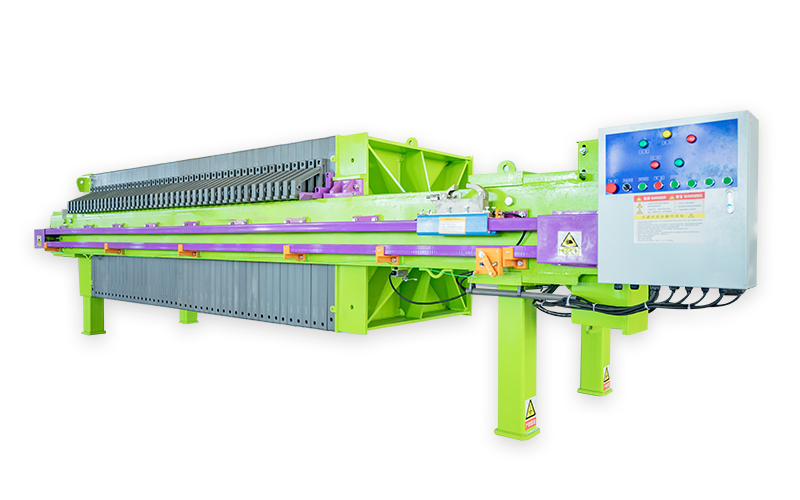
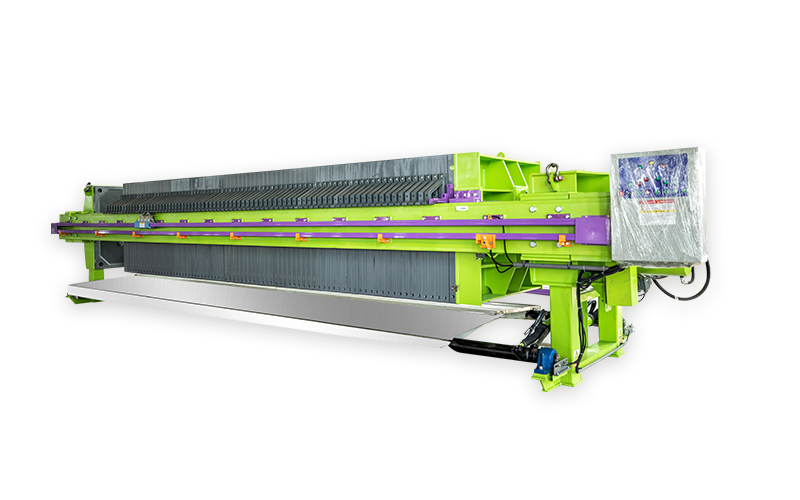
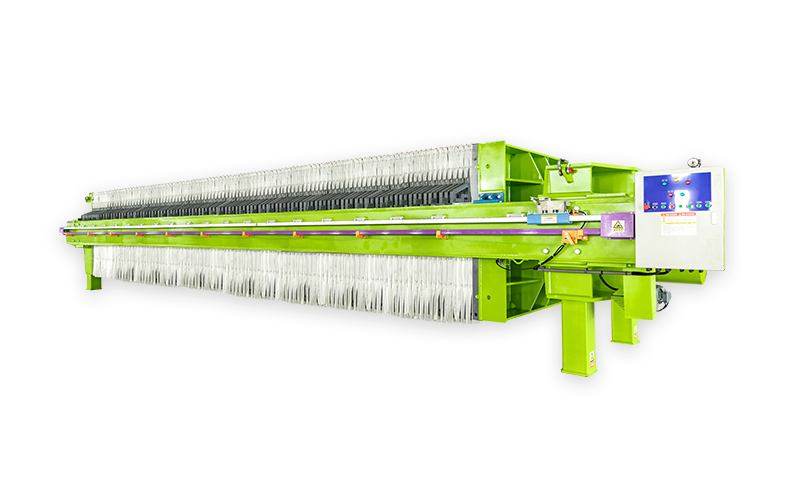
Understanding the components of a 2000mm filter press can help in identifying areas for performance improvement. Key components include:
- **Filter Plates:** These determine the size and thickness of the filter cake.
- **Filter Cloths:** The material through which the liquid passes and solids are retained.
- **Hydraulic System:** Controls the opening and closing of the plates.
- **Cake Discharge Mechanism:** Aids in removing the solid cake post-filtration.
4. Innovative Techniques to Enhance Performance
The following innovative techniques can significantly improve the operating efficiency of a 2000mm filter press.
4.1 Automation and Control Systems
Implementing **automation** in the operation of filter presses can lead to substantial performance enhancements. Advanced control systems allow for real-time monitoring and adjustments during the filtration process, enhancing accuracy and reducing the risk of human error. Automated systems can also optimize the feed rate and pressure, ensuring consistent performance.
4.2 Advanced Filter Cloth Technologies
Investing in high-quality filter cloths made from cutting-edge materials can drastically improve filtration efficiency. New cloth technologies enhance **permeability** and **durability,** reducing the risk of blinding and extending the life of the cloth. This leads to more effective cake formation and easier cake discharge.
4.3 Optimal Cake Discharge Strategies
Efficient cake discharge is crucial for minimizing downtime. Innovations such as **automatic cake discharge systems** or **vibration assistance** can facilitate quicker removal of the cake, reducing cycle times. By employing these strategies, operators can achieve a higher throughput.
4.4 Maintenance Best Practices
Regular maintenance is vital for maintaining optimal performance. Implementing a predictive maintenance program utilizing **IoT technology** can help anticipate failures before they occur. Scheduling regular inspections and timely replacements of worn components will keep your filter press running smoothly.
4.5 Recycling and Waste Management Innovations
Innovations in **waste management** and **recycling** can dramatically improve the sustainability of your operations. Techniques such as **cake washing** or **reusing filtrate** can reduce waste and improve the overall efficiency of the filtration process.
5. Case Studies of Successful Implementations
Several industries have successfully implemented innovative techniques to enhance the performance of their 2000mm filter presses. For instance, a leading chemical manufacturer adopted automation and advanced filter cloth technologies, resulting in a 30% increase in throughput and a significant reduction in cloth replacement costs. Another case involved a wastewater treatment facility that optimized its cake discharge strategy, leading to enhanced efficiency and reduced downtime.
6. Challenges and Solutions in Filter Press Operations
Despite the numerous advantages of filter presses, operators may face challenges such as **clogging, inefficient cake formation,** and **long cycle times.** Addressing these challenges requires a multi-faceted approach, including investing in advanced technology, regular training for operators, and continual process optimization.
7. Frequently Asked Questions (FAQs)
7.1 What is the maximum throughput of a 2000mm filter press?
The maximum throughput depends on several factors, including the type of material being filtered and the specific design of the filter press. Generally, a well-optimized 2000mm filter press can achieve significant throughput improvements through the techniques discussed.
7.2 How often should a filter press be maintained?
Regular maintenance is crucial. A proactive maintenance schedule, including weekly inspections and monthly comprehensive reviews, is recommended to ensure the filter press operates at peak efficiency.
7.3 What materials are best suited for filter cloths?
Filter cloths made from **polypropylene, polyester,** or **nylon** are commonly used, with the choice depending on the application. Newer materials that offer enhanced durability and permeability are becoming increasingly popular.
7.4 Can automation be retrofitted on older filter presses?
Yes, many older filter presses can be retrofitted with modern automation technologies, allowing for improved monitoring and control of the filtration process.
7.5 What are the benefits of using advanced cake discharge systems?
Advanced cake discharge systems facilitate faster removal of the cake, leading to reduced cycle times, improved productivity, and lower operational costs.
8. Conclusion
In conclusion, enhancing the performance of your 2000mm filter press is achievable through the adoption of innovative techniques. By investing in automation, advanced materials, optimal cake discharge methods, and effective maintenance practices, operators can dramatically improve efficiency and productivity. As industries continue to evolve, staying ahead with these innovations will ensure sustained operational excellence and competitiveness.
We sincerely look forward to cooperating with you!
Customized Filtration System Overall Solution
Contact Us
Contact Information
Nan Development Zone, Jingxian County, Hengshui City, Hebei Province
Online Consultation
If you are interested in our products, please leave your email address, and we will contact you as soon as possible. Thank you!