

The Cost-Effectiveness of Using a 1250 Filter Press in Waste Treatment: A Comprehensive Guide
Jun 28,2026


The Cost-Effectiveness of Using a 1250 Filter Press in Waste Treatment
Introduction to Filter Press Technology
In modern industrial applications, the quest for effective waste treatment solutions is more critical than ever. Among the myriad of technologies available, the **1250 filter press** stands out as a highly efficient and cost-effective option. This article delves deep into the cost-effecti
The Cost-Effectiveness of Using a 1250 Filter Press in Waste Treatment
Introduction to Filter Press Technology
In modern industrial applications, the quest for effective waste treatment solutions is more critical than ever. Among the myriad of technologies available, the **1250 filter press** stands out as a highly efficient and cost-effective option. This article delves deep into the cost-effectiveness of using a 1250 filter press in waste treatment, exploring its operational advantages, maintenance costs, and the overall impact on environmental sustainability.
Understanding the Basics of Filter Presses
What is a Filter Press?
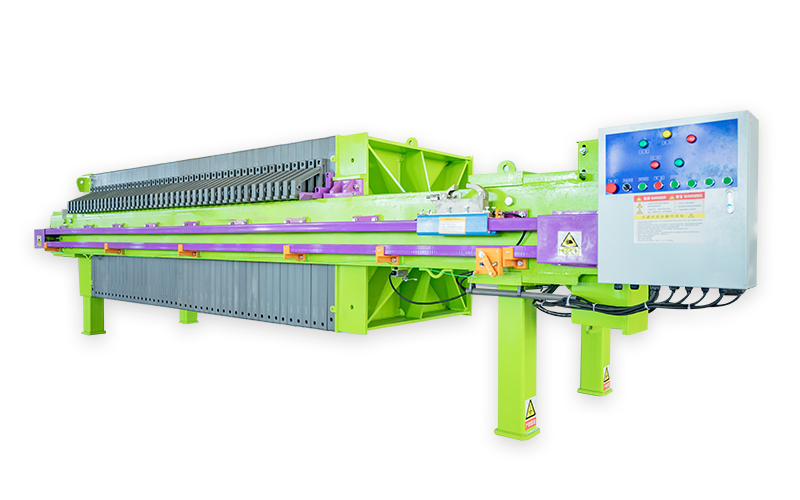
A filter press is a piece of equipment used to separate solids from liquids in various industrial processes. The basic principle involves pumping a slurry into the press, where it is enclosed between filter plates. As pressure is applied, the liquid is expelled, leaving behind a solid cake that can be further processed or disposed of.
How Does a 1250 Filter Press Work?
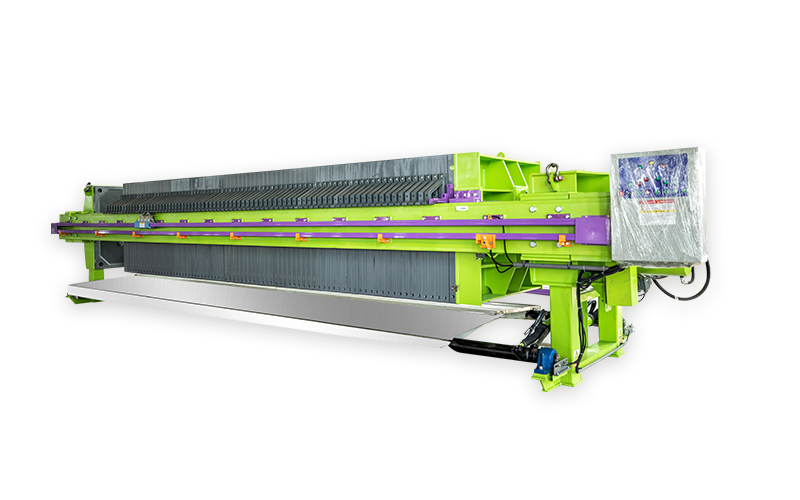
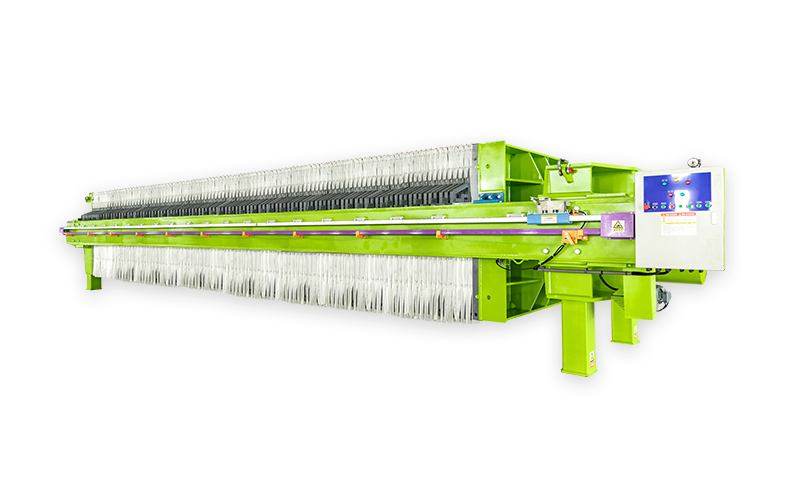
The **1250 filter press** operates on a straightforward yet effective mechanism. The machine consists of numerous filter plates arranged in a frame. Slurry is introduced into the press, where it is filtered through the cloth covering the filter plates. The pressure forces the liquid to escape, while the solids remain trapped, forming a compact cake. This process is repeatedly cycled, maximizing the efficiency of liquid separation.
Key Benefits of Using a 1250 Filter Press
1. Enhanced Efficiency in Waste Treatment
The efficiency of the 1250 filter press is one of its most significant advantages. By effectively separating solids from liquids, it reduces the volume of waste needing disposal. This leads to lower transportation costs and minimizes the environmental footprint associated with waste management.
2. Cost Savings on Operational Expenses
Investing in a 1250 filter press can lead to substantial savings on operational costs. This machine’s ability to process large volumes of slurry effectively means less downtime and reduced labor costs. Furthermore, the efficient separation process minimizes the need for costly downstream processing.
3. Low Maintenance and Long Lifespan
Durability is a hallmark of the 1250 filter press. Constructed with high-quality materials, it requires minimal maintenance, translating to lower long-term costs. Routine checks and occasional component replacements ensure that it remains operational for years, providing a solid return on investment.
4. Versatility Across Industries
The versatility of the 1250 filter press makes it suitable for various industrial applications, from mining and mineral processing to food and beverage industries. Its adaptability ensures that businesses can utilize the same equipment across different waste streams, enhancing cost-effectiveness.
Assessing the Initial Investment and Long-Term Savings
1. Initial Costs of a 1250 Filter Press
When evaluating the cost-effectiveness of a 1250 filter press, it is essential to consider the initial investment. The price can vary based on the manufacturer, specific features, and customization options. However, viewing this as a long-term investment rather than a short-term expense is crucial.
2. Analyzing Operational Cost Factors
Operational costs include energy consumption, labor, and maintenance. A well-designed 1250 filter press operates efficiently, utilizing less energy while maintaining high throughput. Additionally, the reduction in labor needs due to automation aspects further decreases operational costs.
3. Calculating Cost Savings Over Time
Over time, businesses using a 1250 filter press can save significantly compared to traditional waste treatment methods. These savings can be attributed to reduced disposal fees, lower energy consumption, and decreased labor expenses. A detailed cost-benefit analysis can help stakeholders understand the financial advantages.
Environmental Impact of Using a 1250 Filter Press
1. Reducing Waste and Increasing Sustainability
By effectively separating solids from liquids, the 1250 filter press contributes to more sustainable waste management practices. The compact solid cakes produced can often be reused or recycled, significantly reducing landfill dependency.
2. Compliance with Environmental Regulations
Environmental regulations are becoming increasingly stringent. Utilizing a 1250 filter press aids in complying with these regulations by minimizing waste and ensuring cleaner effluent. This proactive approach helps avoid potential fines and enhances corporate responsibility.
Real-World Applications of the 1250 Filter Press
1. Mining and Mineral Processing
In the mining industry, the 1250 filter press is vital for dewatering slurries and recovering valuable minerals. The improved efficiency in waste treatment not only enhances profitability but also reduces the environmental impact of mining operations.
2. Food and Beverage Industry
For food processing, the 1250 filter press ensures that liquid waste is managed efficiently, adhering to safety and health regulations. This application improves product quality and minimizes waste, aligning with the industry's sustainability goals.
3. Chemical Manufacturing
Chemical manufacturers utilize the 1250 filter press to manage hazardous waste effectively. The machine’s ability to handle various slurries ensures compliance with environmental standards while optimizing waste processing.
Frequently Asked Questions (FAQs)
1. What is the lifespan of a 1250 filter press?
A well-maintained 1250 filter press can last anywhere from 10 to 15 years, depending on usage and maintenance practices.
2. What industries benefit from a 1250 filter press?
Industries such as mining, food and beverage, chemical manufacturing, and wastewater treatment significantly benefit from using a 1250 filter press.
3. How does a filter press compare to other dewatering methods?
A filter press is typically more efficient and cost-effective than other methods, such as centrifuges or belt presses, especially in terms of solids capture and liquid clarity.
4. Are there specific maintenance requirements for a 1250 filter press?
Regular inspection of filter plates, cloths, and hydraulic systems is essential. Lubricating moving parts and replacing worn components are also necessary for optimal performance.
5. Can a 1250 filter press handle different types of slurries?
Yes, the 1250 filter press is versatile and can handle various slurries, including those from mining, food processing, and chemical production.
Conclusion
Investing in a **1250 filter press** for waste treatment offers substantial cost savings, enhanced efficiency, and a positive environmental impact. By understanding the operational advantages, maintenance costs, and the long-term benefits of this technology, businesses can make informed decisions that align with both financial and sustainability goals. As industries continue to evolve, the 1250 filter press stands as a reliable solution for effective waste management, proving its worth in the quest for operational excellence.
We sincerely look forward to cooperating with you!
Customized Filtration System Overall Solution
Contact Us
Contact Information
Nan Development Zone, Jingxian County, Hengshui City, Hebei Province
Online Consultation
If you are interested in our products, please leave your email address, and we will contact you as soon as possible. Thank you!