

Maximizing Efficiency: The Role of 1000 Chamber Filter Press in Electroplating Waste Treatment
Jun 27,2026


In the industrial equipment sector, especially in filtration technology, a 1000 chamber filter press for electroplating waste plays a pivotal role in managing the challenges associated with wastewater treatment. The electroplating process generates significant volumes of wastewater laden with heavy metals and toxic substances. The use of a 1000 chamber filter press is an effective solution to ensu
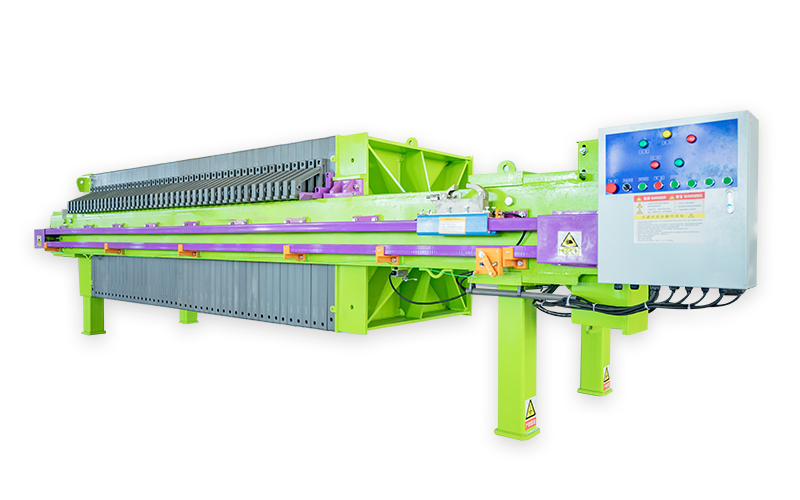
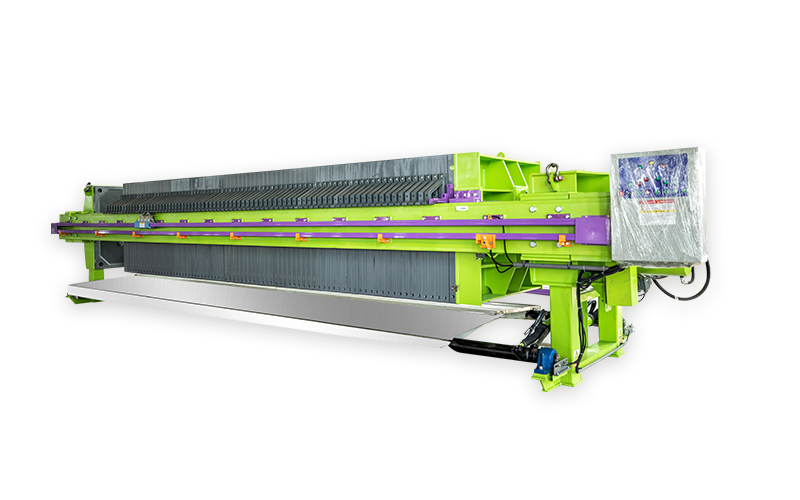
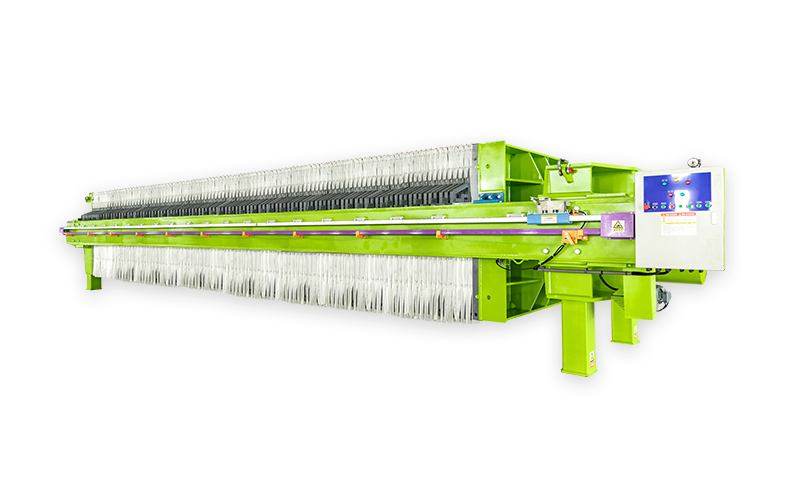
In the industrial equipment sector, especially in filtration technology, a 1000 chamber filter press for electroplating waste plays a pivotal role in managing the challenges associated with wastewater treatment. The electroplating process generates significant volumes of wastewater laden with heavy metals and toxic substances. The use of a 1000 chamber filter press is an effective solution to ensure that these pollutants are processed efficiently, thus safeguarding both the environment and compliance with regulatory standards.
The 1000 chamber filter press operates on a straightforward principle: it uses pressure to separate solids from liquids. In the context of electroplating waste, this means that the press can significantly reduce the volume of sludge produced. This reduction is crucial as it minimizes disposal costs and space requirements. Each chamber within the filter press is designed to hold a specific amount of material, and the design allows for continuous operation, increasing overall productivity and efficiency.
One of the primary advantages of using a 1000 chamber filter press is its ability to handle a wide range of sludge types, particularly those generated from electroplating processes. The use of advanced filter cloths allows for enhanced filtration capabilities, ensuring that even the smallest particles are effectively captured. This level of filtration is essential for electroplating waste, which may contain various heavy metals such as chromium, nickel, and cadmium. By removing these contaminants, the filter press not only helps in complying with environmental regulations but also facilitates the recovery of valuable metals, leading to a more sustainable operation.
Moreover, the design of a 1000 chamber filter press allows it to be easily integrated into existing wastewater treatment systems. Its modular approach means that it can be scaled to meet the varying demands of industrial applications. This adaptability makes it an excellent choice for companies seeking to upgrade their filtration processes without significant overhauls to their operations.
Additionally, maintenance and operational efficiency are significant factors to consider. The 1000 chamber filter press is designed for easy cleaning and maintenance, which can lead to reduced downtime and lower operating costs. Regular maintenance practices will ensure the longevity of the equipment and optimal performance, making it a smart investment for any facility handling electroplating waste.
In conclusion, the 1000 chamber filter press represents a critical investment for industries engaged in electroplating. Its ability to efficiently manage waste while ensuring compliance with environmental standards makes it an indispensable tool in modern wastewater management. For businesses aiming to enhance their sustainability practices, the integration of a 1000 chamber filter press into their operations is a forward-thinking solution that yields both economic and ecological benefits.
The 1000 chamber filter press operates on a straightforward principle: it uses pressure to separate solids from liquids. In the context of electroplating waste, this means that the press can significantly reduce the volume of sludge produced. This reduction is crucial as it minimizes disposal costs and space requirements. Each chamber within the filter press is designed to hold a specific amount of material, and the design allows for continuous operation, increasing overall productivity and efficiency.
One of the primary advantages of using a 1000 chamber filter press is its ability to handle a wide range of sludge types, particularly those generated from electroplating processes. The use of advanced filter cloths allows for enhanced filtration capabilities, ensuring that even the smallest particles are effectively captured. This level of filtration is essential for electroplating waste, which may contain various heavy metals such as chromium, nickel, and cadmium. By removing these contaminants, the filter press not only helps in complying with environmental regulations but also facilitates the recovery of valuable metals, leading to a more sustainable operation.
Moreover, the design of a 1000 chamber filter press allows it to be easily integrated into existing wastewater treatment systems. Its modular approach means that it can be scaled to meet the varying demands of industrial applications. This adaptability makes it an excellent choice for companies seeking to upgrade their filtration processes without significant overhauls to their operations.
Additionally, maintenance and operational efficiency are significant factors to consider. The 1000 chamber filter press is designed for easy cleaning and maintenance, which can lead to reduced downtime and lower operating costs. Regular maintenance practices will ensure the longevity of the equipment and optimal performance, making it a smart investment for any facility handling electroplating waste.
In conclusion, the 1000 chamber filter press represents a critical investment for industries engaged in electroplating. Its ability to efficiently manage waste while ensuring compliance with environmental standards makes it an indispensable tool in modern wastewater management. For businesses aiming to enhance their sustainability practices, the integration of a 1000 chamber filter press into their operations is a forward-thinking solution that yields both economic and ecological benefits.
Previous:
We sincerely look forward to cooperating with you!
Customized Filtration System Overall Solution
Contact Us
Contact Information
Nan Development Zone, Jingxian County, Hengshui City, Hebei Province
Online Consultation
If you are interested in our products, please leave your email address, and we will contact you as soon as possible. Thank you!