

Understanding the Working Mechanism of the 800 Chamber Filter Press: A Comprehensive Guide
Jun 26,2026


Understanding the Working Mechanism of the 800 Chamber Filter Press: A Comprehensive Guide
Table of Contents
1. Introduction to the 800 Chamber Filter Press
2. Working Principle of the 800 Chamber Filter Press
3. Key Components of the 800 Chamber Filter Press
4. Benefits of Using an 800 Chamber Filter Press
5. Applications of the 800 Chamber Filter Press
6. Maintenance Tips for Optima
Understanding the Working Mechanism of the 800 Chamber Filter Press: A Comprehensive Guide
Table of Contents
- 1. Introduction to the 800 Chamber Filter Press
- 2. Working Principle of the 800 Chamber Filter Press
- 3. Key Components of the 800 Chamber Filter Press
- 4. Benefits of Using an 800 Chamber Filter Press
- 5. Applications of the 800 Chamber Filter Press
- 6. Maintenance Tips for Optimal Performance
- 7. Troubleshooting Common Issues
- 8. Conclusion
- 9. Frequently Asked Questions
1. Introduction to the 800 Chamber Filter Press
The **800 Chamber Filter Press** is a pivotal tool in various industrial sectors, renowned for its efficiency in separating solids from liquids. Understanding its working mechanism is crucial for optimizing filtration processes and enhancing productivity in applications such as wastewater treatment, food processing, and chemical manufacturing. This guide delves into the fundamental aspects of the 800 Chamber Filter Press, providing a detailed overview of its operation and advantages.
2. Working Principle of the 800 Chamber Filter Press
At its core, the **working principle** of the 800 Chamber Filter Press revolves around the process of **filtration** through pressure. The system operates by applying hydraulic pressure to the feed slurry, which is introduced into the filter chambers. The chamber consists of filter plates and a membrane that allows liquid to pass while trapping solid particles.
**Filtration Cycle**:
- The process begins with the **inlet valve** opening, allowing the slurry to flow into the filter chambers.
- As the chambers fill, the filter cloths trap solids, forming a cake.
- Once the desired cake thickness is achieved, the inlet valve closes, and hydraulic pressure is applied to enhance solid-liquid separation.
**Cake Formation**: This phase is critical as the solid particles accumulate, creating a filter cake that is subsequently subjected to high pressure, enhancing the dewatering process.
The Stages of Operation
The operation of the 800 Chamber Filter Press can be divided into several distinct stages:
2.1. Filling Phase
During this initial phase, the slurry is pumped into the filter chambers under low pressure. The solids begin to accumulate against the filter cloth, gradually forming a cake.
2.2. Filtration Phase
As the chambers are filled, filtration occurs. Here, the pressure ensures that the liquid escapes through the filter media, leaving the solids behind.
2.3. Cake Washing Phase
In many applications, the cake may undergo washing to remove impurities. This phase involves introducing wash liquid into the chambers to cleanse the solids, ensuring a higher quality end product.
2.4. Cake Discharge Phase
Once filtration and washing are complete, the cake is discharged. The system automatically opens the chambers, allowing the dried solids to fall free.
3. Key Components of the 800 Chamber Filter Press
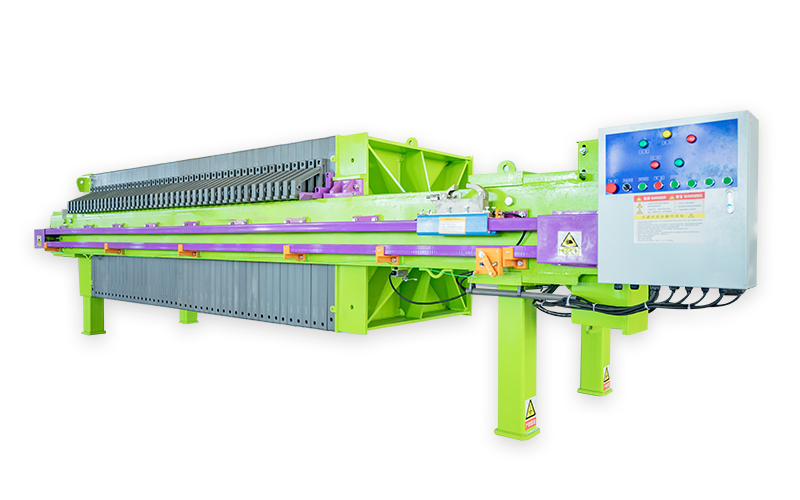
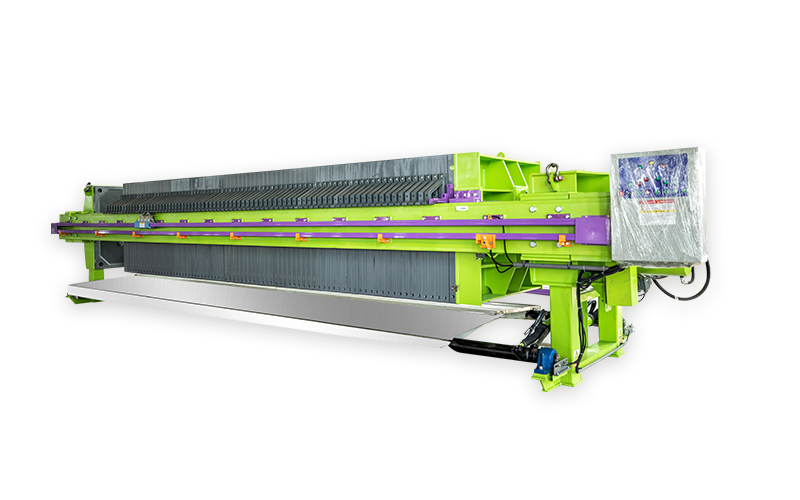
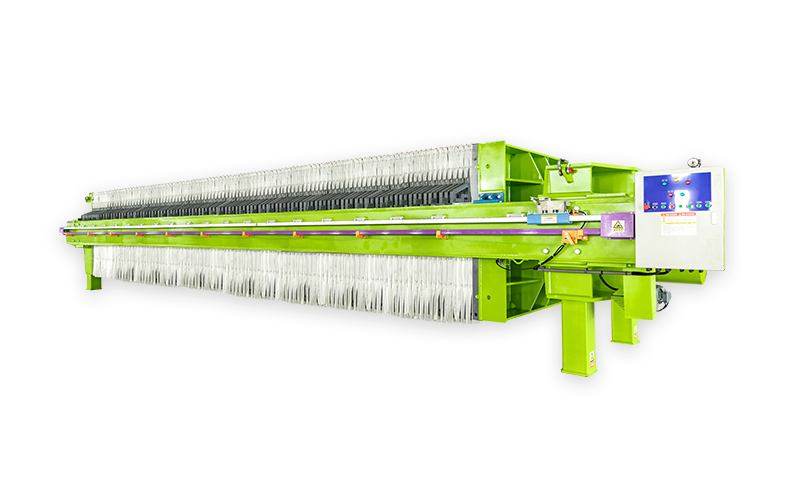
Understanding the essential components of the 800 Chamber Filter Press is crucial for appreciating its functionality. Key components include:
3.1. Filter Plates
These plates form the structure of the chambers, supporting the filter cloth and ensuring efficient solid-liquid separation.
3.2. Filter Cloths
Made from various materials, filter cloths are essential for capturing solid particles while allowing liquids to pass through. Their durability and pore size significantly affect filtration efficiency.
3.3. Hydraulic System
The hydraulic system controls the pressure during operation. It is vital for adjusting the force applied to the filter cake, influencing the dewatering efficiency.
3.4. Frame and Structure
The frame holds the filter plates and provides stability during operation. A robust design is crucial for withstanding high pressures during the filtration process.
3.5. Control System
Modern filter presses come equipped with automated control systems that enhance operational efficiency, allowing for precise monitoring and adjustment of the filtration process.
4. Benefits of Using an 800 Chamber Filter Press
The 800 Chamber Filter Press offers numerous advantages, making it an ideal choice for various industrial applications:
4.1. High Filtration Efficiency
The design of the filter press maximizes the surface area for filtration, resulting in high efficiency and reduced operational time.
4.2. Versatility
This equipment can handle a wide range of slurries from different industries, including mining, pharmaceuticals, and food processing.
4.3. Cost-Effectiveness
By optimizing the filtration process, the 800 Chamber Filter Press reduces waste and increases yield, providing significant cost savings in the long run.
4.4. Enhanced Solid Recovery
The press ensures that a maximum amount of solid material is recovered, facilitating better resource utilization.
4.5. Easy Maintenance
With fewer moving parts compared to other filtration systems, the 800 Chamber Filter Press requires minimal maintenance, leading to reduced downtime.
5. Applications of the 800 Chamber Filter Press
The versatility of the 800 Chamber Filter Press allows it to be utilized across various industries, including:
5.1. Wastewater Treatment
In wastewater management, the filter press efficiently separates solids from liquids, ensuring compliance with environmental regulations.
5.2. Food and Beverage Industry
The filter press is used for clarifying juices and wines, ensuring that the final products maintain high quality and purity.
5.3. Chemical Manufacturing
In chemical processes, the 800 Chamber Filter Press helps in the recovery of valuable materials while minimizing waste.
5.4. Mining and Mineral Processing
In mining, it is essential for dewatering tailings and recovering valuable minerals from slurries.
5.5. Pharmaceutical Sector
The filter press aids in the separation of solid pharmaceuticals from liquids, ensuring high standards of hygiene and quality.
6. Maintenance Tips for Optimal Performance
While the 800 Chamber Filter Press is designed for durability, regular maintenance is crucial for optimal performance:
6.1. Routine Inspection
Regularly inspect filter plates and cloths for wear and tear. Replacing worn components can prevent operational issues.
6.2. Cleaning Procedures
Establish a cleaning schedule to remove any residual materials, especially after processing slurries that may leave deposits.
6.3. Hydraulic System Checks
Monitor the hydraulic system for leaks and ensure that fluid levels are maintained for optimal pressure.
6.4. Calibration of Controls
Periodic calibration of the control system ensures that the equipment operates within the desired parameters.
6.5. Documentation of Performance
Keeping a log of maintenance activities and performance metrics helps identify trends and preemptively address potential issues.
7. Troubleshooting Common Issues
Even the best systems can encounter problems. Here are some common issues and their solutions:
7.1. Low Filtration Rate
If the filtration rate decreases, check for clogging in the filter cloths or plate alignment. Cleaning or replacing the filter media may be necessary.
7.2. Incomplete Cake Removal
If the cake is not discharging completely, inspect the hydraulic system for proper pressure and ensure that there are no blockages in the discharge channels.
7.3. Excessive Wear on Filter Cloths
If filter cloths wear out rapidly, examine the slurry composition for abrasive materials and consider using more robust cloth options.
7.4. Hydraulic Failures
In case of hydraulic system failures, check for fluid leaks, ensure that pumps are functioning correctly, and verify that seals are intact.
7.5. Unusual Noises during Operation
Unusual noises may indicate mechanical issues. Inspect the frame and other components for damage or misalignment.
8. Conclusion
The **800 Chamber Filter Press** is an invaluable asset in various industries, providing efficient solutions for solid-liquid separation. Understanding its working mechanism, components, benefits, and applications is essential for maximizing its potential. By adhering to maintenance best practices and being aware of common troubleshooting techniques, organizations can ensure that their filter press operates at peak performance, ultimately leading to enhanced productivity and cost savings.
9. Frequently Asked Questions
9.1. What is the primary function of an 800 Chamber Filter Press?
The main function of the 800 Chamber Filter Press is to separate solids from liquids through pressure filtration, making it ideal for various industrial applications.
9.2. How often should I perform maintenance on my filter press?
Regular maintenance should be conducted according to the manufacturer’s guidelines, typically involving both routine inspections and cleaning after each use.
9.3. Can the 800 Chamber Filter Press handle all types of slurries?
While it is versatile, the suitability of the filter press for specific slurries depends on the nature of the solids and chemicals involved. It’s important to consult with the manufacturer regarding compatibility.
9.4. What are the energy requirements for an 800 Chamber Filter Press?
Energy requirements can vary based on the system's size and configuration, as well as the characteristics of the slurry being processed. A detailed analysis should be conducted for precise energy consumption metrics.
9.5. What materials are filter cloths made from?
Filter cloths can be made from various materials, including polypropylene, polyester, and nylon, depending on the application and required filtration specifications.
This exhaustive overview of the 800 Chamber Filter Press aims to provide you with the necessary insights to optimize your operations and leverage this essential industrial equipment effectively.
Previous:
We sincerely look forward to cooperating with you!
Customized Filtration System Overall Solution
Contact Us
Contact Information
Nan Development Zone, Jingxian County, Hengshui City, Hebei Province
Online Consultation
If you are interested in our products, please leave your email address, and we will contact you as soon as possible. Thank you!