

Maximizing Efficiency in Sludge Dewatering: The Role of a 1500 Filter Press
Oct 15,2026


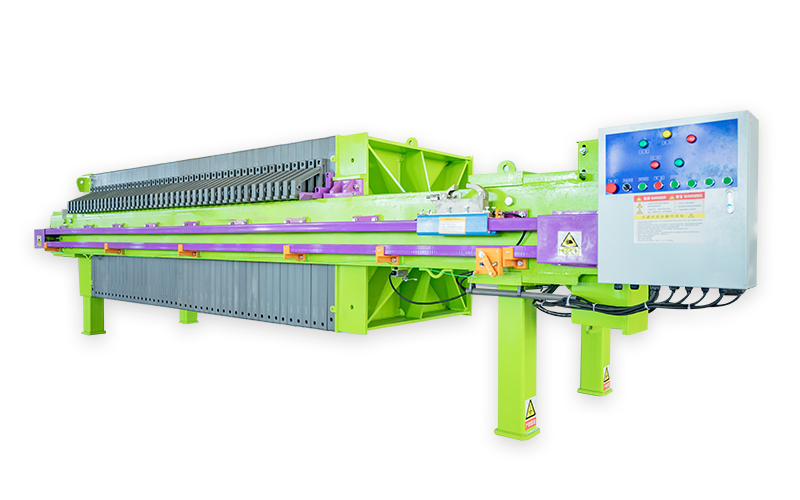
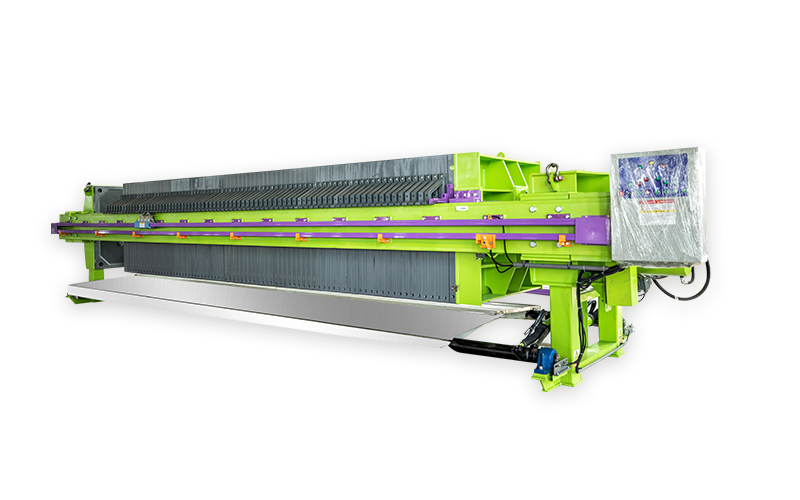
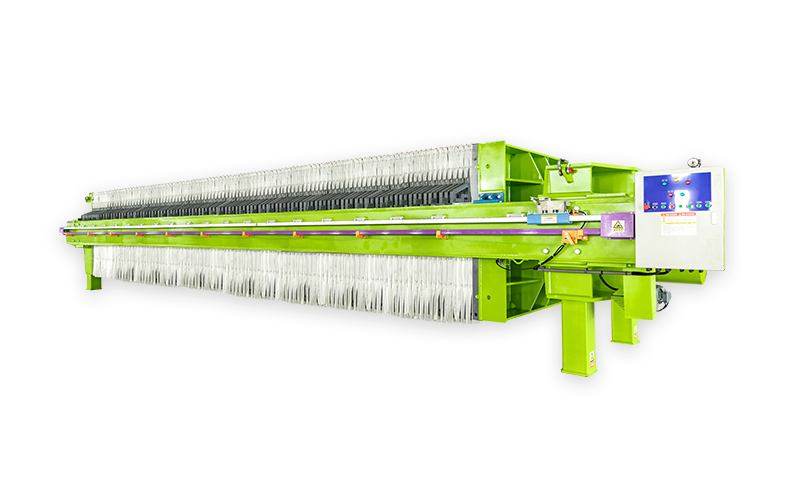
In the realm of industrial equipment, particularly in the realm of filtration devices and filter presses, the 1500 filter press for sludge dewatering stands out as a pivotal solution for managing waste effectively. Sludge dewatering is essential in industries such as wastewater treatment, food processing, and mining, where managing liquid waste is crucial for environmental compliance and operation
In the realm of industrial equipment, particularly in the realm of filtration devices and filter presses, the 1500 filter press for sludge dewatering stands out as a pivotal solution for managing waste effectively. Sludge dewatering is essential in industries such as wastewater treatment, food processing, and mining, where managing liquid waste is crucial for environmental compliance and operational sustainability.
A 1500 filter press operates on a straightforward yet efficient principle. It uses pressure to separate solids from liquids, resulting in a dry cake of sludge and a clear filtrate. This separation not only optimizes the handling of sludge but also reduces the volume of waste that requires disposal. For industries facing stringent regulations regarding waste management, the installation of a 1500 filter press can be a game changer, ensuring compliance while also cutting down on disposal costs.
One of the key benefits of a 1500 filter press in sludge dewatering is its ability to adapt to varying sludge characteristics. Different industries produce sludge with different properties—some may be high in solids while others might be more liquid. A well-designed filter press can handle this variability effectively, ensuring consistent performance regardless of the input material. This adaptability makes it a valuable asset for businesses that process a diverse range of materials.
Furthermore, the operational efficiency of a 1500 filter press can lead to significant cost savings. With reduced energy consumption during the dewatering process and minimal downtime for maintenance, organizations can expect to see a quick return on investment. Coupled with easy automation and monitoring systems, the filter press allows for streamlined operations, which is critical for facilities aiming to maximize productivity.
Maintenance is another critical aspect when considering a 1500 filter press for sludge dewatering. Regular inspections and timely replacement of filter cloths are necessary to maintain optimal performance. Understanding the lifecycle of your equipment, along with implementing a proactive maintenance schedule, can ensure the longevity of the filter press and maintain the quality of the dewatering process.
In conclusion, for industries that deal with sludge and waste management, the 1500 filter press for sludge dewatering offers an innovative solution that enhances efficiency, reduces costs, and ensures compliance. Investing in a high-quality filter press not only addresses current environmental challenges but also positions businesses for future success in an increasingly eco-conscious market. Embracing such technology is not just an operational choice; it is a step towards sustainable industrial practices.
A 1500 filter press operates on a straightforward yet efficient principle. It uses pressure to separate solids from liquids, resulting in a dry cake of sludge and a clear filtrate. This separation not only optimizes the handling of sludge but also reduces the volume of waste that requires disposal. For industries facing stringent regulations regarding waste management, the installation of a 1500 filter press can be a game changer, ensuring compliance while also cutting down on disposal costs.
One of the key benefits of a 1500 filter press in sludge dewatering is its ability to adapt to varying sludge characteristics. Different industries produce sludge with different properties—some may be high in solids while others might be more liquid. A well-designed filter press can handle this variability effectively, ensuring consistent performance regardless of the input material. This adaptability makes it a valuable asset for businesses that process a diverse range of materials.
Furthermore, the operational efficiency of a 1500 filter press can lead to significant cost savings. With reduced energy consumption during the dewatering process and minimal downtime for maintenance, organizations can expect to see a quick return on investment. Coupled with easy automation and monitoring systems, the filter press allows for streamlined operations, which is critical for facilities aiming to maximize productivity.
Maintenance is another critical aspect when considering a 1500 filter press for sludge dewatering. Regular inspections and timely replacement of filter cloths are necessary to maintain optimal performance. Understanding the lifecycle of your equipment, along with implementing a proactive maintenance schedule, can ensure the longevity of the filter press and maintain the quality of the dewatering process.
In conclusion, for industries that deal with sludge and waste management, the 1500 filter press for sludge dewatering offers an innovative solution that enhances efficiency, reduces costs, and ensures compliance. Investing in a high-quality filter press not only addresses current environmental challenges but also positions businesses for future success in an increasingly eco-conscious market. Embracing such technology is not just an operational choice; it is a step towards sustainable industrial practices.
Previous:
We sincerely look forward to cooperating with you!
Customized Filtration System Overall Solution
Contact Us
Contact Information
Nan Development Zone, Jingxian County, Hengshui City, Hebei Province
Online Consultation
If you are interested in our products, please leave your email address, and we will contact you as soon as possible. Thank you!