

The Environmental Impact of Using a 1250 Filter Press: Assessing Sustainability and Efficiency
Oct 12,2026


The Environmental Impact of Using a 1250 Filter Press
Table of Contents
1. Introduction to the 1250 Filter Press
2. Understanding Filter Presses and Their Purpose
3. Design and Functionality of the 1250 Filter Press
4. Environmental Benefits of Utilizing a 1250 Filter Press
5. Sustainability and Energy Efficiency of the 1250 Filter Press
6. Potential Environmental Drawback
The Environmental Impact of Using a 1250 Filter Press
Table of Contents
- 1. Introduction to the 1250 Filter Press
- 2. Understanding Filter Presses and Their Purpose
- 3. Design and Functionality of the 1250 Filter Press
- 4. Environmental Benefits of Utilizing a 1250 Filter Press
- 5. Sustainability and Energy Efficiency of the 1250 Filter Press
- 6. Potential Environmental Drawbacks of Using a 1250 Filter Press
- 7. Mitigating Negative Environmental Impacts
- 8. The Future of Filter Press Technology and Environmental Considerations
- 9. Conclusion
- 10. Frequently Asked Questions
1. Introduction to the 1250 Filter Press
The **1250 filter press** is an essential piece of equipment in various industrial applications, especially for those focused on waste management, water treatment, and mineral processing. As industries increasingly prioritize sustainability, understanding the **environmental impact** of such technologies is critical. This article aims to provide a detailed examination of the 1250 filter press's environmental footprint, its benefits, potential drawbacks, and innovative solutions to enhance its sustainability.
2. Understanding Filter Presses and Their Purpose
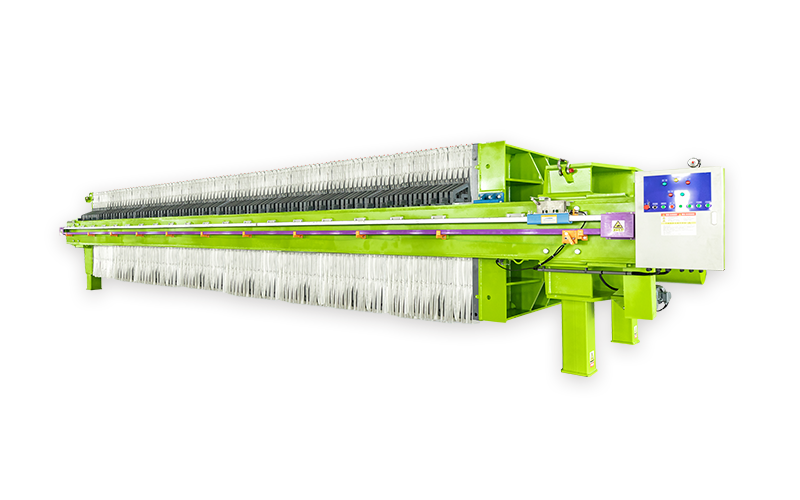
A filter press is a device that separates liquids from solids through pressure filtration. It utilizes a series of filter plates and frames to create a chamber where the mixture is pumped in. As the mixture is subjected to pressure, the liquid is forced out through the filter media, leaving behind a solid cake. This process is vital in various industries, including:
- **Food and Beverage**: Clarifying juices, wine, and oils.
- **Pharmaceuticals**: Separating active ingredients from solvents.
- **Mining and Minerals**: Dewatering slurries.
By effectively managing waste and recovering valuable resources, filter presses contribute to more sustainable industrial practices.
3. Design and Functionality of the 1250 Filter Press
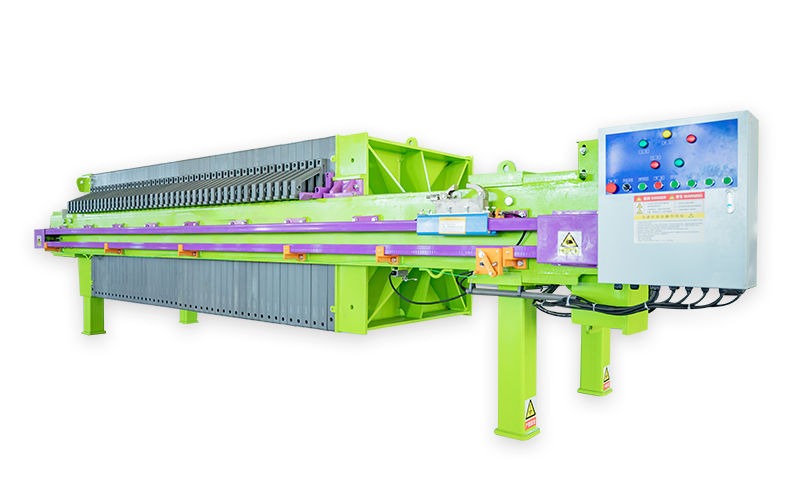
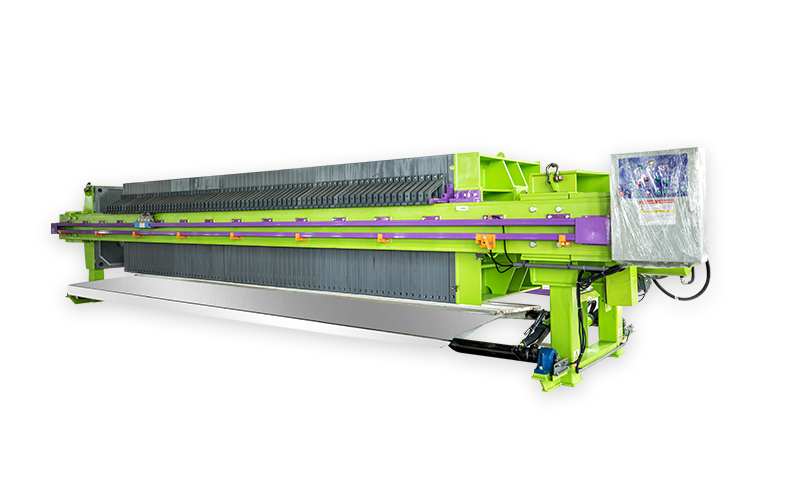
The 1250 filter press features robust construction designed to withstand high pressures and corrosive materials. Its design typically includes:
- **Filter Plates**: Made from durable materials such as polypropylene or stainless steel.
- **Hydraulic System**: Provides the necessary pressure to compact the solids and enhance filtration efficiency.
- **Cake Release Mechanism**: Ensures easy removal of the solid cake, optimizing operational efficiency.
The functionality of the 1250 filter press revolves around its ability to handle large volumes of material, making it a preferred choice in high-output environments.
4. Environmental Benefits of Utilizing a 1250 Filter Press
The operational advantages of the 1250 filter press translate into numerous **environmental benefits**:
1. **Waste Reduction**: By efficiently separating solids from liquids, filter presses significantly decrease the volume of waste sent to landfills. This not only conserves space but also minimizes the environmental impact of waste disposal.
2. **Resource Recovery**: The solid cake produced can often be reused in various applications, such as construction materials or fertilizers, promoting a circular economy.
3. **Water Conservation**: The filtration process helps recover clean water, reducing the demand for fresh water resources. This is especially crucial in regions facing water scarcity.
4. **Energy Efficiency**: Modern 1250 filter presses are designed to operate efficiently, minimizing energy consumption during the filtration process.
5. Sustainability and Energy Efficiency of the 1250 Filter Press
Sustainability in industrial processes is paramount, and the 1250 filter press aligns with this goal. Its design emphasizes **energy efficiency** through:
- **Optimized Hydraulic Systems**: These systems reduce energy consumption by requiring less power to achieve the necessary pressures.
- **Modular Designs**: Allow for scalability, enabling businesses to adapt to varying demands without over-investing in excess capacity.
Moreover, the materials used in constructing the filter press are often chosen for their **recyclability**, further enhancing its sustainability profile.
6. Potential Environmental Drawbacks of Using a 1250 Filter Press
While the 1250 filter press offers numerous benefits, it also has potential **environmental drawbacks** that must be considered:
1. **Chemical Usage**: Some applications may require chemicals for optimal performance, which can pose risks if not managed correctly.
2. **Energy Use**: Although designed for efficiency, the energy requirements can still contribute to greenhouse gas emissions, especially if sourced from non-renewable energy.
3. **Maintenance and Disposal**: Proper maintenance is essential to ensure the longevity of the equipment and to mitigate any environmental risks associated with wear and tear.
4. **Residual Waste**: The solid cake, while reusable, may still contain contaminants, necessitating careful disposal or treatment.
7. Mitigating Negative Environmental Impacts
To maximize the benefits of the 1250 filter press while minimizing its drawbacks, industries can implement several strategies:
- **Regular Maintenance**: Ensuring that the filter press operates at peak efficiency can reduce energy consumption and waste generation.
- **Eco-Friendly Chemicals**: Utilizing biodegradable or less harmful chemicals in the filtration process can alleviate environmental concerns.
- **Energy Audits**: Conducting energy assessments can identify opportunities for improving energy efficiency and reducing emissions.
- **Training and Awareness**: Educating staff on best practices for operating and maintaining the filter press can lead to more sustainable practices.
8. The Future of Filter Press Technology and Environmental Considerations
The future of filter press technology is poised for innovation, particularly in enhancing **sustainability** and reducing environmental impacts. Key trends include:
- **Smart Filtration Systems**: Incorporating IoT technology to monitor performance and optimize operations in real-time.
- **Advanced Materials**: Developing new filter media that improve efficiency and reduce waste.
- **Integration with Renewable Energy**: Exploring options to power filter presses with renewable energy sources, thus minimizing carbon footprints.
These advancements will not only enhance the effectiveness of the 1250 filter press but also align it more closely with global sustainability goals.
9. Conclusion
The **1250 filter press** stands out as a crucial tool in modern industries, particularly in its capacity to manage waste and recover resources. While it offers significant environmental benefits, it is essential to remain aware of its potential drawbacks and actively work towards mitigating them. By embracing innovative technologies and sustainable practices, industries can continue to leverage the advantages of the 1250 filter press while contributing positively to environmental conservation.
10. Frequently Asked Questions
1. How does a filter press work?
A filter press works by pumping a slurry into a chamber formed by filter plates. The liquid is forced out through the filter media, leaving behind a solid cake.
2. What are the primary applications of a 1250 filter press?
It is commonly used in industries such as food and beverage, pharmaceuticals, mining, and wastewater treatment.
3. What are the environmental benefits of using a 1250 filter press?
Key benefits include waste reduction, resource recovery, water conservation, and energy efficiency.
4. Can a filter press have negative environmental impacts?
Yes, potential drawbacks include chemical usage, energy consumption, maintenance issues, and residual waste management challenges.
5. How can industries mitigate the environmental impacts of using a filter press?
Industries can implement strategies such as regular maintenance, using eco-friendly chemicals, conducting energy audits, and staff training on best practices.
We sincerely look forward to cooperating with you!
Customized Filtration System Overall Solution
Contact Us
Contact Information
Nan Development Zone, Jingxian County, Hengshui City, Hebei Province
Online Consultation
If you are interested in our products, please leave your email address, and we will contact you as soon as possible. Thank you!