

Optimizing Waste Management: The Role of 1000 Chamber Filter Press in Electroplating Industries
Aug 26,2026


In the electroplating industry, managing waste effectively is crucial not only for compliance with environmental regulations but also for maximizing resource recovery and minimizing operational costs. The 1000 chamber filter press has emerged as an efficient technology to tackle these challenges. This type of filter press is designed to handle a varying range of solids and liquids, making it highl
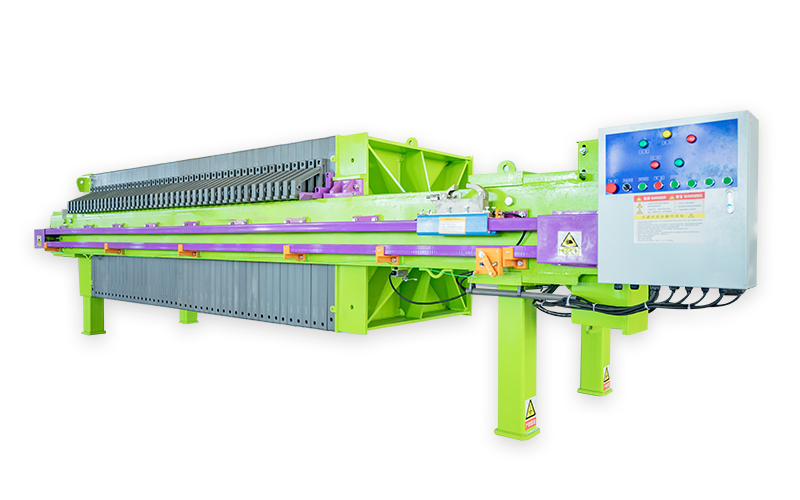
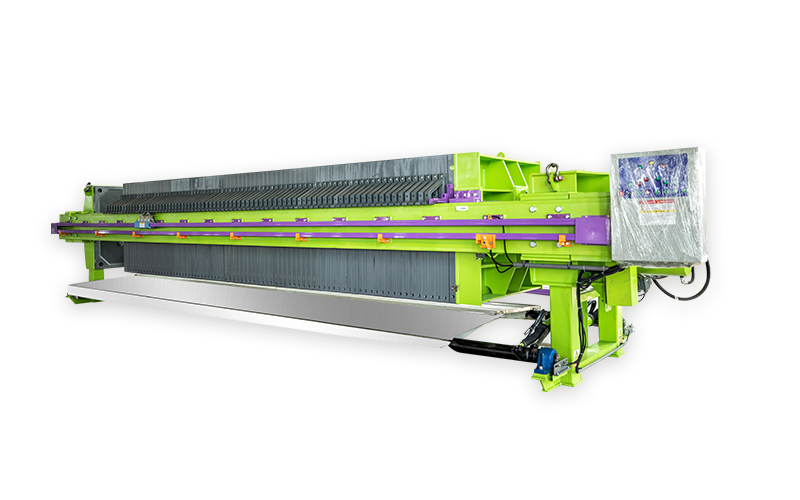
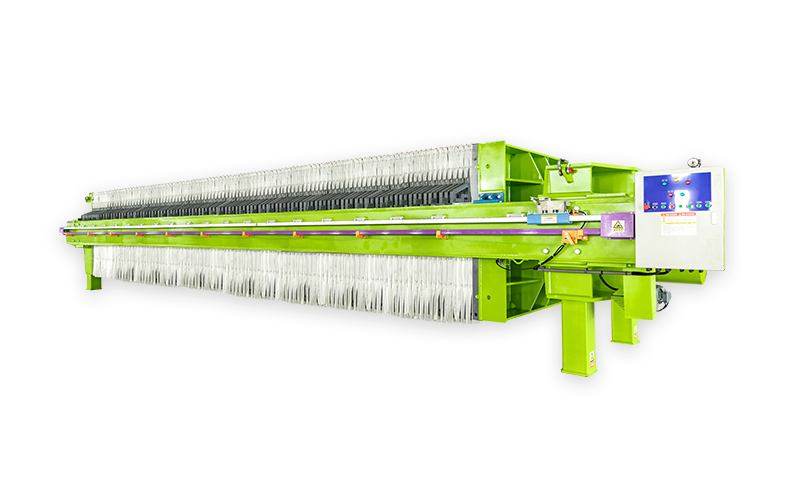
In the electroplating industry, managing waste effectively is crucial not only for compliance with environmental regulations but also for maximizing resource recovery and minimizing operational costs. The 1000 chamber filter press has emerged as an efficient technology to tackle these challenges. This type of filter press is designed to handle a varying range of solids and liquids, making it highly suitable for the unique demands of electroplating waste management.
One of the primary advantages of the 1000 chamber filter press is its ability to produce high-quality, dry cakes from slurries. This is particularly beneficial in electroplating operations where the waste typically consists of metal hydroxides, sludge, and other contaminants. The press operates by utilizing the principles of mechanical separation and pressure filtration, which allows for the efficient removal of water and soluble impurities from waste streams. As a result, the dry cake can often be repurposed or disposed of more economically and sustainably.
Moreover, the 1000 chamber design enables a larger volume of waste to be processed simultaneously, significantly enhancing throughput. This is crucial for electroplating facilities that generate substantial waste volumes. The increased capacity not only improves efficiency but also reduces the time required for the filtration process, allowing for faster turnaround and operations.
The construction of a 1000 chamber filter press typically incorporates robust materials that can withstand the highly corrosive nature of electroplating waste. This durability ensures a longer operational lifespan and reduces maintenance requirements. Additionally, the automation features available in modern filter presses improve ease of use and precision in operation, further streamlining the waste treatment process.
Another key feature of the 1000 chamber filter press is its adaptability. It can be equipped with various types of filter media tailored to the specific characteristics of the waste being processed. This flexibility allows for optimized filtration performance, leading to better separation of solids from liquids and enhanced recovery of valuable metals.
For professionals in the electroplating industry, investing in a 1000 chamber filter press represents a strategic move toward sustainable waste management. By improving the efficiency of waste treatment processes, companies can not only ensure regulatory compliance but also contribute to environmental conservation efforts.
In conclusion, the 1000 chamber filter press serves as a vital tool in managing electroplating waste effectively. Its capacity for high throughput, durability, and adaptability make it an essential investment for industries aiming to enhance their waste management strategies while promoting sustainability. Embracing this technology can lead to significant operational benefits and a reduced environmental footprint in the long run.
One of the primary advantages of the 1000 chamber filter press is its ability to produce high-quality, dry cakes from slurries. This is particularly beneficial in electroplating operations where the waste typically consists of metal hydroxides, sludge, and other contaminants. The press operates by utilizing the principles of mechanical separation and pressure filtration, which allows for the efficient removal of water and soluble impurities from waste streams. As a result, the dry cake can often be repurposed or disposed of more economically and sustainably.
Moreover, the 1000 chamber design enables a larger volume of waste to be processed simultaneously, significantly enhancing throughput. This is crucial for electroplating facilities that generate substantial waste volumes. The increased capacity not only improves efficiency but also reduces the time required for the filtration process, allowing for faster turnaround and operations.
The construction of a 1000 chamber filter press typically incorporates robust materials that can withstand the highly corrosive nature of electroplating waste. This durability ensures a longer operational lifespan and reduces maintenance requirements. Additionally, the automation features available in modern filter presses improve ease of use and precision in operation, further streamlining the waste treatment process.
Another key feature of the 1000 chamber filter press is its adaptability. It can be equipped with various types of filter media tailored to the specific characteristics of the waste being processed. This flexibility allows for optimized filtration performance, leading to better separation of solids from liquids and enhanced recovery of valuable metals.
For professionals in the electroplating industry, investing in a 1000 chamber filter press represents a strategic move toward sustainable waste management. By improving the efficiency of waste treatment processes, companies can not only ensure regulatory compliance but also contribute to environmental conservation efforts.
In conclusion, the 1000 chamber filter press serves as a vital tool in managing electroplating waste effectively. Its capacity for high throughput, durability, and adaptability make it an essential investment for industries aiming to enhance their waste management strategies while promoting sustainability. Embracing this technology can lead to significant operational benefits and a reduced environmental footprint in the long run.
We sincerely look forward to cooperating with you!
Customized Filtration System Overall Solution
Contact Us
Contact Information
Nan Development Zone, Jingxian County, Hengshui City, Hebei Province
Online Consultation
If you are interested in our products, please leave your email address, and we will contact you as soon as possible. Thank you!