

Pitfalls to Avoid with the 800 Chamber Filter Press in Wastewater Applications
Aug 25,2026


Pitfalls to Avoid with the 800 Chamber Filter Press in Wastewater Applications
Introduction to the 800 Chamber Filter Press in Wastewater Treatment
The 800 chamber filter press plays a critical role in wastewater filtration processes. It is designed to separate solids from liquids, effectively reducing waste volume and enabling compliance with environmental regulations. However, while its design o
Pitfalls to Avoid with the 800 Chamber Filter Press in Wastewater Applications
Introduction to the 800 Chamber Filter Press in Wastewater Treatment
The 800 chamber filter press plays a critical role in wastewater filtration processes. It is designed to separate solids from liquids, effectively reducing waste volume and enabling compliance with environmental regulations. However, while its design offers many advantages, several pitfalls can hinder the effectiveness of its operation. Understanding these challenges is essential for optimizing its use and ensuring successful wastewater management.
Understanding the Functionality of the 800 Chamber Filter Press
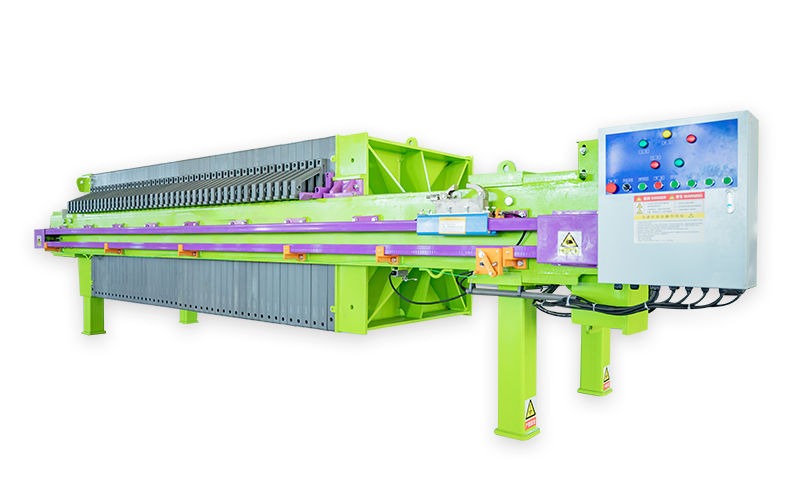
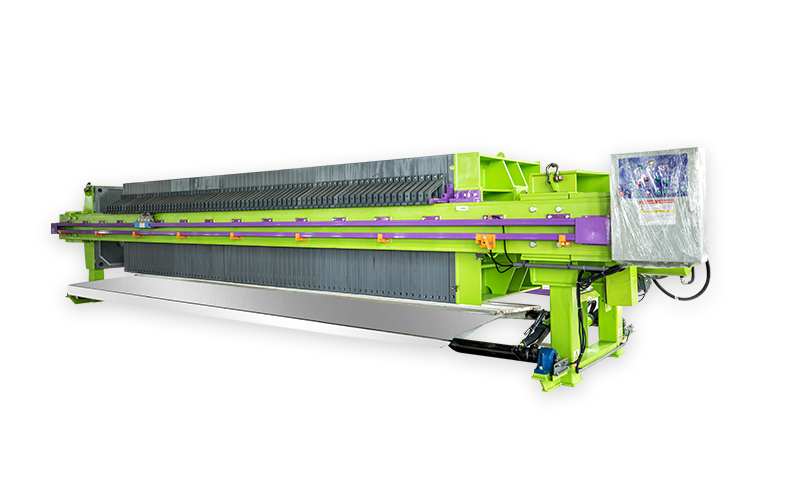
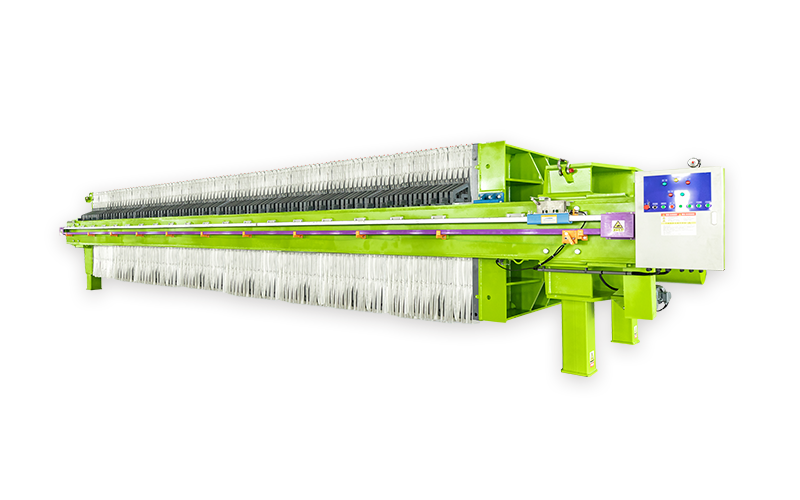
The 800 chamber filter press consists of numerous filter plates that create chambers for filtration. During operation, slurry is pumped into these chambers, where it is subjected to high pressure, allowing the liquid to pass through the filter media while retaining the solid particles. This method is not only efficient but also economical, making it a popular choice in various wastewater applications.
Key Components of the 800 Chamber Filter Press
To appreciate the potential pitfalls, it's important to understand the key components that make up the 800 chamber filter press:
1. **Filter Plates**: The heart of the filter press, these plates hold the filter cloth that separates solids from liquids.
2. **Filter Cloth**: This material captures the solids while allowing the liquid to flow through.
3. **Hydraulic System**: Essential for applying the pressure needed to compress the filter cake and facilitate liquid flow.
4. **Cake Discharge System**: This mechanism helps in removing the accumulated solids once the filtration process is complete.
Common Pitfalls with the 800 Chamber Filter Press
Despite its engineered efficiency, several pitfalls can impede the performance of the 800 chamber filter press. Here we delve into the most prevalent issues and how to avoid them.
Pitfall 1: Inadequate Pre-Processing of Slurry
The quality of the slurry fed into the filter press significantly affects its performance. **Inadequate pre-processing** can lead to higher moisture content in the filter cake, resulting in inefficient separation. To combat this, ensure the slurry is properly conditioned by:
- **Using coagulants or flocculants** to enhance solids settling.
- **Monitoring particle size** to ensure it falls within the optimal range for filtration.
Pitfall 2: Neglecting Routine Maintenance
Like any industrial equipment, the 800 chamber filter press requires **regular maintenance** to operate efficiently. Neglecting maintenance can lead to breakdowns and reduced performance. Establish a maintenance schedule that includes:
- **Regular inspection of filter plates and cloths** for wear and tear.
- **Checking hydraulic systems** for leaks or pressure inconsistencies.
- **Cleaning the system** to prevent clogging and buildup of solids.
Pitfall 3: Overlooking Proper Operational Parameters
Operating the filter press outside of specified parameters can lead to suboptimal performance and increased wear. It is crucial to pay attention to:
- **Pressure settings**: Maintaining recommended pressure levels ensures effective filtration.
- **Cycle time**: Too short or too long cycle times can affect the quality of the filter cake.
Best Practices for Maximizing the Efficiency of the 800 Chamber Filter Press
To avoid common pitfalls and enhance the performance of the 800 chamber filter press, adhere to the following best practices.
1. Optimize Slurry Composition
Before the filtration process begins, carefully analyze the slurry composition. Adjusting the pH and adding appropriate chemicals can significantly improve the efficiency of filtration.
2. Maintain Optimal Pressure Settings
Regularly monitor and adjust the pressure settings according to the specific requirements of the application. Proper pressure ensures effective separation and prolongs the life of the filter media.
3. Implement a Comprehensive Maintenance Schedule
Establish a detailed maintenance schedule that includes daily, weekly, and monthly tasks. This should encompass cleaning, inspection, and replacement of worn components.
4. Train Staff on Best Practices
Proper training for operators is vital. Ensure that staff understands the operational parameters, maintenance needs, and troubleshooting methods for the 800 chamber filter press.
5. Utilize Advanced Monitoring Systems
Consider incorporating advanced monitoring technologies that can provide real-time data on the filtration process. These systems can help identify potential issues before they escalate.
Understanding the Economic Impacts of Poor Filtration Practices
Neglecting the aforementioned pitfalls not only affects filtration quality but also has broader economic implications. Poor filtration practices can lead to:
- Increased energy consumption due to inefficient operations.
- Higher disposal costs associated with substandard filter cake.
- Potential fines for non-compliance with environmental regulations.
Case Study: Successful Implementation of Best Practices
A recent case study involving a municipal wastewater treatment facility highlights the effectiveness of implementing best practices in operating the 800 chamber filter press. By optimizing slurry composition and maintaining consistent pressure settings, the facility achieved a 30% reduction in energy costs and significantly improved the quality of the filter cake produced.
Challenges in Special Applications of the 800 Chamber Filter Press
Certain applications may present unique challenges when utilizing the 800 chamber filter press. Industries such as mining, food processing, and chemical manufacturing may encounter specific issues that require tailored approaches.
1. Mining Applications
In mining, the presence of fine solids can complicate filtration. Implementing specific pre-treatment processes, such as sedimentation, can improve slurry quality before it reaches the filter press.
2. Food Processing Applications
Food processing often involves organic materials, which may require gentle handling to prevent damage. Adjusting the filtration parameters to accommodate the nature of the materials is crucial.
3. Chemical Manufacturing Applications
Chemical processes can produce highly corrosive slurries. Utilizing corrosion-resistant materials for the filter press can prolong its lifespan while ensuring effective filtration.
Future Trends in Filter Press Technology
As technology continues to advance, the design and functionality of filter presses are evolving. The future may see enhanced automation, improved materials for better durability, and smarter monitoring systems that use AI algorithms to optimize the filtration process.
FAQs About the 800 Chamber Filter Press
1. What is the typical lifespan of an 800 chamber filter press?
The lifespan of an 800 chamber filter press varies based on usage and maintenance, but with proper care, it can last for several years.
2. Can I use the filter press for all types of wastewater?
While the 800 chamber filter press is versatile, it's essential to assess the specific characteristics of the wastewater to ensure compatibility.
3. How often should I replace the filter cloth?
Replacement frequency depends on usage and the nature of the materials being filtered. Regular inspections can help determine the right timing.
4. What are the signs that my filter press needs maintenance?
Common signs include decreased filtration efficiency, unusual noises during operation, and visible wear on components.
5. Are there any environmental regulations regarding filter cake disposal?
Yes, it's important to comply with local regulations regarding the disposal of filter cake, which may vary by region and application.
Conclusion
Avoiding pitfalls with the 800 chamber filter press is essential for optimizing wastewater treatment processes. By understanding the common challenges, implementing best practices, and embracing advanced technologies, organizations can enhance the efficiency and reliability of their filtration operations. This proactive approach not only achieves better filtration results but also contributes to economic savings and compliance with environmental standards, ultimately paving the way for a sustainable future in wastewater management.
Previous:
We sincerely look forward to cooperating with you!
Customized Filtration System Overall Solution
Contact Us
Contact Information
Nan Development Zone, Jingxian County, Hengshui City, Hebei Province
Online Consultation
If you are interested in our products, please leave your email address, and we will contact you as soon as possible. Thank you!