

The Ultimate Guide to 1000 Chamber Filter Press for Electroplating Waste Management
Aug 16,2026


Electroplating is a widely used industrial process that deposits a layer of metal onto a substrate. While it offers numerous benefits, it also generates significant waste, which requires effective management to minimize environmental impact. One of the most efficient methods for treating electroplating waste is the use of a 1000 chamber filter press. This advanced filtration technology plays a cru
Electroplating is a widely used industrial process that deposits a layer of metal onto a substrate. While it offers numerous benefits, it also generates significant waste, which requires effective management to minimize environmental impact. One of the most efficient methods for treating electroplating waste is the use of a 1000 chamber filter press. This advanced filtration technology plays a crucial role in separating solids from liquids, thereby facilitating the safe disposal or recycling of hazardous waste.
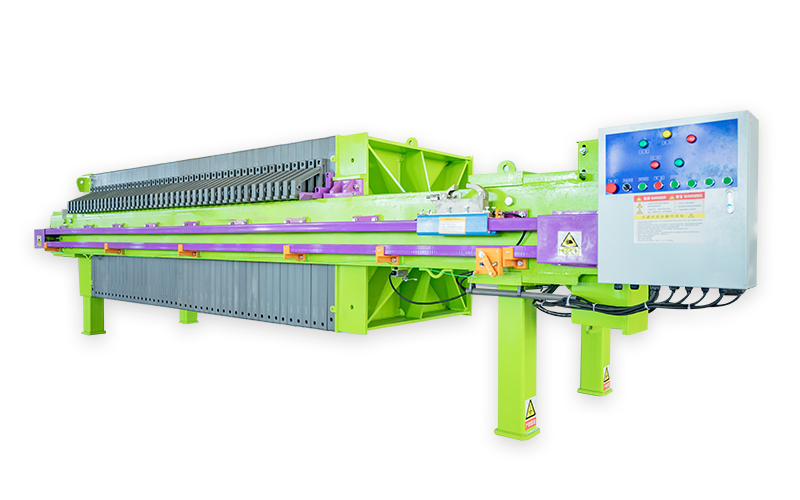
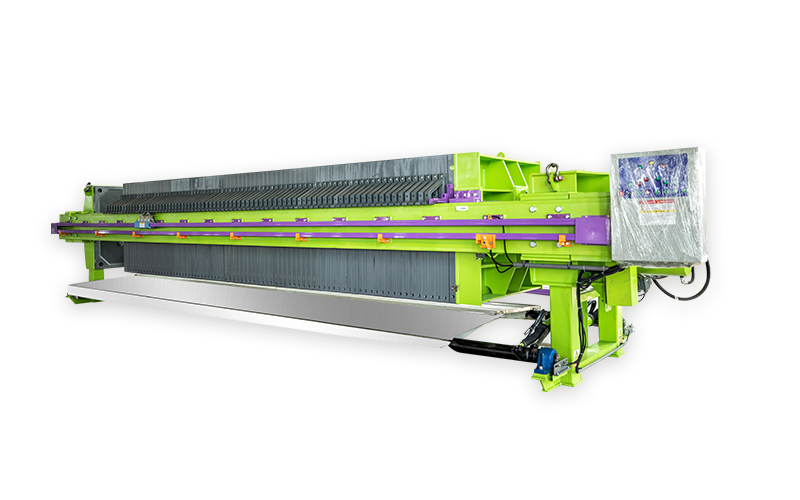
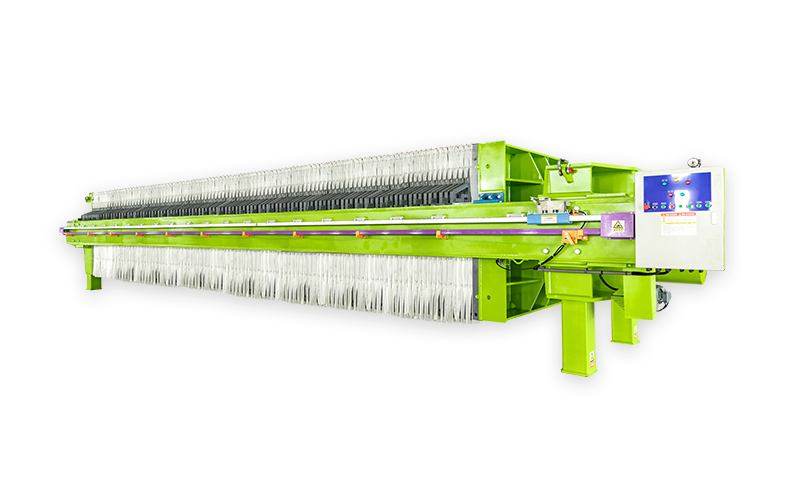
A 1000 chamber filter press operates by utilizing multiple chambers to accommodate large volumes of slurry generated during electroplating processes. Each chamber is designed to hold a filter cloth that captures solid particles while allowing the liquid to pass through. As the filtration process occurs, the solid waste builds up in the chambers, forming a cake that can be easily removed once the process is complete. This design not only maximizes efficiency but also reduces downtime since the press can handle larger batches of material in a single cycle.
One of the significant advantages of a 1000 chamber filter press is its ability to achieve high levels of separation and dewatering. The compression applied during the operation ensures that the moisture content of the sludge is significantly reduced, leading to less weight and volume for disposal. This is particularly beneficial for electroplating facilities looking to comply with strict environmental regulations regarding waste management.
Moreover, the filter press can be tailored to accommodate different types of electroplating waste, making it a versatile solution for various industrial applications. From low-viscosity to high-viscosity slurries, the technology can be adjusted to ensure optimal performance, regardless of the composition of the waste being processed. This adaptability is essential for businesses that may deal with different materials or changing waste characteristics over time.
Another aspect to consider is the automation capabilities of modern 1000 chamber filter presses. Many units come equipped with advanced control systems that allow for automated operation, reducing the need for manual intervention and minimizing the risk of human error. These systems can monitor parameters such as pressure, flow rate, and cake thickness, ensuring consistent performance and enhancing safety in the workplace.
In summary, a 1000 chamber filter press is an invaluable asset for any electroplating operation seeking to manage waste effectively. By enhancing separation efficiency, reducing sludge volume, and offering customizable solutions, this technology stands at the forefront of industrial waste management. Facilities looking to improve their waste handling processes should consider integrating a 1000 chamber filter press into their operations for a cleaner, more efficient, and environmentally responsible approach to electroplating waste management.
A 1000 chamber filter press operates by utilizing multiple chambers to accommodate large volumes of slurry generated during electroplating processes. Each chamber is designed to hold a filter cloth that captures solid particles while allowing the liquid to pass through. As the filtration process occurs, the solid waste builds up in the chambers, forming a cake that can be easily removed once the process is complete. This design not only maximizes efficiency but also reduces downtime since the press can handle larger batches of material in a single cycle.
One of the significant advantages of a 1000 chamber filter press is its ability to achieve high levels of separation and dewatering. The compression applied during the operation ensures that the moisture content of the sludge is significantly reduced, leading to less weight and volume for disposal. This is particularly beneficial for electroplating facilities looking to comply with strict environmental regulations regarding waste management.
Moreover, the filter press can be tailored to accommodate different types of electroplating waste, making it a versatile solution for various industrial applications. From low-viscosity to high-viscosity slurries, the technology can be adjusted to ensure optimal performance, regardless of the composition of the waste being processed. This adaptability is essential for businesses that may deal with different materials or changing waste characteristics over time.
Another aspect to consider is the automation capabilities of modern 1000 chamber filter presses. Many units come equipped with advanced control systems that allow for automated operation, reducing the need for manual intervention and minimizing the risk of human error. These systems can monitor parameters such as pressure, flow rate, and cake thickness, ensuring consistent performance and enhancing safety in the workplace.
In summary, a 1000 chamber filter press is an invaluable asset for any electroplating operation seeking to manage waste effectively. By enhancing separation efficiency, reducing sludge volume, and offering customizable solutions, this technology stands at the forefront of industrial waste management. Facilities looking to improve their waste handling processes should consider integrating a 1000 chamber filter press into their operations for a cleaner, more efficient, and environmentally responsible approach to electroplating waste management.
We sincerely look forward to cooperating with you!
Customized Filtration System Overall Solution
Contact Us
Contact Information
Nan Development Zone, Jingxian County, Hengshui City, Hebei Province
Online Consultation
If you are interested in our products, please leave your email address, and we will contact you as soon as possible. Thank you!