

A Comprehensive Guide to Operating an 800 Chamber Filter Press in Small Plants
Aug 15,2026


A Comprehensive Guide to Operating an 800 Chamber Filter Press in Small Plants
Table of Contents
1. Introduction to 800 Chamber Filter Press
2. Understanding Filter Press Technology
3. Key Components of an 800 Chamber Filter Press
4. Pre-Operation Checklist for Small Plants
5. Operating the 800 Chamber Filter Press
5.1 Starting the Process
5.2
A Comprehensive Guide to Operating an 800 Chamber Filter Press in Small Plants
Table of Contents
- 1. Introduction to 800 Chamber Filter Press
- 2. Understanding Filter Press Technology
- 3. Key Components of an 800 Chamber Filter Press
- 4. Pre-Operation Checklist for Small Plants
- 5. Operating the 800 Chamber Filter Press
- 6. Post-Operation Procedures
- 7. Maintenance Tips for Long-Lasting Performance
- 8. Cost-Benefit Analysis of Using an 800 Chamber Filter Press
- 9. FAQs
- 10. Conclusion
1. Introduction to 800 Chamber Filter Press
Operating a small plant efficiently requires the right equipment and knowledge. Among the essential tools in the filtration process is the **800 chamber filter press**. This machinery effectively separates solids from liquids, ensuring efficient resource management and waste reduction. In this guide, we will provide you with detailed instructions and insights on operating the 800 chamber filter press, making it a valuable asset in your small plant operations.
2. Understanding Filter Press Technology
Filter press technology has revolutionized the way various industries handle liquid-solid separation. By employing high pressure, the filter press forces liquid through a filter medium, allowing solids to be captured and discharged as a cake. The **800 chamber filter press** is designed specifically for small plants, capable of handling significant volumes while maintaining high filtration quality. Understanding how this technology works is pivotal in maximizing its potential in your operations.
3. Key Components of an 800 Chamber Filter Press
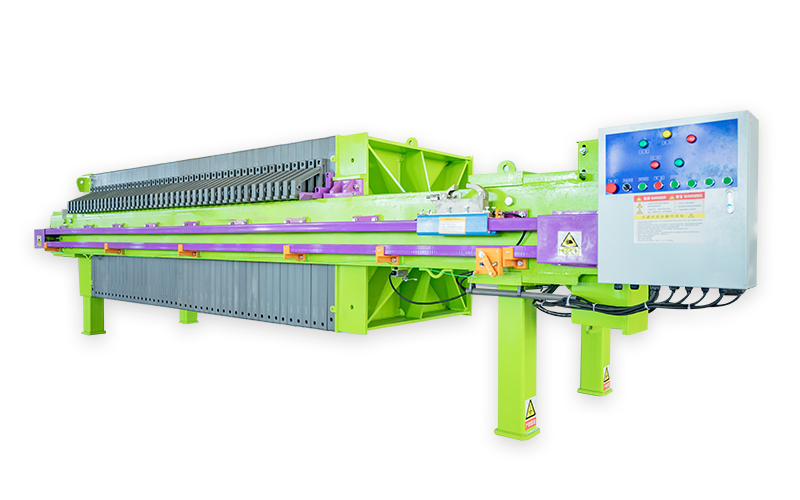
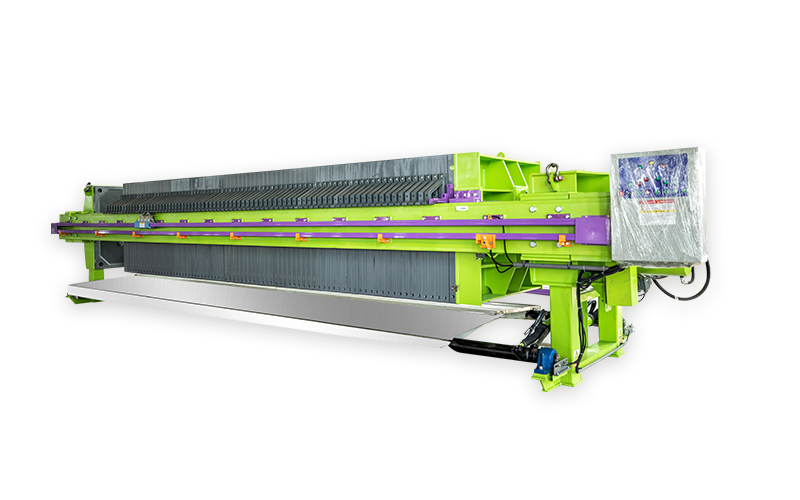
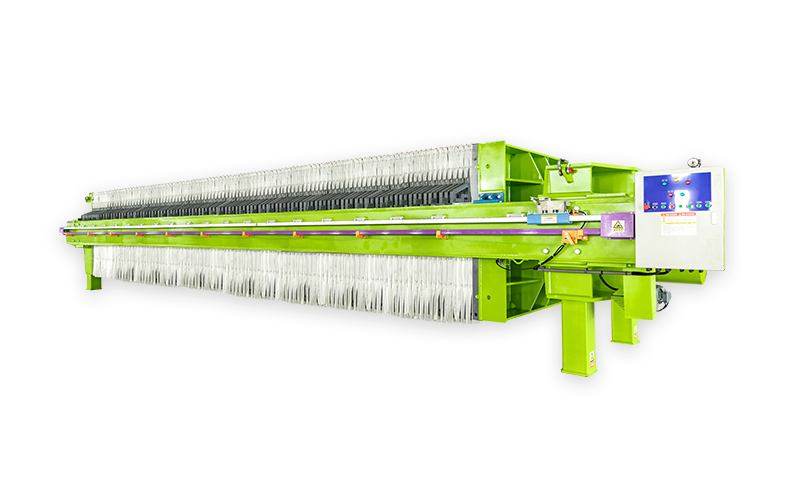
Knowing the major components of your 800 chamber filter press is essential for both operation and maintenance. Here are the key elements:
3.1 Filter Plates
The filter plates are the heart of the filter press, where the separation occurs. Each plate creates a chamber for the slurry to enter, allowing the liquid to pass through while retaining solids.
3.2 Hydraulic System
The hydraulic system controls the opening and closing of the filter press. It applies pressure necessary for the filtration process and ensures proper operation.
3.3 Feed Pump
The feed pump transports the slurry into the filter press. It needs to be carefully selected based on the viscosity and solid content of the slurry being processed.
3.4 Control Panel
The control panel allows operators to manage the entire process, providing functionalities for monitoring pressure, flow rate, and overall operation.
4. Pre-Operation Checklist for Small Plants
Before operating the 800 chamber filter press, a thorough pre-operation checklist is crucial. Here’s what to consider:
4.1 Inspect the Equipment
Ensure all components are in good condition. Check for any signs of wear, leaks, or damage that could affect performance.
4.2 Verify Water Supply
Ensure there is an adequate water supply for the hydraulic system. Insufficient water can lead to operational inefficiencies.
4.3 Calibration of Instruments
Calibrate pressure gauges and flow meters to ensure accurate readings during operation. Proper calibration helps in monitoring performance effectively.
4.4 Review Operating Manual
Familiarize yourself with the operating manual specific to your model. Understanding the manufacturer’s recommendations is key to successful operation.
5. Operating the 800 Chamber Filter Press
With the checklist complete, we can move on to the actual operation of the filter press.
5.1 Starting the Process
Begin the operation by ensuring the filter press is closed and secured. Engage the hydraulic system to apply pressure, ensuring all plates are tightly held together. Activate the feed pump to introduce the slurry into the filter press.
5.2 Monitoring Performance
Throughout the filtration process, monitoring performance is essential. Keep an eye on pressure gauges and flow rates. Any significant deviation from the norm could indicate blockages or equipment malfunctions.
5.3 Troubleshooting Common Issues
Despite careful operations, issues may arise. Here are some common problems and solutions:
- **Low Filtration Rate**: Check for blockages in the filter plates or incorrect pump settings.
- **Excessive Cake Moisture**: This can result from inadequate pressing time or insufficient pressure.
- **Leakage**: Inspect seals and tightening mechanisms to prevent leaks.
6. Post-Operation Procedures
Once the filtration process is complete, there are specific post-operation tasks to perform.
6.1 Cake Disposal
Carefully remove the solid cake from the filter plates. Proper disposal methods should be followed based on local regulations.
6.2 Cleaning the Equipment
Thoroughly clean the filter press to prevent residue build-up. Use appropriate cleaning agents and ensure all chambers are free from solids.
6.3 Inspect for Damage
After cleaning, inspect for any wear or damage that may have occurred during operation. Address any issues immediately.
7. Maintenance Tips for Long-Lasting Performance
Regular maintenance is vital to ensure the longevity and efficiency of your 800 chamber filter press.
7.1 Scheduled Maintenance
Establish a maintenance schedule based on operational hours. Regular checks can prevent unexpected downtimes.
7.2 Lubrication
Keep all moving parts well-lubricated. This reduces wear and tear and ensures smooth operation.
7.3 Component Replacement
Monitor the condition of filter plates and seals. Replace them as necessary to maintain optimal performance.
8. Cost-Benefit Analysis of Using an 800 Chamber Filter Press
Investing in an 800 chamber filter press can yield significant financial benefits for small plants. Here’s a breakdown:
8.1 Initial Investment
The initial cost of purchasing a filter press can be substantial. However, consider the long-term savings it provides.
8.2 Operational Savings
By enhancing filtration efficiency, plants reduce waste disposal costs and improve resource recovery. This can lead to substantial savings over time.
8.3 Environmental Compliance
Using an effective filtration system helps meet environmental regulations, avoiding potential fines and contributing to sustainability efforts.
9. FAQs
9.1 What is the capacity of an 800 chamber filter press?
The capacity can vary, but generally, it is designed to handle substantial volumes suitable for small plants.
9.2 How often should I perform maintenance on the filter press?
A maintenance schedule should be established, but typically, checks should occur every 100 operational hours.
9.3 Can the filter press handle various types of slurries?
Yes, the 800 chamber filter press can handle a range of slurries, though specific configurations may be necessary for different materials.
9.4 What safety precautions should I consider?
Always wear protective gear, follow manufacturer guidelines, and ensure emergency stop mechanisms are functional.
9.5 How can I maximize the lifespan of my filter press?
Regular maintenance, proper operation, and immediate addressing of issues can significantly extend the lifespan of the equipment.
10. Conclusion
Operating an **800 chamber filter press** in small plants presents numerous opportunities for efficiency and sustainability. By following the guidelines outlined in this comprehensive guide, plant operators can ensure optimal performance, prolong the lifespan of their equipment, and contribute to a more environmentally friendly operation. Understanding the intricacies of this machinery not only enhances productivity but also fosters a culture of excellence in filtration processes. As you continue to navigate the challenges of small plant operations, let this guide serve as your go-to resource for mastering the art of filter press operation.
We sincerely look forward to cooperating with you!
Customized Filtration System Overall Solution
Contact Us
Contact Information
Nan Development Zone, Jingxian County, Hengshui City, Hebei Province
Online Consultation
If you are interested in our products, please leave your email address, and we will contact you as soon as possible. Thank you!