

Comparing 2000mm Filter Press Models: Essential Insights for Optimal Choices
Jul 30,2026


Comparing 2000mm Filter Press Models: What You Need to Know
Table of Contents
Introduction to 2000mm Filter Press Models
Understanding Filter Presses: A Brief Overview
The Importance of Filter Presses in Industrial Applications
Key Features of 2000mm Filter Press Models
Performance Metrics: Efficiency and Capacity
Comparing Different 2000mm Filter Press Models
Maintena
Comparing 2000mm Filter Press Models: What You Need to Know
Table of Contents
- Introduction to 2000mm Filter Press Models
- Understanding Filter Presses: A Brief Overview
- The Importance of Filter Presses in Industrial Applications
- Key Features of 2000mm Filter Press Models
- Performance Metrics: Efficiency and Capacity
- Comparing Different 2000mm Filter Press Models
- Maintenance and Durability Considerations
- Cost Analysis: Budgeting for Your Filter Press
- Frequently Asked Questions (FAQs)
- Conclusion: Making an Informed Choice
Introduction to 2000mm Filter Press Models
In the realm of industrial filtration, **2000mm filter presses** stand out for their versatility and efficiency. These machines play a crucial role in separating solids from liquids, making them essential in various industries including mining, wastewater treatment, and food processing. Understanding the different models available in this category is key for any industrial operation looking to enhance productivity and achieve optimal filtration results.
Understanding Filter Presses: A Brief Overview
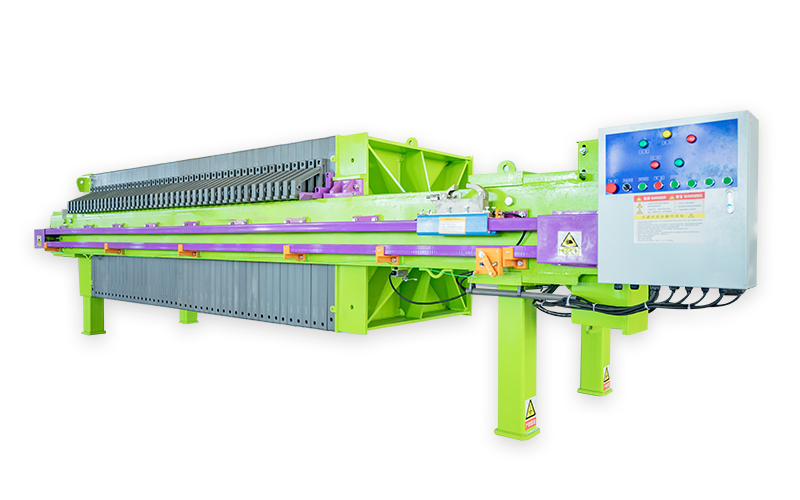
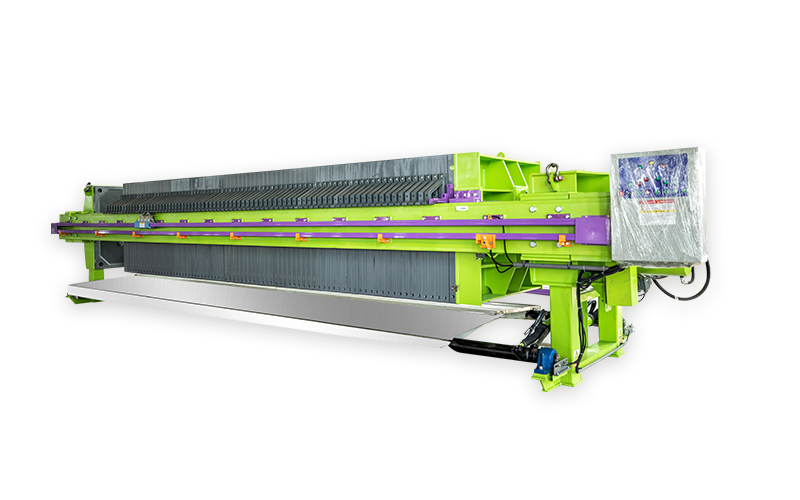
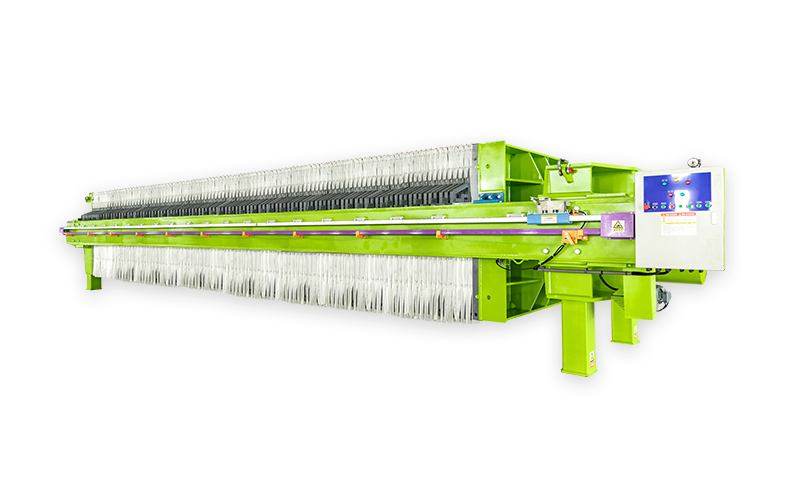
A **filter press** is a type of filtration equipment designed to separate solid and liquid phases of a slurry. The basic operation involves filling the press with slurry, applying pressure to achieve filtration, and then discharging the filter cake. This process is pivotal for industries that require high levels of purity in their liquid outputs, notably in environments with stringent regulatory requirements.
How Filter Presses Work
The operational process of a filter press includes several key stages:
1. **Filling:** The slurry is pumped into the press.
2. **Filtration:** Pressure is applied using hydraulic or pneumatic systems, forcing liquid through filter cloths, leaving behind a solid cake.
3. **Cake Discharge:** Once filtration is complete, the press is opened to remove the dry cake.
This cyclical process enables efficient filtering, making filter presses a popular choice for large-scale applications.
The Importance of Filter Presses in Industrial Applications
The significance of filter presses cannot be overstated. They contribute to:
- **Improved Product Quality:** By effectively separating impurities, filter presses enhance the quality of the final product.
- **Cost Efficiency:** The ability to recycle water and reduce waste lowers operational costs.
- **Regulatory Compliance:** Many industries are subject to strict regulations regarding effluent quality, making filter presses essential for compliance.
Key Features of 2000mm Filter Press Models
When comparing **2000mm filter press models**, several key features should be evaluated:
1. Plate Material
The material of the filter plates can greatly affect durability and chemical resistance. Common materials include:
- **Polypropylene:** Lightweight, resistant to corrosion.
- **Stainless Steel:** Stronger, suitable for high-pressure applications.
2. Hydraulic System
The hydraulic system's design influences the speed and efficiency of operation. Look for models with:
- **Automatic hydraulic controls** for consistent pressure application.
- **Energy-efficient systems** to lower operational costs.
3. Cake Thickness Adjustment
Some models allow for adjustable cake thickness, which can optimize the drying process and improve filtration efficiency.
4. Automation Features
Modern filter presses often include automation, allowing for:
- **Remote monitoring** and adjustments.
- **Automated cleaning cycles** to enhance operational efficiency and reduce downtime.
Performance Metrics: Efficiency and Capacity
Understanding performance metrics is critical when selecting a filter press. Key metrics include:
1. Filtration Rate
The filtration rate, measured in liters per hour, indicates how quickly the filter press can process slurry. Higher filtration rates can lead to increased productivity.
2. Cake Moisture Content
The moisture content of the cake post-filtration is vital. Lower moisture content signifies better performance and reduced disposal costs.
3. Cycle Time
Cycle time refers to how long it takes to complete a full filtration cycle. Efficient models minimize cycle time, enhancing overall productivity.
Comparing Different 2000mm Filter Press Models
When comparing various **2000mm filter press models**, consider key manufacturers and their offerings. Brands like **ANDRITZ**, **BakerCorp**, and **FLSmidth** provide a range of options, each with unique features.
Key Comparisons
- **ANDRITZ:** Known for high-pressure models with advanced automation features, ideal for demanding applications.
- **BakerCorp:** Offers cost-effective solutions with customizable features for varying industrial needs.
- **FLSmidth:** Provides a robust design with excellent filtration rates, suited for large-scale operations.
Evaluating customer reviews and performance data can also provide insights into real-world performance.
Maintenance and Durability Considerations
Maintenance plays a significant role in the lifespan and efficiency of a filter press. Consider the following:
1. Routine Maintenance
Regular maintenance checks can prevent breakdowns and prolong equipment life. Key areas include:
- **Inspecting hydraulic systems** for leaks.
- **Cleaning filter cloths** to ensure optimal performance.
2. Durability of Components
Selecting models with durable components can reduce the frequency of replacements and repairs. Check for warranties and service agreements that cover essential parts.
Cost Analysis: Budgeting for Your Filter Press
Investing in a filter press is a significant decision. A comprehensive cost analysis should include:
1. Initial Purchase Cost
The upfront cost varies greatly between models and manufacturers. Assess your budget while considering the long-term operational savings.
2. Operational Costs
These include energy consumption, maintenance, and the cost of consumables like filter cloths. Selecting energy-efficient models can significantly reduce ongoing costs.
3. Cost of Downtime
Consider the potential cost of downtime due to maintenance or operational inefficiencies. Models with robust reliability may offer greater long-term savings.
Frequently Asked Questions (FAQs)
1. What is the average lifespan of a 2000mm filter press?
The lifespan can range from 10 to 20 years depending on usage, maintenance practices, and the environment in which it operates.
2. How often should a filter press be serviced?
Regular inspections every 6 to 12 months are recommended, with more frequent checks for high-demand operations.
3. Can a 2000mm filter press handle all types of slurries?
While many filter presses are versatile, it’s crucial to assess the specific slurry characteristics to ensure compatibility.
4. Are automated filter presses worth the investment?
Yes, automated filter presses can enhance efficiency, reduce labor costs, and minimize errors in operation.
5. What factors influence the choice of a filter press model?
Key factors include the type of slurry, filtration requirements, budget, and desired automation level.
Conclusion: Making an Informed Choice
Selecting the right **2000mm filter press model** is a critical decision that can impact your operational efficiency and product quality. By understanding the features, performance metrics, and cost considerations, you can make an informed choice that aligns with your industrial needs. Careful comparison of different models, along with insights from other users, will further enhance your decision-making process. Emphasizing maintenance and durability will ensure that your investment serves you well for years to come. With this comprehensive guide, you are equipped with the knowledge necessary to navigate the complexities of filter press selection effectively.
Previous:
We sincerely look forward to cooperating with you!
Customized Filtration System Overall Solution
Contact Us
Contact Information
Nan Development Zone, Jingxian County, Hengshui City, Hebei Province
Online Consultation
If you are interested in our products, please leave your email address, and we will contact you as soon as possible. Thank you!