

Mastering Sludge Dewatering: The Advantages of a 1500 Filter Press
Jul 29,2026


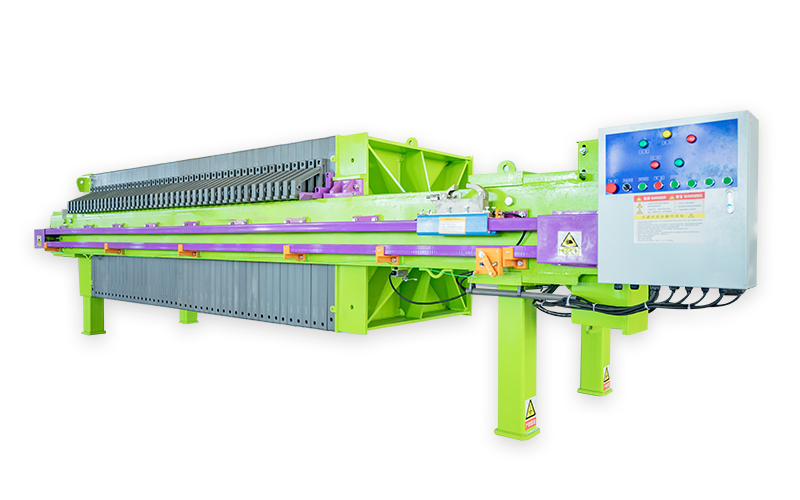
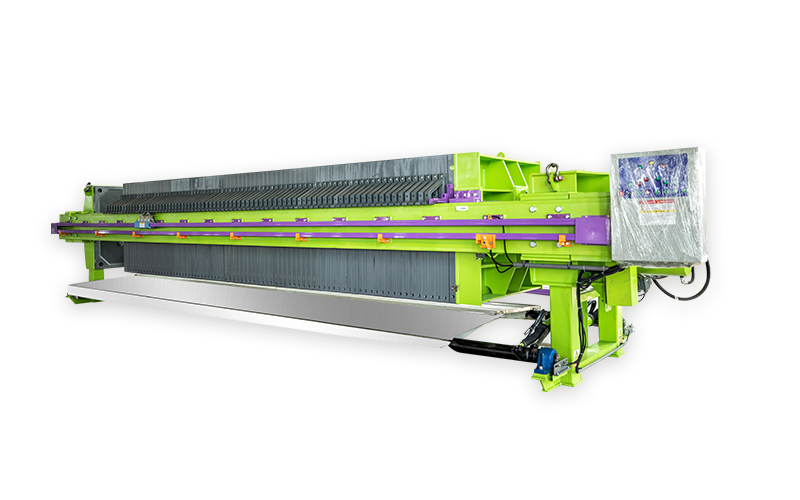
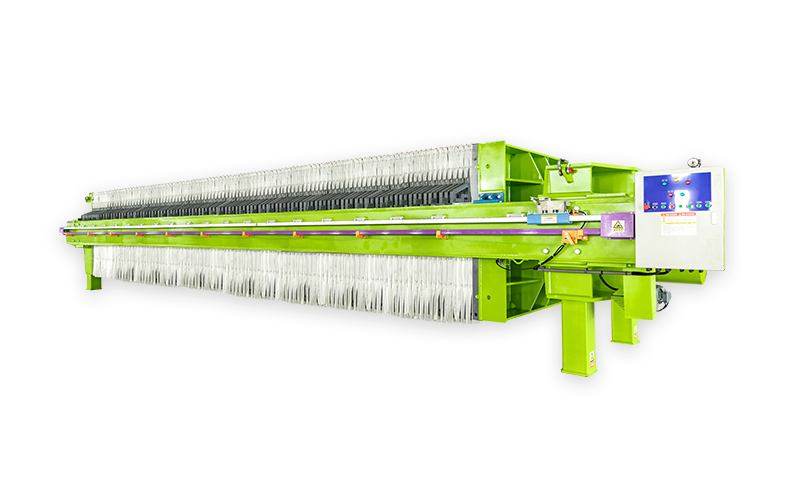
In the realm of industrial equipment and components, particularly within filtering and pressing technologies, the 1500 filter press for sludge dewatering stands out as a pivotal solution for various industries tasked with managing waste. This equipment provides an effective means to reduce liquid volume in sludge, thereby facilitating easier handling, transportation, and disposal of waste material
In the realm of industrial equipment and components, particularly within filtering and pressing technologies, the 1500 filter press for sludge dewatering stands out as a pivotal solution for various industries tasked with managing waste. This equipment provides an effective means to reduce liquid volume in sludge, thereby facilitating easier handling, transportation, and disposal of waste materials.
The primary function of a 1500 filter press is to separate solids from liquids through a process known as filtration. This is achieved by applying pressure to the sludge, pushing the liquid through filter cloths while retaining the solid particles. The result is a dry cake of sludge that can greatly reduce waste volume, leading to significant savings in waste disposal costs and enhancing overall operational efficiency.
One of the key advantages of the 1500 filter press is its capacity for high volume processing. This model is designed to handle large amounts of sludge, making it ideal for industrial applications such as sewage treatment plants, food and beverage processing, and mining operations. The ability to manage high sludge volumes without compromising filtration quality ensures that industries can meet regulatory standards while optimizing their waste management processes.
Technologically, the 1500 filter press incorporates advanced features that enhance its performance. For instance, automated controls enable precise monitoring of filtration parameters, reducing the risk of human error and ensuring consistent output quality. Additionally, the design of the filter plates in the press allows for easy cleaning and maintenance, minimizing downtime and improving productivity. The incorporation of durable materials in its construction also extends the life of the equipment, making it a wise investment for companies seeking reliable dewatering solutions.
Another important aspect of the 1500 filter press is its environmental impact. By effectively dewatering sludge, industries can reduce their environmental footprint. The dry cake generated can often be repurposed or disposed of in a more environmentally friendly manner. This aligns with the increasing emphasis on sustainability within industrial practices, as businesses seek to minimize waste and enhance their corporate social responsibility initiatives.
In conclusion, the 1500 filter press for sludge dewatering is an essential tool for industries focused on improving their waste management processes. Its ability to efficiently process large volumes of sludge while offering technological advancements and environmental benefits makes it a top choice for organizations aiming to enhance their operational efficiency and sustainability efforts. By investing in this technology, businesses can not only streamline their operations but also contribute positively to environmental outcomes.
The primary function of a 1500 filter press is to separate solids from liquids through a process known as filtration. This is achieved by applying pressure to the sludge, pushing the liquid through filter cloths while retaining the solid particles. The result is a dry cake of sludge that can greatly reduce waste volume, leading to significant savings in waste disposal costs and enhancing overall operational efficiency.
One of the key advantages of the 1500 filter press is its capacity for high volume processing. This model is designed to handle large amounts of sludge, making it ideal for industrial applications such as sewage treatment plants, food and beverage processing, and mining operations. The ability to manage high sludge volumes without compromising filtration quality ensures that industries can meet regulatory standards while optimizing their waste management processes.
Technologically, the 1500 filter press incorporates advanced features that enhance its performance. For instance, automated controls enable precise monitoring of filtration parameters, reducing the risk of human error and ensuring consistent output quality. Additionally, the design of the filter plates in the press allows for easy cleaning and maintenance, minimizing downtime and improving productivity. The incorporation of durable materials in its construction also extends the life of the equipment, making it a wise investment for companies seeking reliable dewatering solutions.
Another important aspect of the 1500 filter press is its environmental impact. By effectively dewatering sludge, industries can reduce their environmental footprint. The dry cake generated can often be repurposed or disposed of in a more environmentally friendly manner. This aligns with the increasing emphasis on sustainability within industrial practices, as businesses seek to minimize waste and enhance their corporate social responsibility initiatives.
In conclusion, the 1500 filter press for sludge dewatering is an essential tool for industries focused on improving their waste management processes. Its ability to efficiently process large volumes of sludge while offering technological advancements and environmental benefits makes it a top choice for organizations aiming to enhance their operational efficiency and sustainability efforts. By investing in this technology, businesses can not only streamline their operations but also contribute positively to environmental outcomes.
We sincerely look forward to cooperating with you!
Customized Filtration System Overall Solution
Contact Us
Contact Information
Nan Development Zone, Jingxian County, Hengshui City, Hebei Province
Online Consultation
If you are interested in our products, please leave your email address, and we will contact you as soon as possible. Thank you!