

Top Maintenance Tips to Extend the Life of Your 2000mm Filter Press
Jul 20,2026


Top Maintenance Tips to Extend the Life of Your 2000mm Filter Press
Table of Contents
Understanding the 2000mm Filter Press
Importance of Maintenance for Filter Presses
Daily Maintenance Tips
Weekly and Monthly Maintenance Guidelines
Common Issues and How to Address Them
Best Practices for Extended Lifespan
Upgrading and Replacing Components
Frequently Asked Questi
Top Maintenance Tips to Extend the Life of Your 2000mm Filter Press
Table of Contents
- Understanding the 2000mm Filter Press
- Importance of Maintenance for Filter Presses
- Daily Maintenance Tips
- Weekly and Monthly Maintenance Guidelines
- Common Issues and How to Address Them
- Best Practices for Extended Lifespan
- Upgrading and Replacing Components
- Frequently Asked Questions
Understanding the 2000mm Filter Press
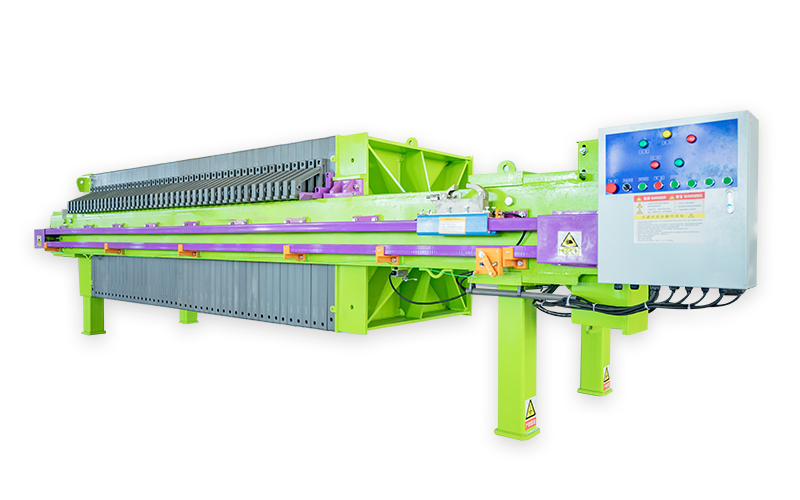
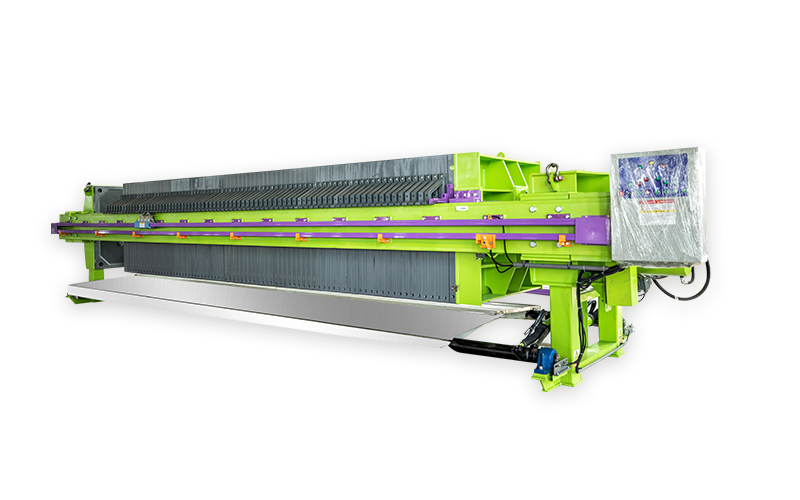
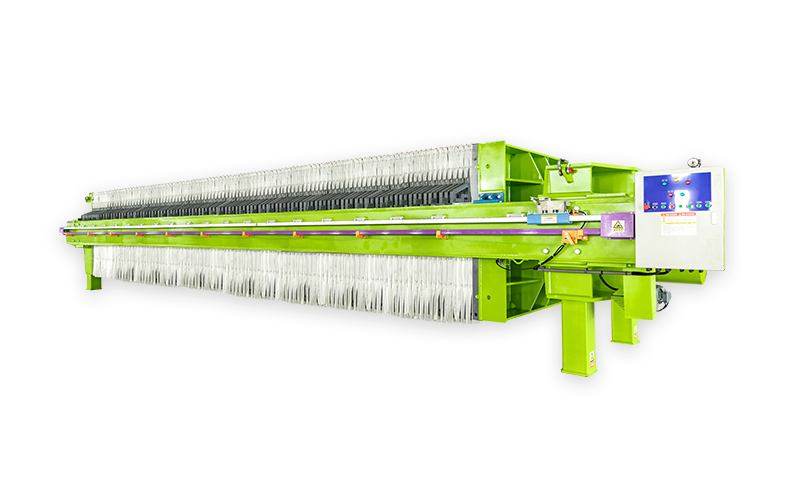
The **2000mm filter press** is an essential piece of equipment in various industries, primarily used for separating solids from liquids through the process of filtration. The large surface area provided by the 2000mm size makes it highly effective in processing large volumes of slurry. Understanding how this equipment functions is crucial to ensuring its optimal performance and longevity.
A filter press consists of a series of plates and frames, where the slurry is introduced. The solids are trapped between these plates, allowing the liquid to escape through the filter cloth. Proper maintenance is critical to keep this system running efficiently and to prevent costly downtime.
Importance of Maintenance for Filter Presses
Routine maintenance of your **2000mm filter press** is vital for several reasons:
1. **Enhanced Efficiency**: Regular maintenance ensures that the filter press operates at peak efficiency, leading to improved product quality and reduced operational costs.
2. **Prolonged Equipment Life**: Routine checks and replacements of worn components can significantly extend the lifespan of your filter press, saving you money on replacements.
3. **Minimized Downtime**: A well-maintained filter press minimizes unexpected breakdowns, allowing for continuous operation and increased productivity.
4. **Safety Compliance**: Regular maintenance ensures that safety standards are met, protecting your workforce and minimizing the risk of accidents.
Daily Maintenance Tips
Implementing a daily maintenance routine can have a significant impact on the longevity of your **2000mm filter press**. The following steps should be part of your daily maintenance checklist:
Inspect Filter Cloths
Inspect the **filter cloths** for wear and tear. Look for any signs of damage or clogging that could affect filtration efficiency. Replace them if necessary.
Check Hydraulic Pressures
Ensure that the hydraulic pressures are within the recommended range. Low pressure can lead to inefficient filtration, while high pressure can cause damage to the equipment.
Monitor Cake Thickness
Regularly check the thickness of the cake formed during the filtration process. An abnormal cake thickness can indicate issues with the filtration process or the need for filter cloth replacement.
Clean the Equipment
**Cleaning** the filter press after each operation can prevent the buildup of sludge and other contaminants, ensuring optimal performance in subsequent uses.
Inspect for Leaks
Look for any signs of leaks around the hydraulic system and the connections. Early detection can prevent more serious issues down the line.
Weekly and Monthly Maintenance Guidelines
In addition to daily checks, weekly and monthly maintenance routines can help maintain the efficiency of your **2000mm filter press**.
Weekly Maintenance Tasks
- **Hydraulic Fluid Levels**: Check hydraulic fluid levels and top off if necessary. Low fluid levels can lead to inadequate pressure and poor performance.
- **Visual Inspection**: Conduct a thorough visual inspection of all components, looking for signs of wear, corrosion, or misalignment.
Monthly Maintenance Tasks
- **Replace Filter Cloths**: Depending on the usage, consider replacing the filter cloths monthly to maintain optimal performance.
- **Calibrate Sensors**: Ensure that all sensors and gauges are calibrated correctly for accurate readings and performance monitoring.
Common Issues and How to Address Them
Despite regular maintenance, issues can still arise with your **2000mm filter press**. Here are some common problems and solutions:
Clogged Filter Cloths
Clogging of filter cloths can lead to reduced efficiency. If you notice decreased flow rates, inspect and clean or replace the filter cloths.
Inconsistent Cake Formation
If the cake is forming inconsistently, this could be due to improper hydraulic pressure or filter cloth wear. Check the hydraulic settings and cloth condition.
Leakage Issues
Leaks in the hydraulic system can significantly affect performance. Identify the source of the leak and replace any damaged seals or fittings immediately.
Best Practices for Extended Lifespan
To ensure the longevity of your **2000mm filter press**, consider the following best practices:
Training for Operators
Ensure that all operators are thoroughly trained on the proper use and maintenance of the filter press. Understanding how to operate the equipment correctly can prevent misuse and extend its life.
Scheduled Maintenance Plans
Implement a scheduled maintenance plan that includes all the daily, weekly, and monthly tasks outlined above. Keeping a maintenance log can help track any issues over time.
Use Quality Replacement Parts
When it’s time to replace components, always opt for quality replacement parts to maintain the integrity and performance of your filter press.
Upgrading and Replacing Components
As technology evolves, so do the components used in filter presses. Upgrading certain parts can significantly enhance performance:
Advanced Automation Systems
Consider integrating advanced automation systems that can monitor performance and provide real-time feedback. These systems can help in predicting maintenance needs.
Enhanced Filtration Media
Investing in high-quality filtration media can improve efficiency and prolong the life of the filter press. Advanced materials may offer better resistance to wear and clogging.
Frequently Asked Questions
1. How often should I replace the filter cloths?
It depends on usage, but generally, filter cloths should be inspected regularly and replaced at least every few months or as soon as signs of wear are evident.
2. What common mistakes should I avoid when maintaining a filter press?
Avoid neglecting daily inspections, using subpar replacement parts, and operating the filter press outside of its specified parameters.
3. Can I perform maintenance on the filter press myself?
Yes, many maintenance tasks can be performed in-house, but ensure that operators are trained and understand the equipment fully for safety and effectiveness.
4. What signs indicate that a filter press needs immediate attention?
Signs include unusual noises, leaks, reduced efficiency, and inconsistent cake formation.
5. How can I improve the efficiency of my filter press?
Regular maintenance, upgrading components, and using quality replacement parts can all contribute to improved efficiency.
Conclusion
Maintaining your **2000mm filter press** is essential for maximizing its performance and lifespan. By following these detailed maintenance tips and best practices, you can prevent unnecessary downtime, improve efficiency, and ensure that your filter press operates optimally. Remember, investing time and resources in regular upkeep will pay off in the long run, enhancing productivity and safeguarding your investment. Embrace these strategies today to ensure your filter press continues to deliver outstanding results for years to come.
We sincerely look forward to cooperating with you!
Customized Filtration System Overall Solution
Contact Us
Contact Information
Nan Development Zone, Jingxian County, Hengshui City, Hebei Province
Online Consultation
If you are interested in our products, please leave your email address, and we will contact you as soon as possible. Thank you!