

Maximizing Efficiency: The Role of 1500 Filter Press in Sludge Dewatering
Jul 19,2026


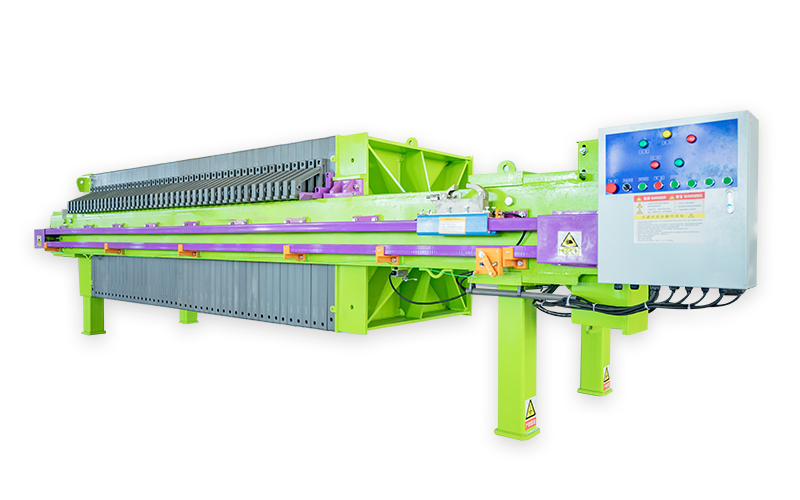
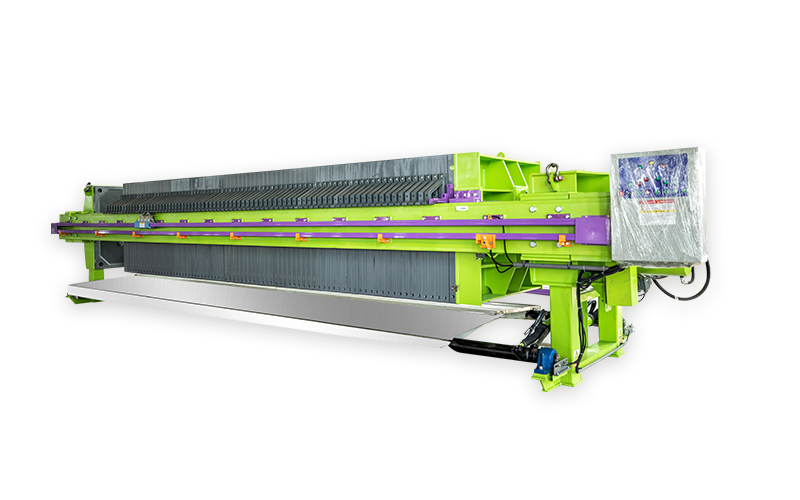
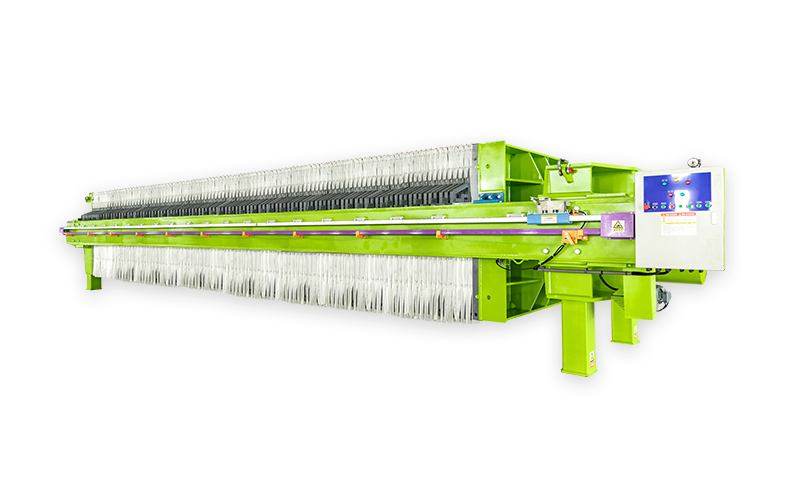
The 1500 filter press is a specialized piece of equipment designed to separate liquid from solids in a slurry, making it an invaluable tool for various applications, particularly in wastewater treatment and industrial processes. This type of filter press operates under high pressure, facilitating the dewatering process and significantly reducing the volume of sludge that must be managed.
One of t
The 1500 filter press is a specialized piece of equipment designed to separate liquid from solids in a slurry, making it an invaluable tool for various applications, particularly in wastewater treatment and industrial processes. This type of filter press operates under high pressure, facilitating the dewatering process and significantly reducing the volume of sludge that must be managed.
One of the primary advantages of a 1500 filter press is its ability to enhance efficiency. By applying a mechanical force to the slurry, the filter press can achieve a higher solids content in the cake, leading to reduced disposal costs and increased recovery of valuable materials. This is particularly beneficial in industries such as mining, food processing, and pharmaceuticals, where effective waste management is crucial for both environmental and economic reasons.
Furthermore, the 1500 filter press is renowned for its versatility. It can handle a variety of sludge types, including those with high solid content and varying chemical compositions. This adaptability allows businesses to utilize a single unit for multiple applications, streamlining operations and minimizing capital investment in equipment. When selecting a filter press, it is essential to consider the specific characteristics of the sludge being processed, as this will influence the press's performance and overall effectiveness.
Operationally, the 1500 filter press is designed for ease of use and maintenance. Many models feature automatic or semi-automatic functions that simplify the filtration process, reducing the need for manual intervention. Regular maintenance is crucial to ensure optimal performance and longevity of the equipment. Routine checks on the hydraulic system, membrane integrity, and filter cloth condition can prevent unexpected downtimes and costly repairs.
In addition to its practical benefits, investing in a 1500 filter press can lead to significant environmental advantages. Efficient sludge dewatering minimizes the volume of waste sent to landfills, thereby reducing the overall environmental footprint of industrial operations. Moreover, by recovering more water from the sludge, businesses can contribute to water conservation efforts, aligning with global sustainability goals.
In summary, the 1500 filter press for sludge dewatering is an essential tool for industries aiming to enhance efficiency, reduce waste, and promote sustainable practices. By understanding its functionalities and advantages, professionals can make informed decisions that contribute to improved waste management and operational efficiency within their organizations. As industries continue to focus on innovation and sustainability, the role of advanced filtration technologies like the 1500 filter press will become increasingly significant.
One of the primary advantages of a 1500 filter press is its ability to enhance efficiency. By applying a mechanical force to the slurry, the filter press can achieve a higher solids content in the cake, leading to reduced disposal costs and increased recovery of valuable materials. This is particularly beneficial in industries such as mining, food processing, and pharmaceuticals, where effective waste management is crucial for both environmental and economic reasons.
Furthermore, the 1500 filter press is renowned for its versatility. It can handle a variety of sludge types, including those with high solid content and varying chemical compositions. This adaptability allows businesses to utilize a single unit for multiple applications, streamlining operations and minimizing capital investment in equipment. When selecting a filter press, it is essential to consider the specific characteristics of the sludge being processed, as this will influence the press's performance and overall effectiveness.
Operationally, the 1500 filter press is designed for ease of use and maintenance. Many models feature automatic or semi-automatic functions that simplify the filtration process, reducing the need for manual intervention. Regular maintenance is crucial to ensure optimal performance and longevity of the equipment. Routine checks on the hydraulic system, membrane integrity, and filter cloth condition can prevent unexpected downtimes and costly repairs.
In addition to its practical benefits, investing in a 1500 filter press can lead to significant environmental advantages. Efficient sludge dewatering minimizes the volume of waste sent to landfills, thereby reducing the overall environmental footprint of industrial operations. Moreover, by recovering more water from the sludge, businesses can contribute to water conservation efforts, aligning with global sustainability goals.
In summary, the 1500 filter press for sludge dewatering is an essential tool for industries aiming to enhance efficiency, reduce waste, and promote sustainable practices. By understanding its functionalities and advantages, professionals can make informed decisions that contribute to improved waste management and operational efficiency within their organizations. As industries continue to focus on innovation and sustainability, the role of advanced filtration technologies like the 1500 filter press will become increasingly significant.
We sincerely look forward to cooperating with you!
Customized Filtration System Overall Solution
Contact Us
Contact Information
Nan Development Zone, Jingxian County, Hengshui City, Hebei Province
Online Consultation
If you are interested in our products, please leave your email address, and we will contact you as soon as possible. Thank you!