

Transforming Waste into Resources: Understanding the 1250 Filter Press Process for Clean Water
Jul 08,2026


From Sludge to Clean Water: The 1250 Filter Press Process
Table of Contents
Introduction to the 1250 Filter Press Process
What is a Filter Press?
How the 1250 Filter Press Works
Benefits of Using the 1250 Filter Press
Applications of the 1250 Filter Press
Maintenance and Care of the 1250 Filter Press
Frequently Asked Questions
Conclusion
Introduction to the 1250 F
From Sludge to Clean Water: The 1250 Filter Press Process
Table of Contents
- Introduction to the 1250 Filter Press Process
- What is a Filter Press?
- How the 1250 Filter Press Works
- Benefits of Using the 1250 Filter Press
- Applications of the 1250 Filter Press
- Maintenance and Care of the 1250 Filter Press
- Frequently Asked Questions
- Conclusion
Introduction to the 1250 Filter Press Process
The need for effective wastewater treatment has never been more critical. As industries evolve and water scarcity becomes a pressing issue, innovative technologies like the **1250 Filter Press** offer promising solutions. This advanced filtration system efficiently removes solids from liquids, transforming **sludge** into clean water—a vital step towards sustainability in various sectors.
This article aims to provide a comprehensive understanding of the **1250 Filter Press process**, exploring its functionality, benefits, and applications. By the end, you will grasp how this technology plays a key role in modern water management.
What is a Filter Press?
A **filter press** is a type of equipment utilized in industrial processes to separate solids from liquids. It functions by applying pressure to a slurry, forcing the liquid through filter media while retaining solids within the press. This method is widely used in industries such as mining, pharmaceuticals, and food and beverage production, where effective separation is crucial.
The Components of a Filter Press
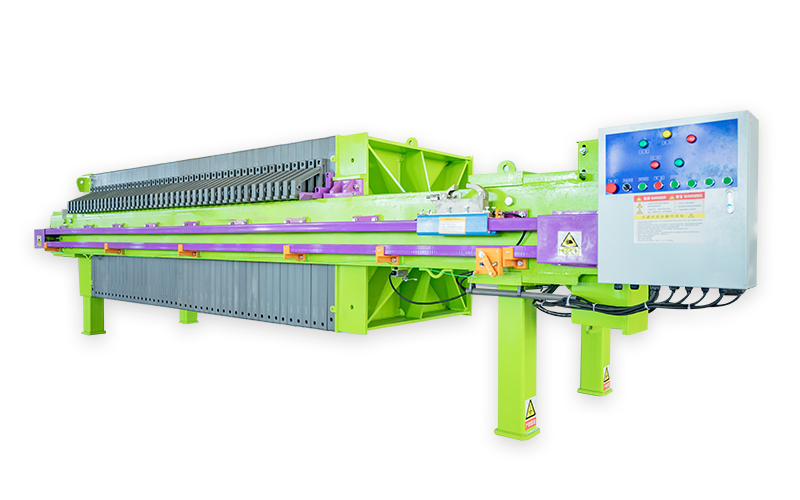
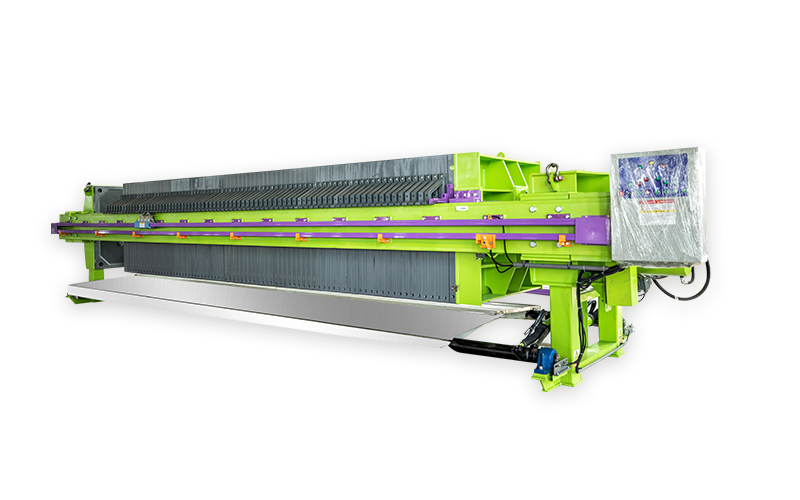
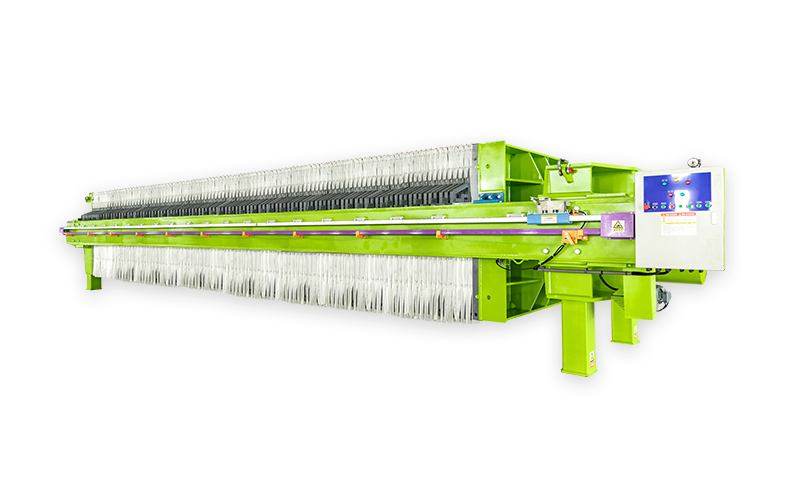
The 1250 Filter Press consists of several essential components:
- **Filter Plates**: These serve as the primary separation medium. They are typically made of robust materials like polypropylene or stainless steel.
- **Filter Cloth**: Attached to the filter plates, this medium enhances the filtration process by ensuring only liquids pass through.
- **Hydraulic System**: This component applies the necessary pressure to the filter plates, enabling efficient separation.
- **Slurry Feed System**: Responsible for delivering the slurry into the press, ensuring an even distribution across the filter plates.
How the 1250 Filter Press Works
The operation of the **1250 Filter Press** can be broken down into several key stages:
1. Slurry Preparation
Before filtration, the slurry, which consists of a mixture of water and solids, is prepared. This often involves mixing chemicals or additives to enhance separation efficiency and ensure optimal performance.
2. Filling the Filter Press
Once prepared, the slurry is pumped into the filter press. The hydraulic system activates, compressing the filter plates together and sealing the system to prevent leaks.
3. Filtration Process
During this phase, pressure forces liquid through the filter cloth, leaving behind the solids trapped in the chambers formed by the filter plates. The liquid collected is known as the filtrate, while the solids form a cake.
4. Cake Discharge
After achieving the desired solid content in the cake, the hydraulic system opens the filter press, allowing for the removal of the solidified material. This step can be automated for efficiency.
5. Cleaning Cycle
Following the discharge, a cleaning cycle may occur to prepare the filter press for subsequent operations, ensuring that residues do not affect future filtration.
Benefits of Using the 1250 Filter Press
The **1250 Filter Press** offers numerous advantages that enhance its appeal in various industries:
1. High Efficiency
The filtration process is highly efficient, capable of achieving solid-liquid separation with minimal energy consumption. This efficiency translates into lower operational costs.
2. Versatility
The technology can handle a wide range of sludge types, making it suitable for diverse applications across multiple industries.
3. Reduced Environmental Impact
By transforming waste into reusable water, the 1250 Filter Press contributes to sustainable practices and helps industries meet regulatory standards for wastewater discharge.
4. Space-Saving Design
The compact design of the 1250 Filter Press allows for easy integration into existing facilities without requiring significant additional space.
5. Easy Operation and Maintenance
The user-friendly interface and straightforward maintenance requirements make the filter press an attractive option for operators.
Applications of the 1250 Filter Press
The **1250 Filter Press** finds applications in various industries, including:
1. Mining and Metallurgy
In mining operations, the filter press effectively separates water from mineral slurries, allowing for water reuse and reducing waste.
2. Food and Beverage Industry
This technology is employed to clarify juices, oils, and other liquids, ensuring that products meet quality standards.
3. Pharmaceuticals
In pharmaceutical manufacturing, the filter press is crucial for purifying compounds, ensuring safety and compliance with stringent regulations.
4. Wastewater Treatment
Municipal treatment facilities utilize the 1250 Filter Press to dewater sludge, enabling the recovery of clean water for reuse in processes.
5. Chemical Processing
The chemical industry benefits from the filter press, which separates solids from various chemical mixtures, enhancing product purity.
Maintenance and Care of the 1250 Filter Press
To ensure optimal performance and longevity of the **1250 Filter Press**, regular maintenance is essential. Here are some key practices:
1. Routine Inspections
Conduct regular inspections of the hydraulic system, filter plates, and cloth to identify and address any wear or damage promptly.
2. Cleaning Procedures
Implement a cleaning schedule for the filter press to remove any accumulated residues. This prevents cross-contamination and maintains filtration efficiency.
3. Monitor Performance
Keep track of the filter press's performance metrics, such as cake dryness and filtration rates, to identify any deviations from normal operation.
4. Training Personnel
Ensure that operators are trained in the proper operation and maintenance of the filter press to minimize the risk of errors and accidents.
Frequently Asked Questions
1. What is the capacity of the 1250 Filter Press?
The capacity of the 1250 Filter Press varies based on the model and configuration but typically accommodates large volumes of slurry, making it suitable for industrial applications.
2. How does the 1250 Filter Press compare to other filtration methods?
The 1250 Filter Press is known for its high efficiency and versatility, making it an excellent choice for industries with challenging sludge types compared to other methods like centrifugation.
3. Can the 1250 Filter Press handle hazardous materials?
Yes, the 1250 Filter Press can be configured to handle hazardous materials, provided it is equipped with appropriate safety features and materials.
4. What maintenance is required for the 1250 Filter Press?
Regular inspections, cleaning, and monitoring of performance metrics are essential to ensure the longevity and efficiency of the filter press.
5. Is the 1250 Filter Press cost-effective?
While the initial investment might be significant, the operational savings and long-term benefits of water recovery and waste reduction make it a cost-effective solution.
Conclusion
In summary, the **1250 Filter Press** process stands as a formidable solution in the quest for clean water and sustainable waste management. By efficiently transforming **sludge** into reusable water, this technology not only supports industries in meeting their environmental obligations but also contributes to the overall health of our ecosystems. Understanding its operation, benefits, and applications enables industries to make informed decisions that align with both operational efficiency and sustainability goals. Investing in the 1250 Filter Press is not just a step towards effective waste management—it is a stride toward a cleaner, greener future.
Previous:
We sincerely look forward to cooperating with you!
Customized Filtration System Overall Solution
Contact Us
Contact Information
Nan Development Zone, Jingxian County, Hengshui City, Hebei Province
Online Consultation
If you are interested in our products, please leave your email address, and we will contact you as soon as possible. Thank you!