

Maximizing Efficiency with 1000 Chamber Filter Presses for Electroplating Waste Management
Jul 07,2026


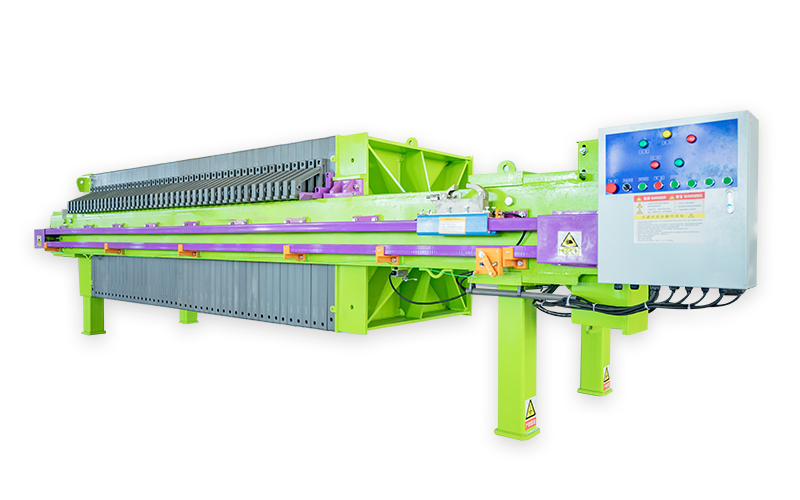
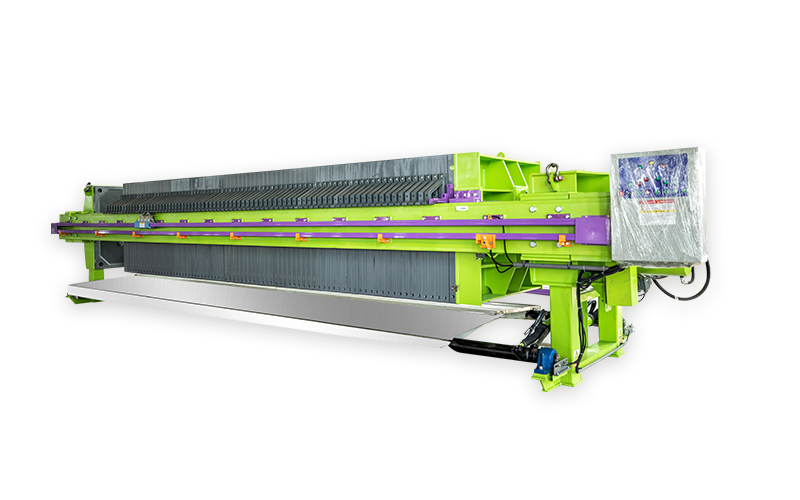
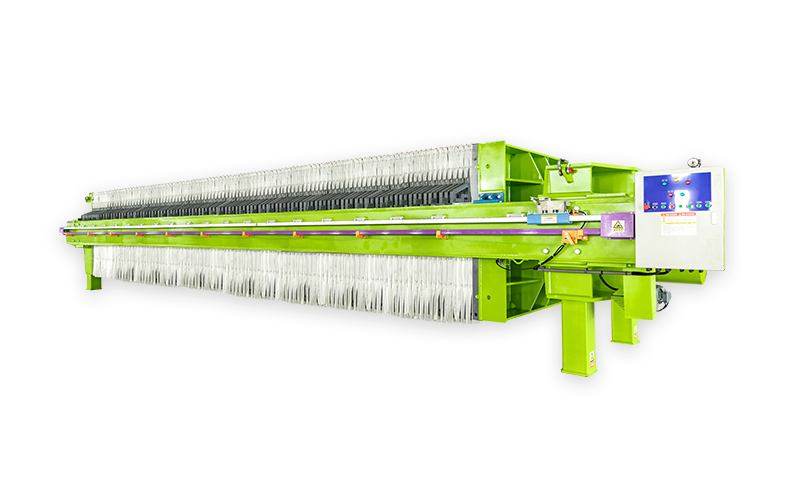
In the electroplating industry, managing waste efficiently is crucial not just for regulatory compliance but also for enhancing operational sustainability. A 1000 chamber filter press serves as a vital piece of equipment in this process, effectively separating solids from liquids in wastewater generated during electroplating operations.
A filter press operates by using pressure to force liquid thr
In the electroplating industry, managing waste efficiently is crucial not just for regulatory compliance but also for enhancing operational sustainability. A 1000 chamber filter press serves as a vital piece of equipment in this process, effectively separating solids from liquids in wastewater generated during electroplating operations.
A filter press operates by using pressure to force liquid through a filter medium, thereby leaving solid particles behind. The 1000 chamber design refers to the number of individual filtration chambers within the press, allowing for large volumes of waste to be processed simultaneously. This is particularly advantageous in electroplating, where waste can include heavy metals, chemicals, and other hazardous materials that need to be handled with care.
One of the primary benefits of using a 1000 chamber filter press is its ability to significantly reduce the volume of waste produced. By efficiently separating solids from liquids, the filter press minimizes the amount of sludge that must be disposed of, which can lead to lower disposal costs and reduced environmental impact. Additionally, the recovered solids can often be recycled or reused, further promoting sustainability in industrial processes.
Moreover, the operational efficiency of a 1000 chamber filter press means that electroplating facilities can maintain higher productivity levels. The press can handle continuous operations, meaning that while one cycle is completing, another can be prepared, thus optimizing downtime and enhancing overall workflow efficiency. This is particularly important in high-demand environments where time and resource management are critical.
The design of a 1000 chamber filter press is also aimed at ensuring ease of maintenance and operation. Many modern filter presses come equipped with automation features that streamline the filtration process, allowing operators to monitor and adjust parameters remotely. This not only improves efficiency but also enhances safety in environments where workers may be exposed to hazardous materials.
In conclusion, utilizing a 1000 chamber filter press for the management of electroplating waste represents a strategic choice for industrial facilities aiming to enhance waste treatment processes. With benefits including reduced waste volume, improved operational efficiency, and sustainable waste management practices, these filter presses are an indispensable asset in the ongoing efforts to promote eco-friendly industrial operations. Their effective use not only meets regulatory requirements but also contributes to a cleaner and more sustainable environment.
A filter press operates by using pressure to force liquid through a filter medium, thereby leaving solid particles behind. The 1000 chamber design refers to the number of individual filtration chambers within the press, allowing for large volumes of waste to be processed simultaneously. This is particularly advantageous in electroplating, where waste can include heavy metals, chemicals, and other hazardous materials that need to be handled with care.
One of the primary benefits of using a 1000 chamber filter press is its ability to significantly reduce the volume of waste produced. By efficiently separating solids from liquids, the filter press minimizes the amount of sludge that must be disposed of, which can lead to lower disposal costs and reduced environmental impact. Additionally, the recovered solids can often be recycled or reused, further promoting sustainability in industrial processes.
Moreover, the operational efficiency of a 1000 chamber filter press means that electroplating facilities can maintain higher productivity levels. The press can handle continuous operations, meaning that while one cycle is completing, another can be prepared, thus optimizing downtime and enhancing overall workflow efficiency. This is particularly important in high-demand environments where time and resource management are critical.
The design of a 1000 chamber filter press is also aimed at ensuring ease of maintenance and operation. Many modern filter presses come equipped with automation features that streamline the filtration process, allowing operators to monitor and adjust parameters remotely. This not only improves efficiency but also enhances safety in environments where workers may be exposed to hazardous materials.
In conclusion, utilizing a 1000 chamber filter press for the management of electroplating waste represents a strategic choice for industrial facilities aiming to enhance waste treatment processes. With benefits including reduced waste volume, improved operational efficiency, and sustainable waste management practices, these filter presses are an indispensable asset in the ongoing efforts to promote eco-friendly industrial operations. Their effective use not only meets regulatory requirements but also contributes to a cleaner and more sustainable environment.
Previous:
We sincerely look forward to cooperating with you!
Customized Filtration System Overall Solution
Contact Us
Contact Information
Nan Development Zone, Jingxian County, Hengshui City, Hebei Province
Online Consultation
If you are interested in our products, please leave your email address, and we will contact you as soon as possible. Thank you!