

How an 800mm Filter Press Revolutionizes Wastewater Treatment Efficiency
Jun 22,2026


How an 800mm Filter Press Enhances Wastewater Treatment
Introduction to Wastewater Treatment Technologies
In the realm of wastewater management, the efficiency and effectiveness of treatment technologies are paramount. Among the various systems available, the **800mm filter press** stands out as a crucial component that significantly optimizes the treatment process. This article delves into the me
How an 800mm Filter Press Enhances Wastewater Treatment
Introduction to Wastewater Treatment Technologies
In the realm of wastewater management, the efficiency and effectiveness of treatment technologies are paramount. Among the various systems available, the **800mm filter press** stands out as a crucial component that significantly optimizes the treatment process. This article delves into the mechanics, benefits, and applications of the 800mm filter press, showcasing its impact on improving wastewater treatment operations.
Understanding the 800mm Filter Press
What is an 800mm Filter Press?
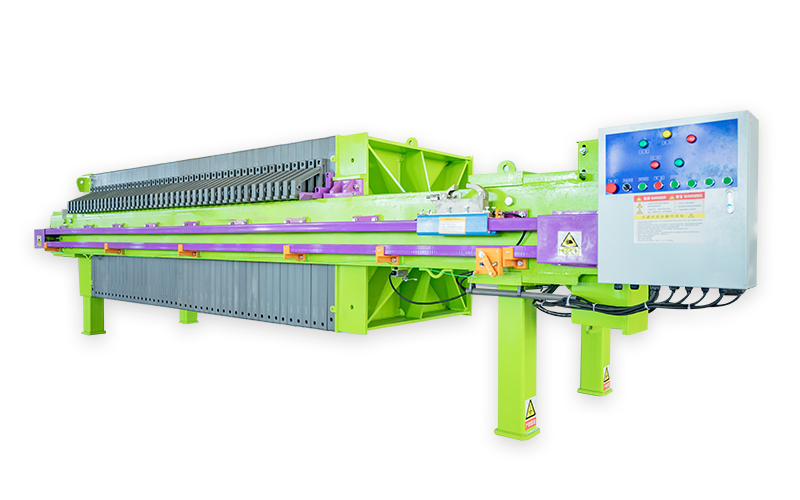
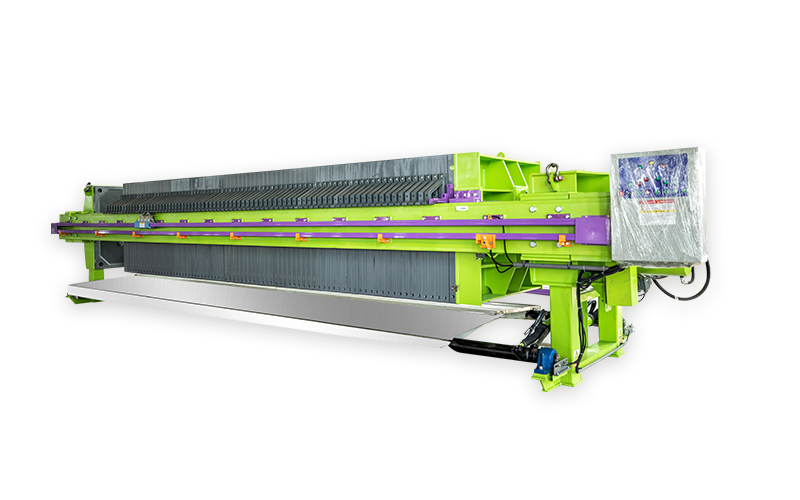
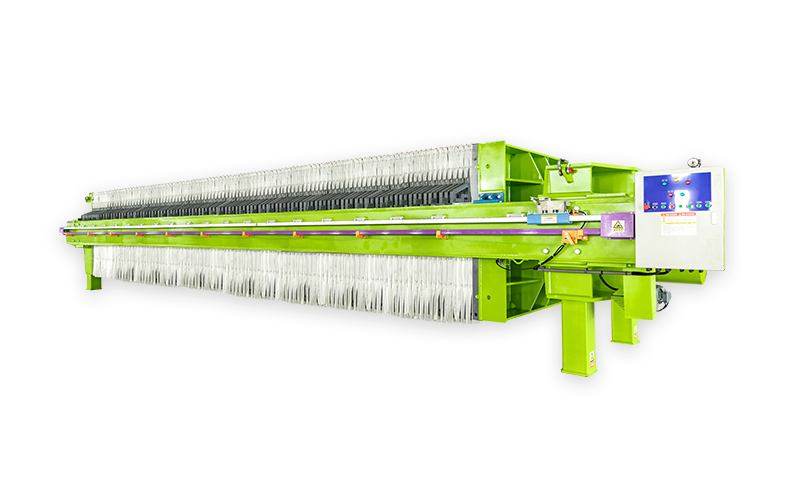
An 800mm filter press is a type of mechanical device designed to separate solids from liquids in wastewater applications. Utilizing pressure filtration, it works by forcing a slurry through a series of filter plates, which trap solid particles while allowing liquid to pass through. This process is essential for numerous industries, including food and beverage, pharmaceuticals, and mining, where efficient wastewater treatment is critical.
Key Components of an 800mm Filter Press
To fully appreciate how an 800mm filter press enhances wastewater treatment, it’s crucial to understand its primary components:
1. **Filter Plates**: These are the heart of the filter press, typically made from polypropylene or stainless steel, which provide the surface for solid-liquid separation.
2. **Frame**: The robust frame holds the filter plates in place, ensuring stability during operation.
3. **Hydraulic System**: This system exerts pressure on the filter plates, facilitating the separation process.
4. **Pumping System**: Pumps transport the slurry into the filter press, initiating the filtration process.
5. **Cake Discharge System**: Once filtration is complete, this system helps remove the accumulated solids or "cake" from the filter plates.
The Mechanism of Action in an 800mm Filter Press
Filtration Process Step-by-Step
The operation of an 800mm filter press involves several sequential steps:
1. **Slurry Introduction**: The wastewater slurry is pumped into the filter press.
2. **Filtration**: As the slurry enters, the hydraulic system compresses the plates, creating a chamber where solids are trapped, and the liquid is filtered out.
3. **Cake Formation**: Solid particles accumulate on the filter plates, forming a "cake" that continues to thicken with ongoing filtration.
4. **Cake Discharge**: After reaching a designated thickness, the hydraulic system reverses, allowing for the removal of the solid cake.
5. **Cleaning Cycle**: Finally, a cleaning cycle may be initiated to maintain the efficiency and lifespan of the filter press.
Benefits of Utilizing an 800mm Filter Press in Wastewater Treatment
Enhanced Filtration Efficiency
One of the primary advantages of the 800mm filter press is its ability to achieve high levels of filtration efficiency. By effectively separating solids from liquids, it minimizes the volume of wastewater sent for further treatment, reducing operational costs and environmental impact.
Cost-Effectiveness
Investing in an 800mm filter press can significantly lower overall wastewater management costs. The ability to produce dry cake reduces disposal costs, while the minimal maintenance requirements contribute to lower operational expenses over time.
Environmental Sustainability
By enhancing the efficiency of wastewater treatment, the 800mm filter press plays a crucial role in promoting environmental sustainability. Improved filtration leads to cleaner effluent discharge, which is vital for protecting local water bodies and ecosystems.
Versatility Across Industries
The 800mm filter press is versatile and can be tailored to meet the specific needs of various industries. Whether it's sludges from municipal treatment plants or industrial effluents from manufacturing processes, this equipment can handle a wide range of applications.
Applications of 800mm Filter Press in Different Industries
Municipal Wastewater Treatment
In municipal wastewater treatment facilities, the 800mm filter press is invaluable for dewatering sludge. By efficiently separating water from solids, it enhances the treatment process and prepares the sludge for safe disposal or further processing.
Food and Beverage Industry
In the food and beverage sector, an 800mm filter press is used to clarify and purify wastewater generated during production processes. This not only ensures compliance with environmental regulations but also contributes to water recovery processes.
Mining and Mineral Processing
Mining operations often generate substantial volumes of slurry waste. The 800mm filter press effectively separates valuable minerals from waste materials, enabling resource recovery while minimizing environmental impact.
Maintenance and Care for 800mm Filter Presses
Routine Maintenance Practices
To ensure the longevity and efficiency of an 800mm filter press, regular maintenance is essential. This includes:
- **Periodic Inspections**: Regularly checking for any wear and tear on filter plates and seals.
- **Hydraulic System Checks**: Ensuring the hydraulic system is functioning properly to maintain pressure during operation.
- **Cleaning**: Implementing a cleaning schedule to remove any built-up solids or clogs that could affect performance.
Common Troubleshooting Tips
Occasional issues may arise during operation. Common troubleshooting tips include:
- **Monitoring Filtration Rate**: If the filtration rate decreases, inspect the filter plates for blockages.
- **Pressure Adjustments**: If pressure abnormalities are detected, check hydraulic connections and seals for leaks.
- **Cake Removal Issues**: For difficulties in cake discharge, ensure the discharge system is not obstructed and that the cake is not overly saturated.
Future Trends in Filter Press Technology
Innovations in Design and Functionality
As environmental regulations continue to tighten, the demand for efficient wastewater treatment solutions, such as the 800mm filter press, will only increase. Future trends may include:
- **Smart Technology Integration**: Incorporating sensors and automation for real-time monitoring and adjustment during operation.
- **Eco-Friendly Materials**: The development of more sustainable materials for filter plates and frames to enhance recyclability and reduce environmental footprints.
Conclusion
In conclusion, the **800mm filter press** represents a transformative technology in the field of wastewater treatment. Its ability to enhance efficiency, reduce costs, and promote sustainability makes it an indispensable tool for various industries. By understanding its mechanics, benefits, and applications, organizations can make informed decisions that not only improve their wastewater management practices but also contribute to a cleaner, healthier environment.
FAQs
1. What types of industries benefit the most from using an 800mm filter press?
Numerous industries benefit, including municipal wastewater treatment facilities, food and beverage sectors, and mining operations.
2. How does an 800mm filter press improve wastewater treatment efficiency?
The 800mm filter press enhances efficiency by effectively separating solids from liquids, which reduces the volume of wastewater needing further treatment.
3. What maintenance is required for an 800mm filter press?
Routine inspections, cleaning, and checks on the hydraulic system are essential for maintaining optimal performance.
4. Can an 800mm filter press handle different types of slurries?
Yes, it is versatile and can be adapted for various slurries, including municipal sludge and industrial effluents.
5. What innovations are expected in the future for filter press technology?
Future innovations may include smart technology integration for real-time monitoring and the use of eco-friendly materials for construction.
Previous:
We sincerely look forward to cooperating with you!
Customized Filtration System Overall Solution
Contact Us
Contact Information
Nan Development Zone, Jingxian County, Hengshui City, Hebei Province
Online Consultation
If you are interested in our products, please leave your email address, and we will contact you as soon as possible. Thank you!