

Understanding the Functionality and Benefits of a 500mm Filter Press in Industrial Applications
Jun 21,2026


The 500mm filter press is an integral component in many industrial filtration processes, especially in applications that require the removal of solids from liquids. This equipment works by utilizing a series of plates and frames, where a slurry is pumped into the press. The pressure applied forces the liquid through the filter media, leaving behind solid residues. This method is highly effective f
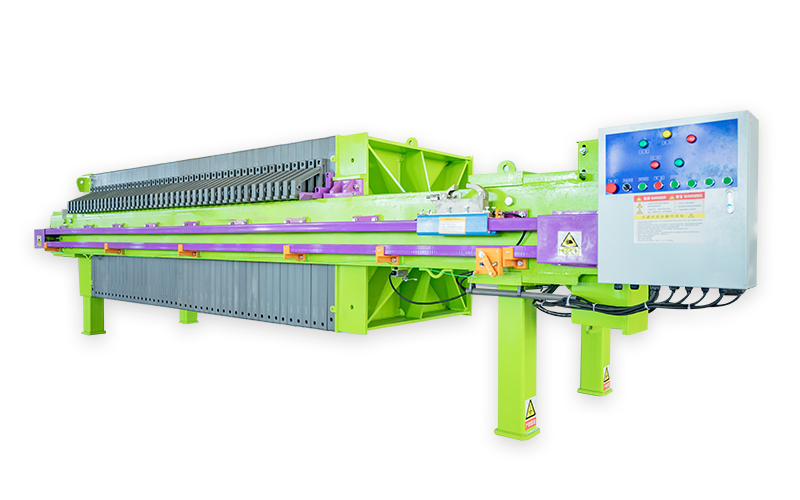
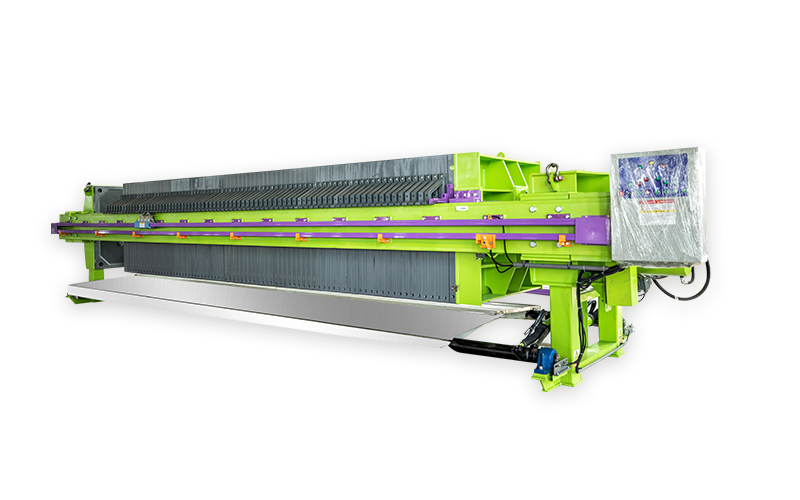
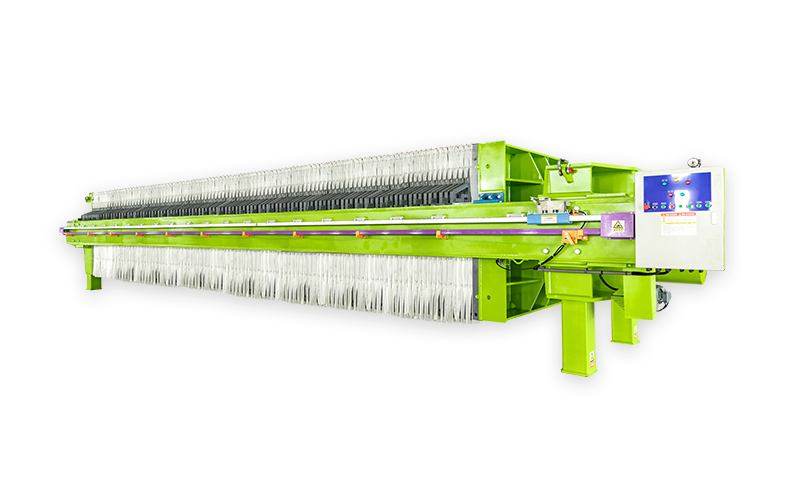
The 500mm filter press is an integral component in many industrial filtration processes, especially in applications that require the removal of solids from liquids. This equipment works by utilizing a series of plates and frames, where a slurry is pumped into the press. The pressure applied forces the liquid through the filter media, leaving behind solid residues. This method is highly effective for achieving a high degree of separation, making filter presses crucial in industries ranging from wastewater treatment to food and beverage processing.
One of the significant advantages of a 500mm filter press is its efficiency. The compact design allows for a smaller footprint, making it suitable for facilities where space is a constraint. Despite its size, the 500mm filter press can handle substantial volumes of slurry, often outperforming larger units in terms of filtration speed and cake dryness. The ability to produce dryer cakes means reduced disposal costs and increased recovery of valuable materials.
Moreover, the 500mm filter press is known for its versatility. It can be used in various applications, including mineral processing, chemical manufacturing, and even pharmaceuticals. By adjusting the filter media and operational parameters, users can tailor the press to meet specific filtration requirements, ensuring optimal performance across different materials and conditions.
Maintenance of a 500mm filter press is relatively straightforward, but it is essential to follow a regular schedule to ensure longevity and efficient operation. Routine checks on the hydraulic system, filter cloths, and discharge mechanisms can prevent downtime and costly repairs. Understanding the lifecycle of the filter cloths and scheduling timely replacements will also help maintain the press's performance.
In terms of operational parameters, the pressure applied during the filtration process is crucial. Operators must carefully monitor the pressure to avoid cake compression, which can lead to reduced filtration efficiency. Additionally, the cycle time of the filter press can vary depending on the nature of the feed material, making it vital to fine-tune the process for optimal results.
In conclusion, a 500mm filter press is an invaluable asset in industrial filtration processes. Its efficiency, versatility, and ease of maintenance make it a popular choice for various applications. By understanding its operational mechanisms and best practices, industries can leverage the benefits of this filtration equipment to improve productivity and reduce operational costs. Whether it's for water treatment, mineral processing, or any other application, a 500mm filter press can significantly enhance the filtration process and contribute to overall operational excellence.
One of the significant advantages of a 500mm filter press is its efficiency. The compact design allows for a smaller footprint, making it suitable for facilities where space is a constraint. Despite its size, the 500mm filter press can handle substantial volumes of slurry, often outperforming larger units in terms of filtration speed and cake dryness. The ability to produce dryer cakes means reduced disposal costs and increased recovery of valuable materials.
Moreover, the 500mm filter press is known for its versatility. It can be used in various applications, including mineral processing, chemical manufacturing, and even pharmaceuticals. By adjusting the filter media and operational parameters, users can tailor the press to meet specific filtration requirements, ensuring optimal performance across different materials and conditions.
Maintenance of a 500mm filter press is relatively straightforward, but it is essential to follow a regular schedule to ensure longevity and efficient operation. Routine checks on the hydraulic system, filter cloths, and discharge mechanisms can prevent downtime and costly repairs. Understanding the lifecycle of the filter cloths and scheduling timely replacements will also help maintain the press's performance.
In terms of operational parameters, the pressure applied during the filtration process is crucial. Operators must carefully monitor the pressure to avoid cake compression, which can lead to reduced filtration efficiency. Additionally, the cycle time of the filter press can vary depending on the nature of the feed material, making it vital to fine-tune the process for optimal results.
In conclusion, a 500mm filter press is an invaluable asset in industrial filtration processes. Its efficiency, versatility, and ease of maintenance make it a popular choice for various applications. By understanding its operational mechanisms and best practices, industries can leverage the benefits of this filtration equipment to improve productivity and reduce operational costs. Whether it's for water treatment, mineral processing, or any other application, a 500mm filter press can significantly enhance the filtration process and contribute to overall operational excellence.
Previous:
We sincerely look forward to cooperating with you!
Customized Filtration System Overall Solution
Contact Us
Contact Information
Nan Development Zone, Jingxian County, Hengshui City, Hebei Province
Online Consultation
If you are interested in our products, please leave your email address, and we will contact you as soon as possible. Thank you!