

How to Choose the Perfect 2000mm Filter Press for Your Needs
Jun 02,2026


How to Choose the Perfect 2000mm Filter Press for Your Needs
Table of Contents
- Understanding Filter Presses
- The Importance of the 2000mm Filter Press
- Key Features to Consider When Choosing a 2000mm Filter Press
- Types of Filter Presses Available
- Common Applications for 2000mm Filter Presses
- Evaluating Performance and Efficiency
- Maintenance Tips for Your Filter Press
- Frequently Asked Questions
Understanding Filter Presses
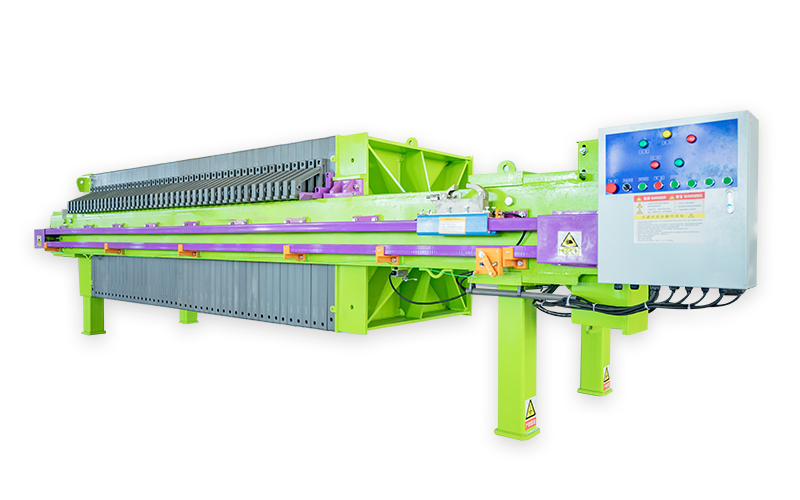
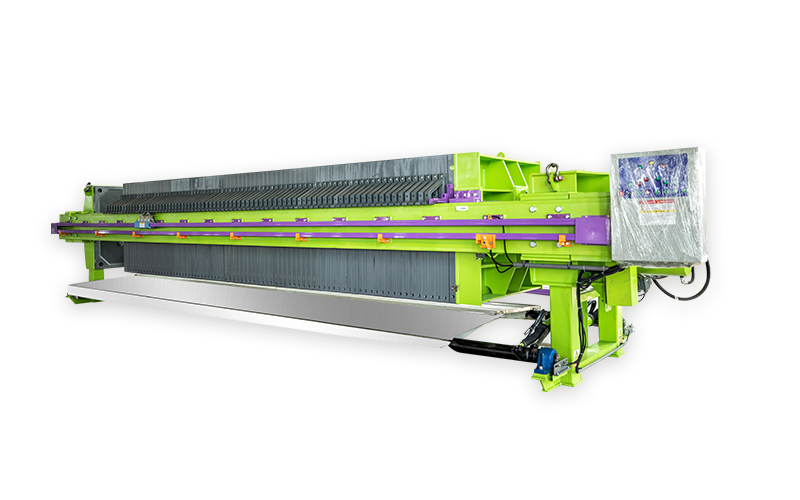
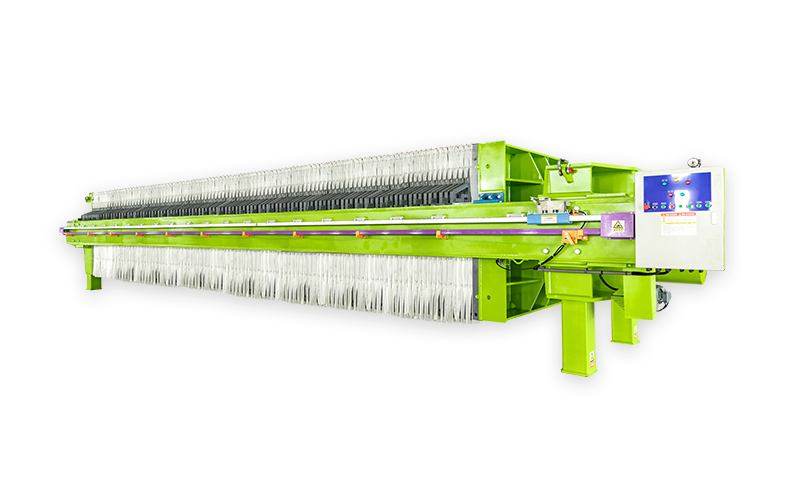
A filter press is a crucial piece of industrial equipment that separates solids from liquids in a variety of processes. It operates through a series of filtration cycles, where slurry is pumped into the press, allowing the liquid to escape while leaving the solid content trapped in the filter cloth. The result is a dry cake of solids that can be easily discarded or further processed. Understanding how a filter press operates is essential in identifying the right specifications you need for your unique application.
The Importance of the 2000mm Filter Press
The 2000mm filter press stands out in the industrial sector due to its scalability and operational efficiency. With its larger plate size, it can handle greater volumes of slurry, making it ideal for industries such as mining, wastewater treatment, and food processing. The increased surface area allows for more effective filtration, ensuring that you achieve the desired clarity and dryness in the final product.
Key Features to Consider When Choosing a 2000mm Filter Press
When selecting a 2000mm filter press, several key features should be considered to ensure you make the best choice:
1. Plate Material and Design
The choice of plate material—be it polypropylene, stainless steel, or cast iron—can significantly affect the lifespan and performance of the filter press. Polypropylene is lightweight and resistant to corrosion, making it ideal for chemical applications, while stainless steel offers durability for high-temperature processes.
2. Hydraulic System
The hydraulic system is crucial for the operation of the filter press. A robust hydraulic system ensures consistent pressure during filtration, enhancing performance and reducing downtime. Opt for a filter press with adjustable pressure settings to accommodate varying material types.
3. Cake Discharge Mechanism
Efficient cake discharge is critical for maintaining operational flow. Look for features such as automatic cake discharge systems, which can minimize manual labor and increase productivity. Some models offer options for pneumatic or mechanical discharge mechanisms.
4. Filter Cloth Quality
The type of filter cloth used can greatly influence the filtration process. High-quality, durable cloths with appropriate pore sizes for your application can enhance filtration rates and improve cake dryness. Always consider cloth material and compatibility with the type of slurry being processed.
5. Control System
A user-friendly control system is invaluable for monitoring performance metrics such as pressure, flow rate, and cycle time. Advanced systems may offer automated functions that streamline operation and reduce the likelihood of human error.
Types of Filter Presses Available
Understanding the different types of filter presses available can help you choose the right one for your needs:
1. Manual Filter Press
Manual filter presses require operators to manually load the slurry and monitor the filtration process. While they are cost-effective, they demand more labor and attention, making them suitable for smaller operations.
2. Semi-Automatic Filter Press
Semi-automatic presses bridge the gap between manual and fully automatic systems. They incorporate some automation, like hydraulic closing, but still require human intervention during loading and unloading.
3. Fully Automatic Filter Press
Fully automatic filter presses are ideal for large-scale operations. These systems handle loading, filtration, and cake discharge automatically, making them efficient and reducing labor costs significantly.
Common Applications for 2000mm Filter Presses
2000mm filter presses are versatile and find applications across various industries:
1. Mining and Metallurgy
In the mining industry, filter presses are used for dewatering slurries, recovering valuable minerals, and producing dry tailings, which can significantly reduce environmental impact.
2. Wastewater Treatment
Municipal and industrial wastewater treatment facilities utilize 2000mm filter presses to remove solids from wastewater, ensuring compliance with environmental regulations prior to discharge.
3. Food and Beverage Industry
In the food processing sector, these filter presses can clarify juices, oils, and other liquids, maintaining quality while ensuring the removal of impurities and contaminants.
4. Chemical Processing
The chemical industry uses filter presses for the separation of solid-liquid mixtures in various processes, ensuring high purity levels and preventing contamination.
Evaluating Performance and Efficiency
To ensure that your chosen 2000mm filter press meets your operational needs, it's vital to evaluate its performance and efficiency:
1. Filtration Rate
The filtration rate is a critical metric that determines how quickly the press can process slurry. High filtration rates lead to increased productivity and reduced operational costs.
2. Cake Moisture Content
Assess the moisture content of the discharged cake. The lower the moisture content, the more efficient the filtration process. This is crucial for reducing disposal costs and improving recovery rates.
3. Cycle Time
Cycle time refers to the total time taken for one complete filtration cycle. Optimizing cycle time can significantly boost production rates, so it's essential to choose a filter press that can operate efficiently.
4. Maintenance Intervals
Regular maintenance is key to ensuring longevity and consistent performance. Evaluate how often the filter press requires maintenance and the complexity of these tasks to minimize downtime.
Maintenance Tips for Your Filter Press
To keep your 2000mm filter press functioning optimally, follow these maintenance tips:
1. Regular Inspection
Conduct routine inspections to identify wear and tear, especially on filter cloths and hydraulic components. Look for any signs of leaks or unusual noises during operation.
2. Cleaning Protocols
Implement cleaning protocols after each use. Proper cleaning prevents clogging and extends the life of the filter cloth. Consider using automated cleaning systems if available.
3. Lubrication
Ensure that moving parts are adequately lubricated to prevent friction and wear. Regular lubrication will enhance the lifespan of the hydraulic system and mechanical components.
4. Training Operators
Training operators on best practices for using the filter press can minimize errors and improve efficiency. Ensure they understand the specific requirements of your operation.
Frequently Asked Questions
1. What is the typical lifespan of a 2000mm filter press?
The lifespan can vary based on usage and maintenance, but with proper care, a filter press can last anywhere from 10 to 20 years.
2. How do I determine the right filter cloth for my application?
Choosing the right filter cloth depends on the type of slurry being processed, the desired filtration rate, and the final cake dryness requirements.
3. Are 2000mm filter presses energy efficient?
Yes, many modern 2000mm filter presses are designed with energy efficiency in mind, utilizing advanced hydraulic systems that minimize energy consumption.
4. What factors affect the filtration rate of a filter press?
Factors include the slurry's viscosity, the filter cloth's characteristics, applied pressure, and the design of the filter press itself.
5. Can a filter press be used for different types of materials?
Yes, filter presses can be used for various materials, but it’s essential to select the appropriate configuration and materials to match the specific properties of the slurry being filtered.
Conclusion
Selecting the perfect 2000mm filter press for your needs requires careful consideration of various features, applications, and maintenance practices. By understanding the key factors outlined in this guide, you can make an informed decision that not only enhances your operational efficiency but also aligns with your specific filtering requirements. A well-chosen filter press will lead to improved productivity and cost-effectiveness in your industrial processes, allowing you to focus on what matters most—growing your business.
Previous:
We sincerely look forward to cooperating with you!
Customized Filtration System Overall Solution
Contact Us
Contact Information
Nan Development Zone, Jingxian County, Hengshui City, Hebei Province
Online Consultation
If you are interested in our products, please leave your email address, and we will contact you as soon as possible. Thank you!