

Maximizing Efficiency with 1500 Filter Press for Sludge Dewatering
Jun 01,2026


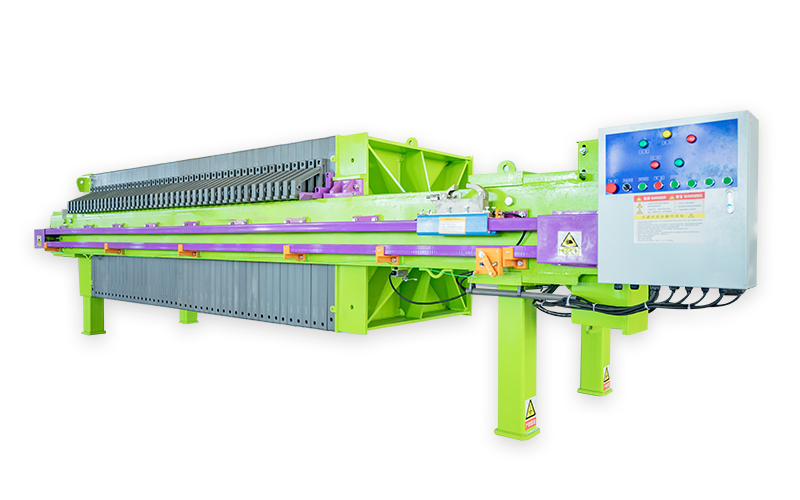
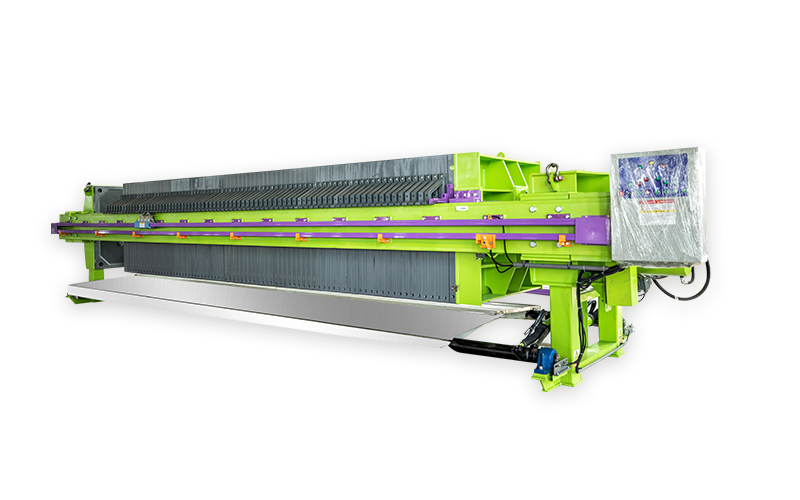
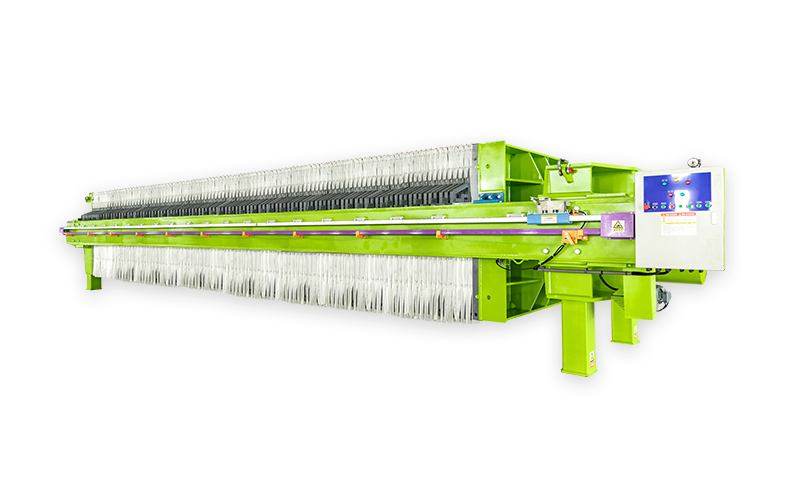
The 1500 filter press is a pivotal piece of equipment in the realm of sludge dewatering, particularly within industries that generate significant waste such as wastewater treatment, mining, and food processing. This press is designed to separate solids from liquids, resulting in a dryer cake that is easier to handle and dispose of, while also reducing the volume of sludge significantly.
One of the
The 1500 filter press is a pivotal piece of equipment in the realm of sludge dewatering, particularly within industries that generate significant waste such as wastewater treatment, mining, and food processing. This press is designed to separate solids from liquids, resulting in a dryer cake that is easier to handle and dispose of, while also reducing the volume of sludge significantly.
One of the primary advantages of using a 1500 filter press is its efficiency in processing large volumes of sludge. The press operates by utilizing high pressure to squeeze water out of the sludge, which is contained within filter cloths. This mechanism ensures that the residual moisture in the cake is minimized, often achieving a final moisture content of less than 30%. As a result, businesses can experience not only lower disposal costs but also a reduced environmental footprint.
In addition, the design of the 1500 filter press allows for customization based on specific requirements. Factors such as plate size, material type, and filtration area can be tailored to optimize performance for different sludge types. This flexibility is crucial in industries where sludge characteristics can vary greatly, ensuring that the equipment remains effective regardless of the incoming feed.
Maintenance is another critical aspect to consider. Regular upkeep of the filter press, including cleaning the filter cloths and monitoring for wear and tear on the hydraulic system, is essential for sustaining operational efficiency. Implementing a preventive maintenance schedule can mitigate unexpected downtimes, ensuring continuous operation and cost-effectiveness.
Moreover, automation features are becoming increasingly prevalent in modern filter presses. Integrating automated controls for feeding, cake discharge, and pressure monitoring can significantly enhance the dewatering process. Such advancements minimize human error, improve safety, and streamline operations, enabling personnel to focus on other critical tasks.
It is also worth noting the importance of understanding the characteristics of the sludge prior to implementation. Conducting thorough tests can provide insights into the optimal operating conditions and help in selecting the right filter press configuration. This proactive approach not only maximizes performance but also extends the lifespan of the equipment.
In conclusion, the 1500 filter press for sludge dewatering is an invaluable asset for industries aiming to enhance their waste management processes. By focusing on efficiency, customization, maintenance, automation, and thorough testing, businesses can significantly improve their sludge handling operations, leading to cost savings and a more sustainable approach to waste disposal. Embracing these technologies not only meets regulatory requirements but also aligns with the growing emphasis on environmental responsibility within industrial practices.
One of the primary advantages of using a 1500 filter press is its efficiency in processing large volumes of sludge. The press operates by utilizing high pressure to squeeze water out of the sludge, which is contained within filter cloths. This mechanism ensures that the residual moisture in the cake is minimized, often achieving a final moisture content of less than 30%. As a result, businesses can experience not only lower disposal costs but also a reduced environmental footprint.
In addition, the design of the 1500 filter press allows for customization based on specific requirements. Factors such as plate size, material type, and filtration area can be tailored to optimize performance for different sludge types. This flexibility is crucial in industries where sludge characteristics can vary greatly, ensuring that the equipment remains effective regardless of the incoming feed.
Maintenance is another critical aspect to consider. Regular upkeep of the filter press, including cleaning the filter cloths and monitoring for wear and tear on the hydraulic system, is essential for sustaining operational efficiency. Implementing a preventive maintenance schedule can mitigate unexpected downtimes, ensuring continuous operation and cost-effectiveness.
Moreover, automation features are becoming increasingly prevalent in modern filter presses. Integrating automated controls for feeding, cake discharge, and pressure monitoring can significantly enhance the dewatering process. Such advancements minimize human error, improve safety, and streamline operations, enabling personnel to focus on other critical tasks.
It is also worth noting the importance of understanding the characteristics of the sludge prior to implementation. Conducting thorough tests can provide insights into the optimal operating conditions and help in selecting the right filter press configuration. This proactive approach not only maximizes performance but also extends the lifespan of the equipment.
In conclusion, the 1500 filter press for sludge dewatering is an invaluable asset for industries aiming to enhance their waste management processes. By focusing on efficiency, customization, maintenance, automation, and thorough testing, businesses can significantly improve their sludge handling operations, leading to cost savings and a more sustainable approach to waste disposal. Embracing these technologies not only meets regulatory requirements but also aligns with the growing emphasis on environmental responsibility within industrial practices.
We sincerely look forward to cooperating with you!
Customized Filtration System Overall Solution
Contact Us
Contact Information
Nan Development Zone, Jingxian County, Hengshui City, Hebei Province
Online Consultation
If you are interested in our products, please leave your email address, and we will contact you as soon as possible. Thank you!