

Innovative Wastewater Solutions: The 1250 Filter Press Explained
May 18,2026


Innovative Wastewater Solutions: The 1250 Filter Press Explained
Table of Contents
1. Introduction to Wastewater Management
2. Understanding the 1250 Filter Press
2.1 How the 1250 Filter Press Works
2.2 Key Design Features of the 1250 Filter Press
3. Applications of the 1250 Filter Press
3.1 Industria
Innovative Wastewater Solutions: The 1250 Filter Press Explained
Table of Contents
- 1. Introduction to Wastewater Management
- 2. Understanding the 1250 Filter Press
- 3. Applications of the 1250 Filter Press
- 4. Advantages of Using the 1250 Filter Press
- 5. Maintenance and Care for the 1250 Filter Press
- 6. Frequently Asked Questions
- 7. Conclusion
1. Introduction to Wastewater Management
Wastewater management has become increasingly crucial in today's industrial landscape. With rising environmental concerns, companies are seeking effective solutions that not only manage wastewater but also enhance sustainability. The **1250 Filter Press** emerges as a standout technology in this domain. This article will delve into its mechanisms, applications, benefits, and maintenance practices, offering a comprehensive overview for industries looking to optimize their wastewater treatment processes.
2. Understanding the 1250 Filter Press
2.1 How the 1250 Filter Press Works
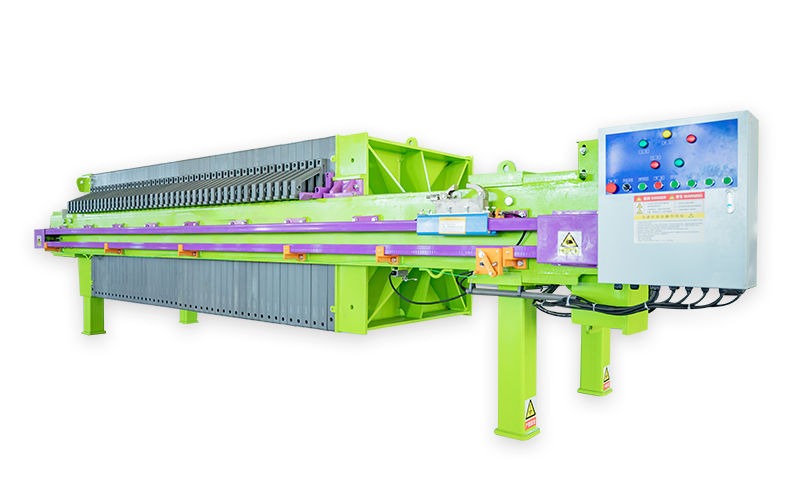
The **1250 Filter Press** operates on a simple yet effective principle of **solid-liquid separation** through pressure filtration. It consists of a series of plates and frames that create chambers when closed. As wastewater is pumped into these chambers, the pressure forces the liquid through the filter medium, leaving behind solid particles that are retained in the press. This process not only purifies the water but also allows for the recovery of valuable solids.
2.2 Key Design Features of the 1250 Filter Press
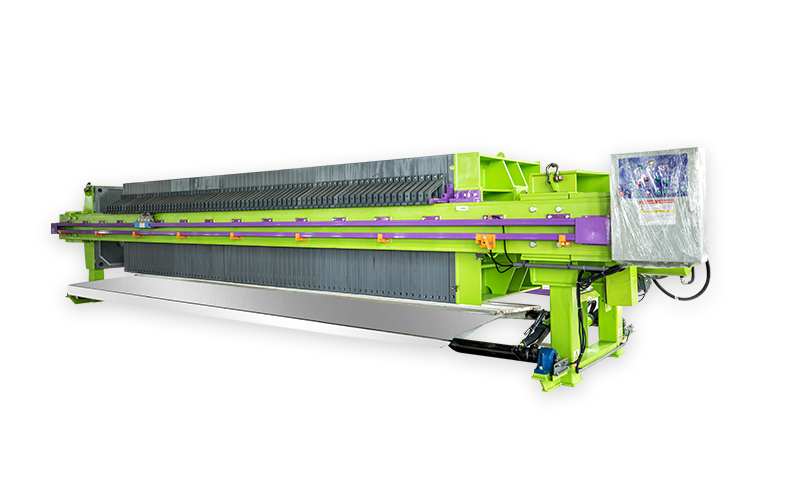
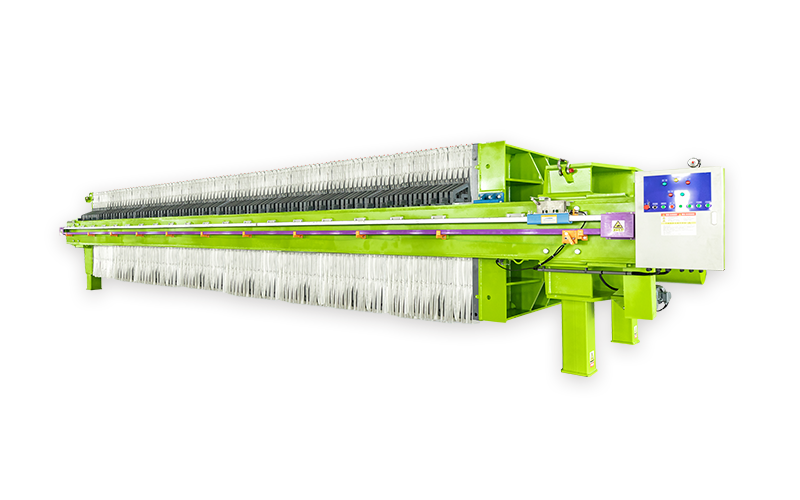
The design of the **1250 Filter Press** incorporates several innovative features that enhance its performance:
- **Robust Frame Construction:** Built with high-quality materials, the frame provides stability and longevity.
- **Efficient Filtration Media:** The choice of filter cloths is critical, allowing for efficient removal of solids while enabling easy cake discharge.
- **Automated Control Systems:** Advanced control systems facilitate monitoring and operation, ensuring optimal performance without the need for constant manual intervention.
3. Applications of the 1250 Filter Press
3.1 Industrial Use Cases
The **1250 Filter Press** is versatile and finds applications across various industries:
- **Mining and Mineral Processing:** It effectively separates minerals from water, enhancing recovery rates.
- **Food and Beverage Production:** Used to clarify liquids, ensuring product quality and safety.
- **Pharmaceuticals:** Assists in the separation of active ingredients from wastewater, maintaining compliance with regulations.
3.2 Environmental Benefits
Using the **1250 Filter Press** contributes to environmental sustainability. By effectively reducing pollutants in wastewater before discharge, companies can minimize their ecological footprint. Moreover, the recovered solids can often be repurposed or sold, further promoting a circular economy.
4. Advantages of Using the 1250 Filter Press
4.1 Enhanced Operational Efficiency
One of the standout features of the **1250 Filter Press** is its ability to increase operational efficiency. The rapid separation process reduces processing times, allowing for greater throughput. Companies can handle larger volumes of wastewater in shorter periods, which translates to enhanced productivity.
4.2 Cost-Effectiveness
Beyond efficiency, the **1250 Filter Press** offers significant cost savings. With reduced energy consumption and minimal maintenance requirements, companies can lower their overall operational expenses. Additionally, the ability to recover solids can lead to substantial revenue generation, making this equipment a valuable investment.
5. Maintenance and Care for the 1250 Filter Press
Proper maintenance of the **1250 Filter Press** ensures longevity and optimal performance. Regular checks on the hydraulic system, filter cloth integrity, and plate alignment are essential. It is advisable to develop a maintenance schedule that includes cleaning the press after each cycle and inspecting for wear and tear. By following these guidelines, operators can prevent costly downtime and extend the equipment's lifespan.
6. Frequently Asked Questions
What is a filter press used for in wastewater treatment?
A filter press is primarily used for solid-liquid separation in wastewater treatment processes, allowing for the removal of contaminants and recovery of valuable solids.
How does the 1250 Filter Press compare to other filtration systems?
The 1250 Filter Press is known for its high efficiency, robust design, and cost-effectiveness compared to other filtration systems, making it a preferred choice for many industries.
What maintenance is required for the 1250 Filter Press?
Regular maintenance includes inspecting the hydraulic system, checking filter cloths, and ensuring proper alignment of plates to maintain optimal performance.
Can the 1250 Filter Press handle various types of wastewater?
Yes, the 1250 Filter Press is versatile and can handle different types of wastewater, including those from mining, food processing, and pharmaceuticals.
What are the environmental benefits of using a filter press?
Using a filter press significantly reduces pollutants in wastewater, helps recover valuable solids, and supports a sustainable approach to wastewater management.
7. Conclusion
The **1250 Filter Press** stands out as an innovative solution for wastewater management, offering enhanced efficiency, cost savings, and environmental benefits. Its robust design and versatile applications make it an indispensable tool for industries seeking to improve their wastewater treatment processes. By understanding its mechanisms and advantages, businesses can optimize their operations while contributing to a more sustainable future. Investing in the **1250 Filter Press** not only enhances productivity but also aligns with the growing emphasis on environmental responsibility.
We sincerely look forward to cooperating with you!
Customized Filtration System Overall Solution
Contact Us
Contact Information
Nan Development Zone, Jingxian County, Hengshui City, Hebei Province
Online Consultation
If you are interested in our products, please leave your email address, and we will contact you as soon as possible. Thank you!