

Maximize Efficiency with the Right 2000mm Filter Press: A Comprehensive Guide
May 18,2026


Maximize Efficiency with the Right 2000mm Filter Press
Table of Contents
1. Introduction to 2000mm Filter Press
2. What is a Filter Press?
3. Benefits of Using a 2000mm Filter Press
4. How a 2000mm Filter Press Works
5. Applications of 2000mm Filter Press
6. Factors to Consider When Choosing a 2000mm Filter Press
7. Operational Tips for Maximizing Efficiency
8. Mai
Maximize Efficiency with the Right 2000mm Filter Press
Table of Contents
- 1. Introduction to 2000mm Filter Press
- 2. What is a Filter Press?
- 3. Benefits of Using a 2000mm Filter Press
- 4. How a 2000mm Filter Press Works
- 5. Applications of 2000mm Filter Press
- 6. Factors to Consider When Choosing a 2000mm Filter Press
- 7. Operational Tips for Maximizing Efficiency
- 8. Maintenance and Care of Your Filter Press
- 9. FAQs about 2000mm Filter Press
- 10. Conclusion
1. Introduction to 2000mm Filter Press
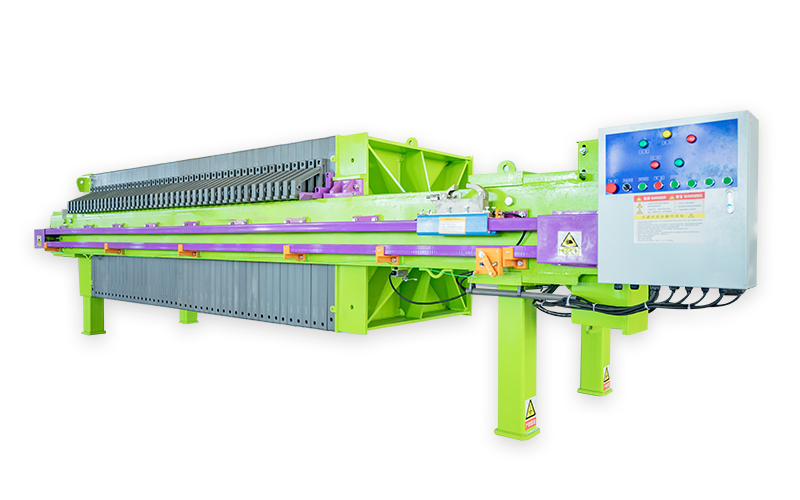
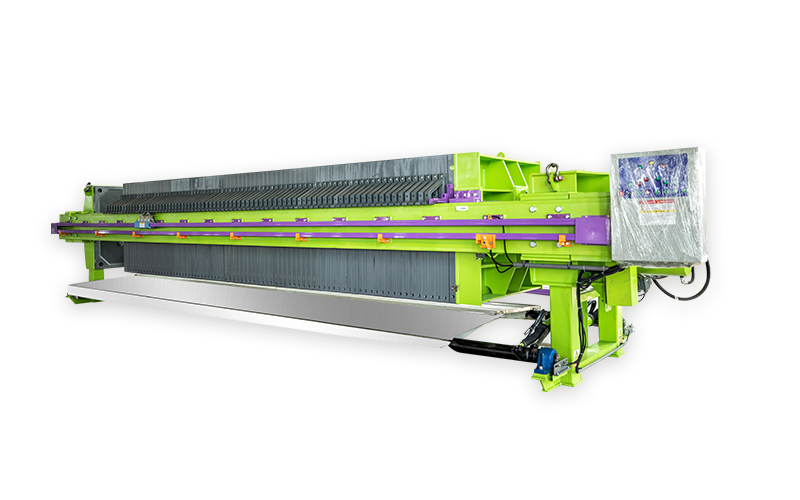
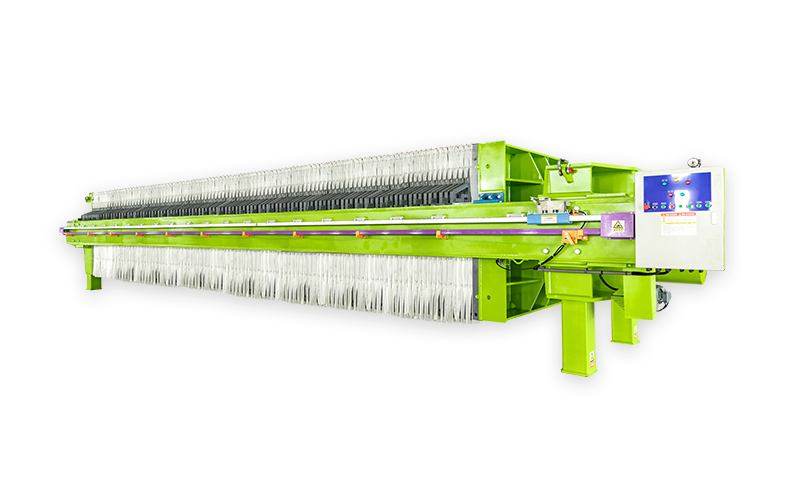
In the realm of industrial filtration, the **2000mm filter press** stands out as a powerhouse of efficiency and effectiveness. Designed to separate liquids from solids, this equipment is indispensable in various sectors, including mining, chemical processing, and wastewater treatment. As industries strive for **optimal operational efficiency**, understanding the capabilities and advantages of the 2000mm filter press is essential for enhancing production processes.
2. What is a Filter Press?
A **filter press** is a mechanical device used to separate solids from liquids through the use of filter cloths. By applying high pressure, it forces the liquid to pass through the filter medium while retaining the solids, resulting in a **cake of solids** and **clear filtrate**. This process is crucial for industries that need to manage waste while maximizing resource recovery.
Types of Filter Presses
There are several types of filter presses, but the **2000mm filter press** is particularly favored for its large capacity and efficiency. Other types include:
- **Membrane filter presses**: Utilize a membrane that further compresses the cake, enhancing solid recovery.
- **Plate and frame filter presses**: Feature plates and frames that can be adjusted for varying thicknesses of the filter cake.
3. Benefits of Using a 2000mm Filter Press
Implementing a **2000mm filter press** in your operations can lead to numerous benefits:
Enhanced Efficiency
With larger plates and a higher processing capacity, the **2000mm filter press** can handle significant volumes of material, thus increasing throughput and reducing processing times.
Cost-Effective Operation
By maximizing solid recovery and minimizing waste, industries can significantly reduce operational costs. The efficiency of the 2000mm filter press leads to lower energy consumption and reduced labor.
Improved Filtration Quality
The high-pressure operation results in a **drier cake** and clearer filtrate, which is essential for industries that require high-quality outputs.
Versatility Across Industries
The 2000mm filter press is adaptable for various applications, including:
- Mining and metallurgy
- Chemical processing
- Food and beverage production
- Wastewater treatment
4. How a 2000mm Filter Press Works
Understanding the operational mechanism of a **2000mm filter press** is critical for maximizing its efficiency. The filtration process can be broken down into several stages:
1. Filling Phase
The slurry is pumped into the filter press, filling the chambers formed by the filter plates.
2. Filtration Phase
Once the chambers are full, pressure is applied, forcing the liquid through the filter cloth. The solids are retained, forming a filter cake.
3. Cake Washing (Optional)
In some applications, washing the filter cake can be beneficial to enhance the quality of the recovered solids.
4. Cake Discharge
After filtration, the plates are opened, and the dried cake can be removed easily.
5. Applications of 2000mm Filter Press
The versatility of the **2000mm filter press** makes it suitable for a vast range of applications:
Mining and Metallurgy
In the mining sector, filter presses are crucial for dewatering concentrates and tailings, allowing for better recovery of minerals while minimizing environmental impact.
Chemical Processing
Chemical manufacturers utilize filter presses for separating catalysts and other solids from liquids, ensuring the purity and quality of their products.
Food and Beverage Industry
In food processing, filter presses are employed to clarify juices and other liquids, providing a clear and visually appealing product.
Wastewater Treatment
For wastewater treatment facilities, the 2000mm filter press is vital in separating solids from effluent, enabling compliance with environmental regulations.
6. Factors to Consider When Choosing a 2000mm Filter Press
Selecting the right **2000mm filter press** requires careful consideration of various factors:
1. Material Characteristics
Understand the characteristics of the material you will be filtering, including viscosity, particle size, and concentration, to select an appropriate filter cloth and design.
2. Desired Dewatering Performance
Different applications may require varying levels of dryness for the filter cake. Be clear about your performance expectations.
3. Space and Installation
Ensure that your facility can accommodate the dimensions of the filter press and that there is adequate space for operation and maintenance.
4. Maintenance Requirements
Consider the ease of maintenance and access to parts when choosing a model. Regular maintenance is essential for long-term efficiency.
5. Cost Considerations
Evaluate both the initial investment and the ongoing operational costs to determine the most cost-effective option for your needs.
7. Operational Tips for Maximizing Efficiency
To ensure that your **2000mm filter press** operates at peak efficiency, consider the following operational tips:
1. Regular Monitoring
Keep an eye on the performance metrics of your filter press, including flow rates and cake moisture content, to quickly address any issues.
2. Optimize Slurry Preparation
Properly preparing the slurry can significantly affect filtration efficiency. Ensure the correct particle size and concentration are maintained.
3. Maintain High-Quality Filter Cloths
Regularly inspect and replace filter cloths to prevent clogging and ensure optimal filtration performance.
4. Use Proper Pressure Settings
Adjust the pressure settings according to the type of material being filtered to avoid damage to the filter press and enhance dewatering efficiency.
5. Train Your Operators
Invest in training for your operators to ensure they understand the intricacies of operating the filter press and can perform troubleshooting effectively.
8. Maintenance and Care of Your Filter Press
Proper maintenance is crucial for extending the lifespan and ensuring the reliability of your **2000mm filter press**. Follow these guidelines:
1. Routine Cleaning
Regularly clean the filter press to remove any leftover slurry, which can lead to wear and tear over time.
2. Check Mechanical Components
Inspect mechanical components, including pumps and valves, for wear and tear, and replace them as necessary.
3. Monitor Pressure Gauges
Keep an eye on pressure gauges and sensors to ensure they are functioning correctly, as they are vital for safe and efficient operation.
4. Schedule Professional Inspections
Engage professionals for periodic inspections to identify potential issues before they become major problems.
9. FAQs about 2000mm Filter Press
1. What is the typical lifespan of a 2000mm filter press?
The lifespan of a 2000mm filter press can range from 10 to 15 years, depending on usage and maintenance practices.
2. Can a 2000mm filter press be automated?
Yes, many modern filter presses can be automated to enhance efficiency and reduce labor costs.
3. What are common materials filtered by a 2000mm filter press?
Common materials include slurries from mining, chemical waste, food processing byproducts, and municipal wastewater.
4. How does a 2000mm filter press differ from other filter presses?
The primary difference lies in its size and capacity, with the 2000mm model designed for larger volumes and higher efficiency.
5. What maintenance is required for optimal performance?
Regular cleaning, inspection, and timely replacement of worn parts are essential for maintaining optimal performance.
10. Conclusion
Investing in the right **2000mm filter press** can dramatically enhance your operational efficiency. By understanding its benefits, operational mechanisms, and maintenance needs, you can position your business for success. Choosing the right equipment, optimizing its use, and maintaining it diligently will ensure that your filtration processes remain efficient and effective, ultimately leading to increased productivity and profitability in your industry.
We sincerely look forward to cooperating with you!
Customized Filtration System Overall Solution
Contact Us
Contact Information
Nan Development Zone, Jingxian County, Hengshui City, Hebei Province
Online Consultation
If you are interested in our products, please leave your email address, and we will contact you as soon as possible. Thank you!