

Maximize Efficiency with 800mm Filter Press Solutions for Industrial Applications
May 14,2026


Maximize Efficiency with 800mm Filter Press Solutions
Introduction to 800mm Filter Press Solutions
In the world of industrial filtration, efficiency is paramount. The 800mm filter press is at the forefront of this technology, designed to tackle demanding applications while maximizing productivity. This article delves into the intricacies of 800mm filter presses, examining their components, ope
Maximize Efficiency with 800mm Filter Press Solutions
Introduction to 800mm Filter Press Solutions
In the world of industrial filtration, efficiency is paramount. The 800mm filter press is at the forefront of this technology, designed to tackle demanding applications while maximizing productivity. This article delves into the intricacies of 800mm filter presses, examining their components, operational advantages, and practical applications across various industries.
Understanding the Basics of Filter Press Technology
Filter presses are vital equipment in industries that require solid-liquid separation. They operate on the principle of pressure-driven filtration, where a slurry is pumped into the filter press, and the liquid phase passes through filter cloths while the solids are retained within the chambers.
How 800mm Filter Presses Work
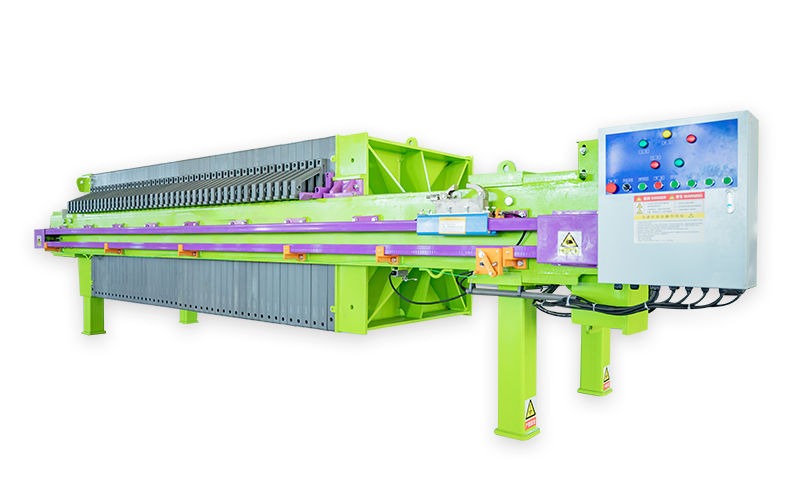
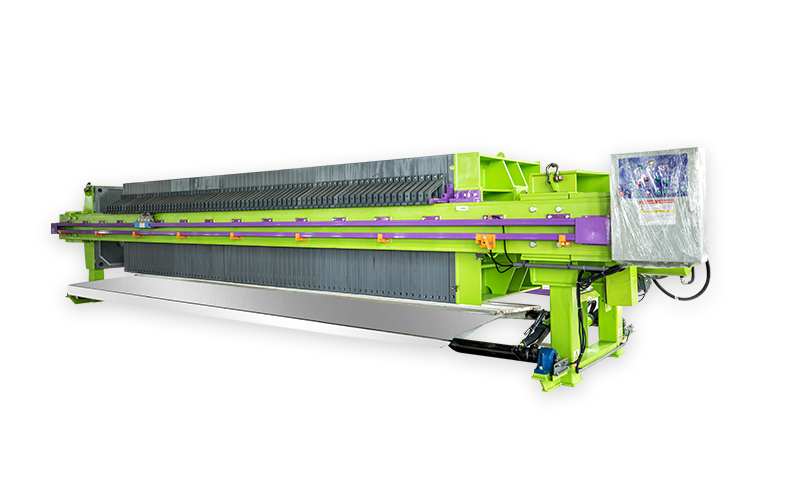
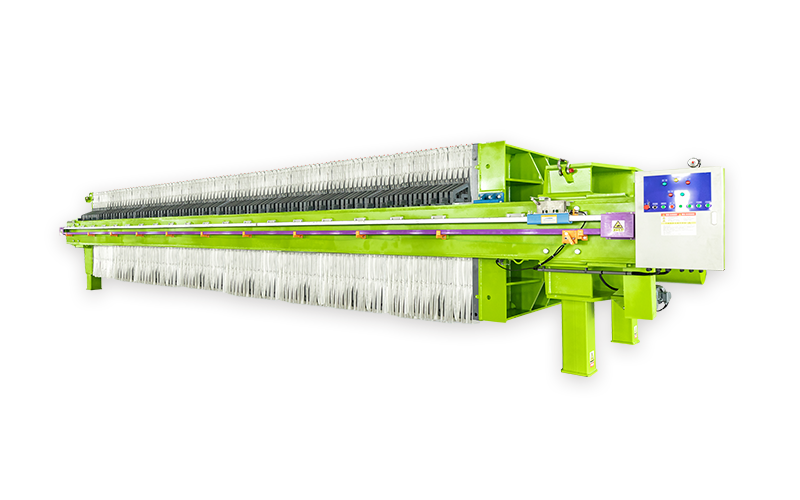
An 800mm filter press typically comprises several critical components:
- **Filter Plates**: The central element where the filtration occurs. The size of 800mm denotes the width of these plates.
- **Filter Cloths**: These line the plates and act as the barrier that separates solids from liquids.
- **Hydraulic System**: Responsible for applying pressure to facilitate the filtration process.
- **Cake Discharge Mechanism**: Allows for the removal of the solid cake after the filtration cycle.
During operation, the slurry is introduced into the press, and the hydraulic system applies pressure, enabling efficient separation.
Key Components of 800mm Filter Presses
To maximize efficiency, understanding the key components of 800mm filter presses is essential:
1. Filter Plates
The filter plates in an 800mm filter press are designed for optimal flow and cake release. Their size not only dictates the capacity of the press but also directly impacts the filtration rate.
2. Filter Cloths
Filter cloths are available in various materials designed for specific applications. Selecting the right cloth is crucial for achieving the desired filtration quality.
3. Hydraulic System
The hydraulic system provides the necessary pressure to compact the solids and enhance filtration efficiency. An efficient hydraulic system can reduce cycle times significantly.
4. Automation Features
Modern 800mm filter presses often come equipped with automation features, enabling improved control over the filtration process, thus enhancing overall efficiency and reducing labor costs.
Advantages of Using 800mm Filter Press Solutions
Integrating 800mm filter press solutions into your operations offers numerous benefits:
1. Enhanced Filtration Efficiency
The larger surface area of 800mm filter presses allows for a higher throughput, resulting in increased productivity without compromising the quality of separation.
2. Reduced Operational Costs
By maximizing the efficiency of solid-liquid separation, businesses can significantly reduce waste disposal costs and improve resource utilization.
3. Versatility Across Industries
Whether in the food and beverage, mining, or wastewater treatment industries, the adaptability of 800mm filter presses makes them suitable for a variety of applications.
4. Improved Cake Quality
The pressure applied during filtration ensures that the solid cake produced is of high quality, facilitating easier handling and disposal.
5. Energy Efficiency
With advances in technology, modern 800mm filter presses consume less energy, leading to lower operational costs and a reduced carbon footprint.
Applications of 800mm Filter Press Solutions
The versatility of 800mm filter presses ensures their application in various fields:
1. Mining and Metallurgy
In the mining sector, 800mm filter presses are instrumental in separating valuable minerals from their ore, enhancing recovery rates and reducing wastage.
2. Wastewater Treatment
For municipalities and industries alike, the ability to effectively dewater sludge is crucial. 800mm filter presses facilitate efficient sludge handling and disposal.
3. Food and Beverage Processing
In the food industry, the need for hygienic and efficient filtration is paramount. 800mm filter presses can effectively remove solids from liquids in processes such as juice and wine production.
4. Chemical Processing
The chemical industry benefits from 800mm filter presses through the effective separation of catalysts and other solid materials from liquid chemicals.
Best Practices for Maximizing Efficiency with 800mm Filter Presses
To truly harness the potential of 800mm filter presses, it is essential to follow best practices throughout their operation:
1. Regular Maintenance and Inspection
Implementing a routine maintenance schedule ensures that all components function optimally, preventing unplanned downtime.
2. Operator Training and Expertise
Equipping operators with the necessary skills and knowledge significantly impacts the performance and efficiency of the filter press.
3. Selection of Appropriate Filter Cloths
Choosing the right filter cloth material and design influences the filtration quality and efficiency. Consider the specific properties of the slurry being processed.
4. Optimal Pressure Settings
Adjusting the hydraulic pressure based on the specific application can enhance both filtration speed and the quality of the final product.
5. Monitoring and Data Analysis
Employing monitoring systems can provide valuable insights into the filtration process, allowing for adjustments that optimize performance.
Common Challenges in Operating 800mm Filter Presses
While 800mm filter presses offer numerous advantages, they also come with challenges that operators must navigate:
1. Clogging of Filter Cloths
Over time, filter cloths can become clogged, leading to decreased efficiency. Regular cleaning and monitoring can mitigate this issue.
2. Inconsistent Slurry Properties
Variations in slurry composition can affect filtration performance. Operators must be prepared to adapt their processes accordingly.
3. Maintenance Costs
While operational costs may decrease, maintenance of 800mm filter presses can still be significant. Budgeting for regular checks and part replacements is essential.
Frequently Asked Questions (FAQs)
1. What industries benefit from 800mm filter press solutions?
Industries such as mining, wastewater treatment, food and beverage processing, and chemical manufacturing commonly use 800mm filter presses for efficient solid-liquid separation.
2. How does an 800mm filter press compare to other sizes?
The 800mm filter press balances size and efficiency, offering a larger surface area for filtration compared to smaller models, which increases throughput and reduces cycle time.
3. What maintenance is required for 800mm filter presses?
Regular inspections, cleaning of filter cloths, and checks on hydraulic systems are crucial for ensuring optimal performance and longevity.
4. Can 800mm filter presses be automated?
Yes, many modern 800mm filter presses come with automation features that enhance efficiency and reduce labor requirements.
5. What factors influence the choice of filter cloths?
The choice depends on the slurry properties, including particle size, chemical compatibility, and desired filtration quality.
Conclusion
In summary, **800mm filter press solutions** stand out as pivotal tools in optimizing filtration processes across a range of industries. By understanding their components, operational advantages, and best practices, businesses can significantly enhance efficiency, reduce operational costs, and improve overall productivity. With the right approach, 800mm filter presses can transform your filtration processes, paving the way for more sustainable and efficient operations. Embracing this technology ensures you stay ahead in a competitive industrial landscape.
We sincerely look forward to cooperating with you!
Customized Filtration System Overall Solution
Contact Us
Contact Information
Nan Development Zone, Jingxian County, Hengshui City, Hebei Province
Online Consultation
If you are interested in our products, please leave your email address, and we will contact you as soon as possible. Thank you!