

Maximizing Efficiency: The Essential Role of 1250mm Filter Press in Industrial Filtration
May 14,2026


Maximizing Efficiency: The Essential Role of 1250mm Filter Press in Industrial Filtration
Table of Contents
1. Introduction to Industrial Filtration
2. Understanding the 1250mm Filter Press
3. How the 1250mm Filter Press Works
4. Benefits of Using a 1250mm Filter Press
5. Applications of 1250mm Filter Press in Various Industries
6. Maintenance and Care for Optimal Performance
7. Cos
Maximizing Efficiency: The Essential Role of 1250mm Filter Press in Industrial Filtration
Table of Contents
- 1. Introduction to Industrial Filtration
- 2. Understanding the 1250mm Filter Press
- 3. How the 1250mm Filter Press Works
- 4. Benefits of Using a 1250mm Filter Press
- 5. Applications of 1250mm Filter Press in Various Industries
- 6. Maintenance and Care for Optimal Performance
- 7. Cost-Efficiency Analysis
- 8. Future Trends in Industrial Filtration
- 9. Frequently Asked Questions
- 10. Conclusion
1. Introduction to Industrial Filtration
Industrial filtration plays a vital role in maintaining the quality and efficiency of processes across various sectors. As industries grow more complex, the need for effective filtration systems becomes paramount. One such system is the **1250mm filter press**, which has emerged as a crucial player in enhancing filtration capabilities. This article delves into the specifics of the 1250mm filter press, its operational efficiency, and the many ways it can benefit industrial applications.
2. Understanding the 1250mm Filter Press
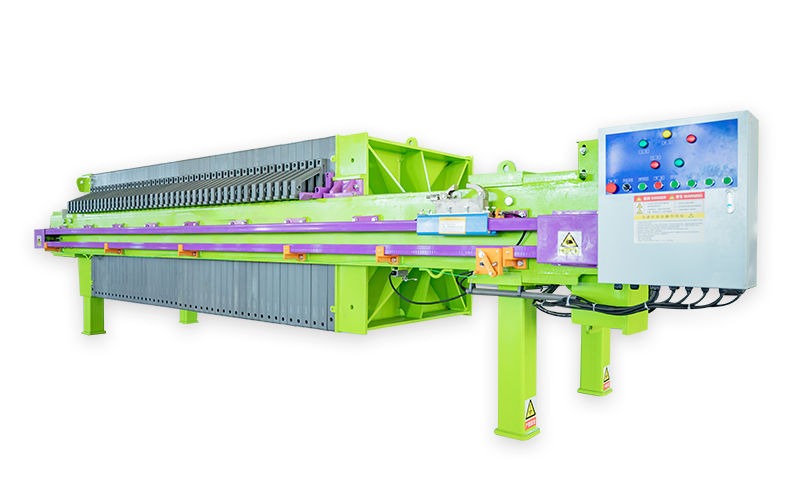
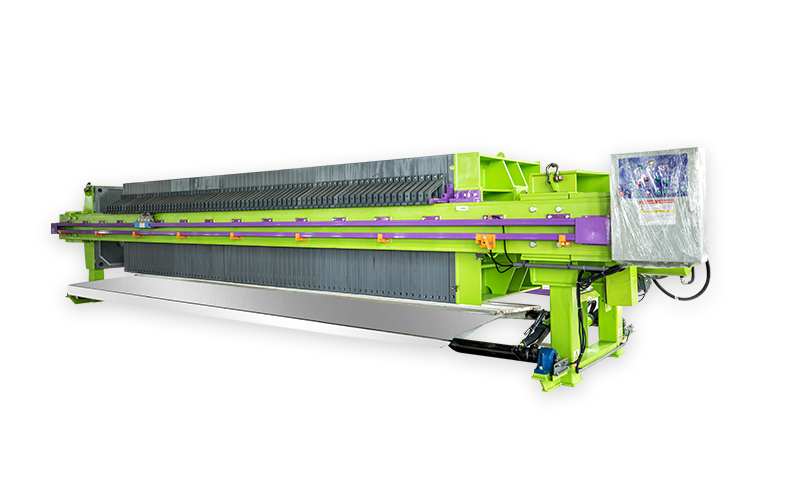
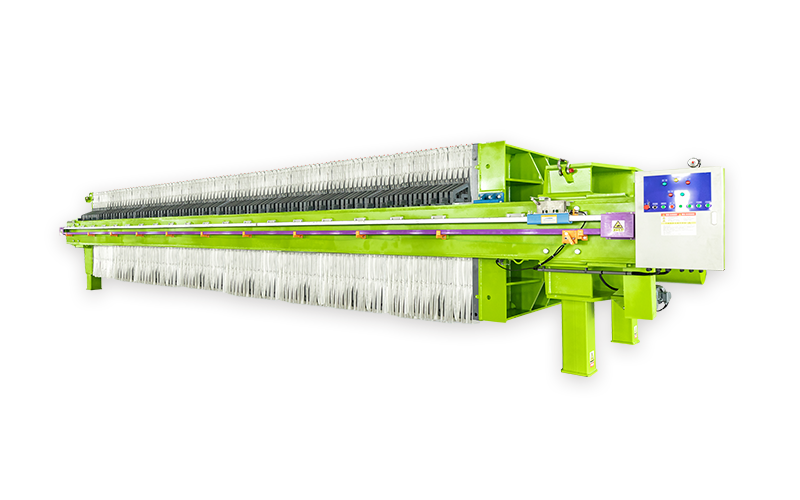
The **1250mm filter press** is a robust filtration device designed to separate solids from liquids. Its compact structure allows for high capacity filtration without taking up excessive space. One of the key features of this filter press is its ability to handle large volumes of slurry, making it ideal for industries such as mining, wastewater treatment, and food processing.
Filter presses operate on a batch basis, where the slurry is pumped into the filter chambers, and the liquid is expelled, leaving behind the solid cake. This process can significantly enhance the efficiency of solid-liquid separation.
3. How the 1250mm Filter Press Works
The working principle of a **1250mm filter press** revolves around several crucial steps:
3.1 Slurry Inlet
The filtration process begins with the introduction of the slurry into the filter press. The slurry is pumped into the chambers, filling them with the mixture of solids and liquids.
3.2 Filtration Cycle
Once the chambers are filled, the filtration cycle begins. The pressure from the hydraulic or pneumatic system forces the liquid through the filter cloths, which act as barriers to the solids. This pressure not only enhances the separation process but also accelerates it.
3.3 Cake Formation
As the liquid is expelled, a solid cake begins to form within the chambers. The efficiency of cake formation is a hallmark of the filter press, with the 1250mm model allowing for optimal cake thickness and dryness.
3.4 Cake Discharge
After the filtration cycle is complete, the solid cake is discharged, and the filter press is ready for the next batch. Depending on the application, the cake can be further processed or disposed of.
4. Benefits of Using a 1250mm Filter Press
Investing in a **1250mm filter press** offers numerous advantages that can lead to significant operational improvement:
4.1 High Efficiency
The design of the 1250mm filter press allows for excellent solid-liquid separation efficiency, reducing the time and resources required for filtration.
4.2 Space-Saving Design
With its compact footprint, the filter press fits into smaller operational spaces while still delivering high performance.
4.3 Versatility
The filter press can be utilized in various industries, handling different types of slurries, which makes it a versatile solution for many industrial filtration needs.
4.4 Reduced Water Consumption
Using a filter press minimizes the need for water in the filtration process, contributing to more sustainable operations.
4.5 Improved Product Quality
By effectively separating solids from liquids, the filter press enhances the quality of the final product, which can lead to better customer satisfaction and compliance with industry standards.
5. Applications of 1250mm Filter Press in Various Industries
The **1250mm filter press** finds applications across diverse sectors, showcasing its versatility and efficiency:
5.1 Mining Industry
In the mining sector, filter presses are crucial for dewatering sludge and concentrates, improving recovery rates and reducing environmental impact.
5.2 Wastewater Treatment
Municipal and industrial wastewater treatment facilities utilize filter presses to separate solids from wastewater, ensuring compliance with discharge regulations.
5.3 Food and Beverage Industry
In food processing, filter presses are used to clarify juices, oils, and other liquids, ensuring high-quality end products without contaminants.
5.4 Pharmaceutical Sector
In pharmaceuticals, maintaining strict hygiene and quality standards is critical. The **1250mm filter press** helps in the efficient separation of active ingredients and solvents.
5.5 Chemical Processing
Chemical manufacturers utilize filter presses to separate solids from liquids during the production of various chemicals, enhancing overall efficiency.
6. Maintenance and Care for Optimal Performance
To ensure the longevity and efficiency of the **1250mm filter press**, regular maintenance is essential:
6.1 Regular Inspections
Routine inspections help identify wear and tear early, allowing for timely maintenance and avoiding costly breakdowns.
6.2 Cleaning Protocols
Establishing proper cleaning procedures for the filter plates and cloths ensures that the filter press operates at optimum levels and maintains product quality.
6.3 Replacement of Worn Parts
Monitoring the condition of hydraulic components and filter cloths leads to proactive replacement, ensuring uninterrupted operations.
6.4 Operational Training
Training staff to operate and maintain the filter press effectively can enhance operational efficiency and reduce the likelihood of errors.
7. Cost-Efficiency Analysis
Analyzing the cost-effectiveness of the **1250mm filter press** can reveal significant savings over time.
7.1 Initial Investment vs. Long-Term Savings
While the upfront cost of a filter press may be considerable, the long-term savings from reduced water consumption, lower labor costs, and decreased waste disposal fees can offset this initial investment.
7.2 Energy Efficiency
Modern filter presses are designed to be energy-efficient, which can lead to lower operational costs compared to older filtration methods.
7.3 Enhanced Productivity
The high throughput and efficiency of the 1250mm filter press contribute to increased production rates, translating into higher profits for businesses.
8. Future Trends in Industrial Filtration
As industries evolve, the future of industrial filtration, particularly with devices like the **1250mm filter press**, looks promising:
8.1 Advancements in Automation
Automation in filtration processes is on the rise. Future filter presses will incorporate more advanced automation features, allowing for remote monitoring and operation.
8.2 Eco-Friendly Innovations
With the global push toward sustainability, future filter presses will likely include features aimed at reducing environmental impact, such as enhanced energy efficiency and reduced waste generation.
8.3 Enhanced Filtration Technologies
Emerging technologies such as membrane filtration and hybrid systems may integrate with traditional filter presses to improve efficiency and effectiveness.
9. Frequently Asked Questions
9.1 What is the primary function of a 1250mm filter press?
The primary function of a 1250mm filter press is to separate solids from liquids in various industrial applications, enhancing filtration efficiency.
9.2 How often should a filter press be maintained?
Regular maintenance is recommended, with inspections often occurring monthly or quarterly, depending on usage and operational conditions.
9.3 What industries benefit most from using a 1250mm filter press?
Industries such as mining, wastewater treatment, food processing, pharmaceuticals, and chemical processing greatly benefit from the use of a 1250mm filter press.
9.4 Can a filter press handle different types of slurries?
Yes, the versatility of the 1250mm filter press allows it to handle various types of slurries, making it suitable for multiple applications.
9.5 What are the energy requirements for operating a filter press?
Energy requirements vary depending on the model and application; however, modern filter presses are designed for energy efficiency, minimizing operational costs.
10. Conclusion
The **1250mm filter press** stands out as a critical component in industrial filtration processes. Its high efficiency, versatility, and space-saving design make it an invaluable asset for various industries. By understanding its workings, benefits, and maintenance needs, businesses can maximize their operational efficiency and achieve substantial cost savings. As technology continues to advance, the role of the filter press will only grow, paving the way for more sustainable and efficient industrial practices. Integrating a 1250mm filter press into your operations could very well be the key to unlocking enhanced productivity and profitability.
We sincerely look forward to cooperating with you!
Customized Filtration System Overall Solution
Contact Us
Contact Information
Nan Development Zone, Jingxian County, Hengshui City, Hebei Province
Online Consultation
If you are interested in our products, please leave your email address, and we will contact you as soon as possible. Thank you!