

Understanding the Role of a 1000 Chamber Filter Press in Treating Electroplating Waste
Apr 30,2026


Electroplating is a widely used industrial process that involves applying a layer of metal onto a surface to enhance its appearance, resist corrosion, and improve conductivity. However, this process generates significant amounts of hazardous waste, necessitating effective treatment solutions. One such solution is the 1000 chamber filter press, which plays a crucial role in handling electroplating
Electroplating is a widely used industrial process that involves applying a layer of metal onto a surface to enhance its appearance, resist corrosion, and improve conductivity. However, this process generates significant amounts of hazardous waste, necessitating effective treatment solutions. One such solution is the 1000 chamber filter press, which plays a crucial role in handling electroplating waste efficiently and sustainably.
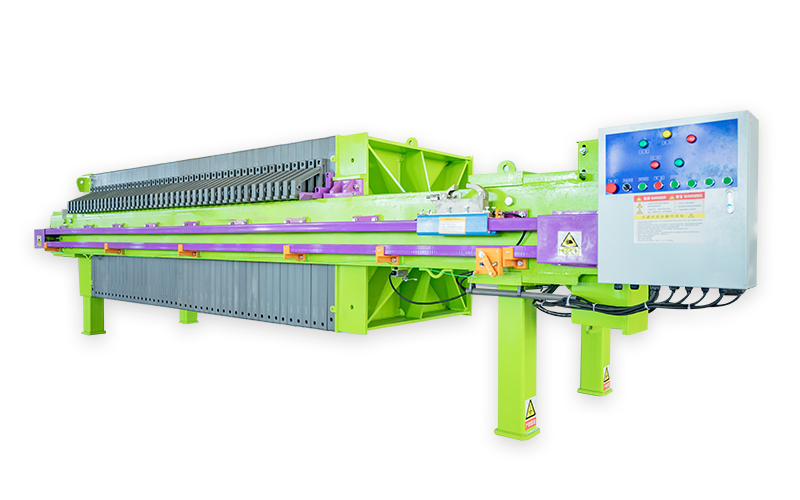
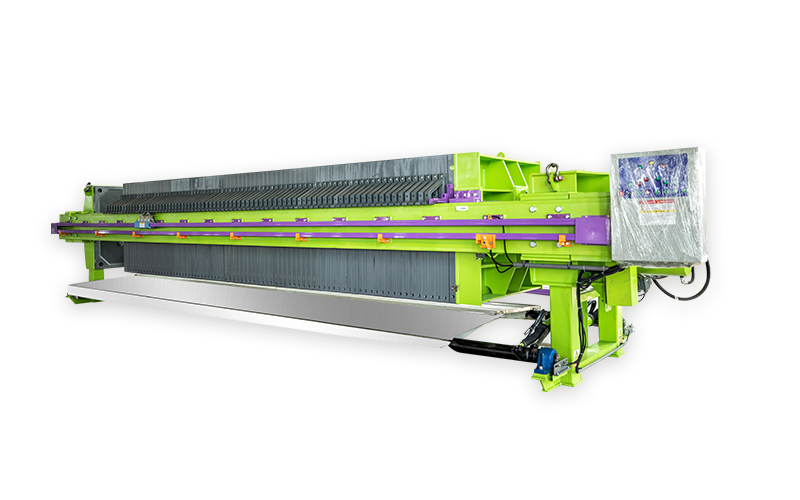
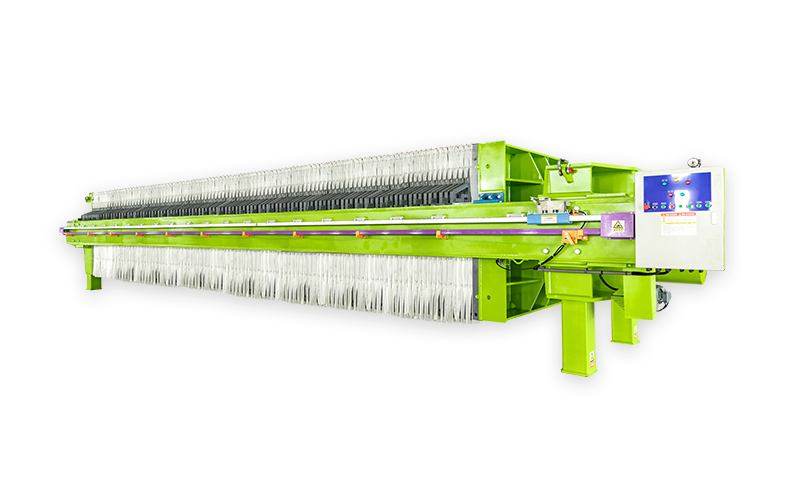
The 1000 chamber filter press is designed to separate solids from liquids, making it highly effective in treating the wastewater produced during electroplating operations. This equipment consists of multiple chambers that hold filter plates, allowing for high capacity and efficient filtration. When the electroplating waste is introduced into the press, it is subject to high pressure, forcing the liquid through the filter cloth while retaining solid particles within the chambers. This process not only clarifies the liquid but also significantly reduces the volume of waste, making disposal easier and more environmentally friendly.
One of the key advantages of using a 1000 chamber filter press for electroplating waste is its ability to produce dry cake, which can be disposed of with minimal environmental impact. This dry solid can often be further treated or recycled, thus contributing to a more circular economy. Furthermore, the efficient separation of solids from liquids means that the treated water can be reused in the electroplating process or discharged after meeting regulatory standards, preserving valuable resources and reducing overall water usage.
Additionally, operating a 1000 chamber filter press can lead to significant cost savings for businesses. By minimizing waste disposal costs and allowing for the potential recovery of valuable materials, companies can enhance their profitability while aligning with environmental regulations. The technology also requires less maintenance compared to other filtration methods, ensuring a reliable and long-lasting solution for wastewater treatment.
In conclusion, the 1000 chamber filter press is an essential tool for industries engaged in electroplating. Its design and functionality not only address the challenges of wastewater management but also support sustainable practices by reducing waste and promoting resource recovery. Businesses looking to enhance their filtration processes and minimize their environmental footprint should consider the implementation of this advanced equipment as part of their waste management strategy. Embracing such technology not only benefits the environment but can also improve operational efficiency and profitability in the long run.
The 1000 chamber filter press is designed to separate solids from liquids, making it highly effective in treating the wastewater produced during electroplating operations. This equipment consists of multiple chambers that hold filter plates, allowing for high capacity and efficient filtration. When the electroplating waste is introduced into the press, it is subject to high pressure, forcing the liquid through the filter cloth while retaining solid particles within the chambers. This process not only clarifies the liquid but also significantly reduces the volume of waste, making disposal easier and more environmentally friendly.
One of the key advantages of using a 1000 chamber filter press for electroplating waste is its ability to produce dry cake, which can be disposed of with minimal environmental impact. This dry solid can often be further treated or recycled, thus contributing to a more circular economy. Furthermore, the efficient separation of solids from liquids means that the treated water can be reused in the electroplating process or discharged after meeting regulatory standards, preserving valuable resources and reducing overall water usage.
Additionally, operating a 1000 chamber filter press can lead to significant cost savings for businesses. By minimizing waste disposal costs and allowing for the potential recovery of valuable materials, companies can enhance their profitability while aligning with environmental regulations. The technology also requires less maintenance compared to other filtration methods, ensuring a reliable and long-lasting solution for wastewater treatment.
In conclusion, the 1000 chamber filter press is an essential tool for industries engaged in electroplating. Its design and functionality not only address the challenges of wastewater management but also support sustainable practices by reducing waste and promoting resource recovery. Businesses looking to enhance their filtration processes and minimize their environmental footprint should consider the implementation of this advanced equipment as part of their waste management strategy. Embracing such technology not only benefits the environment but can also improve operational efficiency and profitability in the long run.
Previous:
We sincerely look forward to cooperating with you!
Customized Filtration System Overall Solution
Contact Us
Contact Information
Nan Development Zone, Jingxian County, Hengshui City, Hebei Province
Online Consultation
If you are interested in our products, please leave your email address, and we will contact you as soon as possible. Thank you!