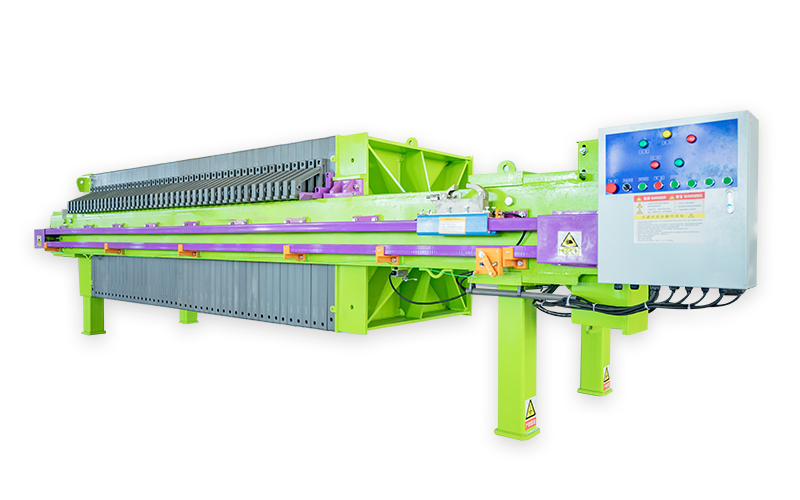
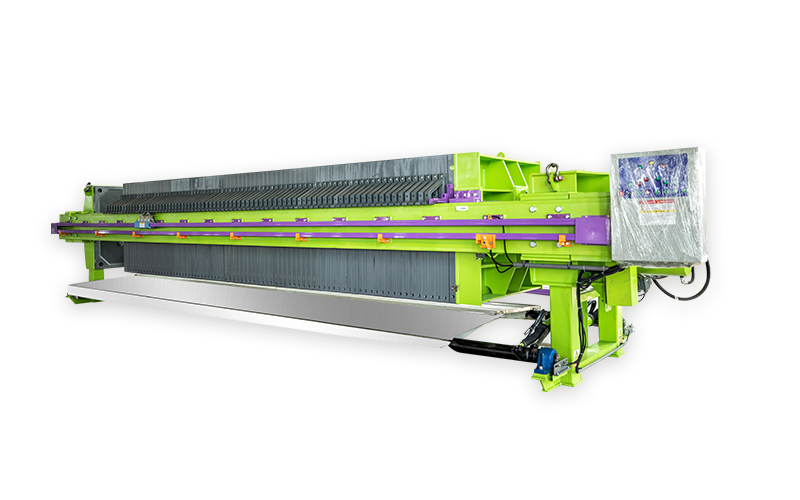
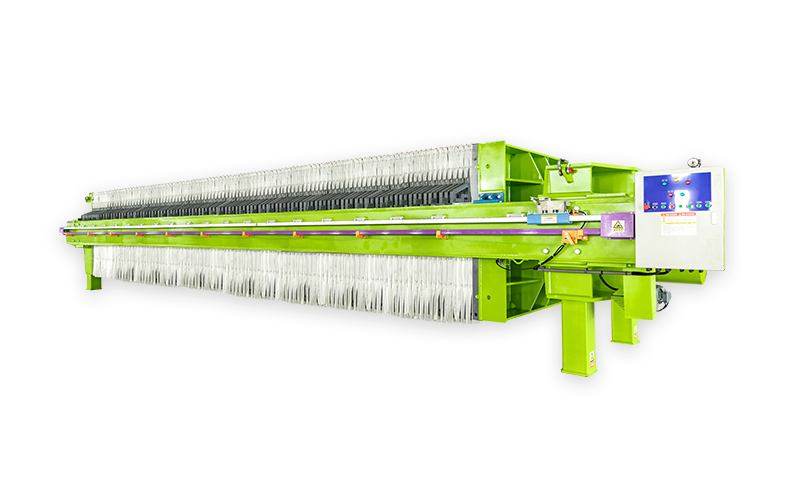
The global market for filter cloth used in filter press systems is experiencing steady growth, fueled by increasing demand across industries such as wastewater treatment, mining, chemicals, food processing, and pharmaceuticals. As filtration technology continues to evolve, filter cloth has become a critical component in improving efficiency, reducing operational costs, and meeting stricter environmental regulations.
Filter cloth serves as the primary medium for solid-liquid separation in filter press operations. Its performance directly impacts filtration speed, cake dryness, clarity of filtrate, and overall system productivity. In recent years, manufacturers have focused on developing advanced materials and weaving technologies to enhance these key performance indicators.
One of the most significant trends in the industry is the adoption of high-performance synthetic fibers such as polypropylene, polyester, and nylon. These materials offer superior chemical resistance, mechanical strength, and durability compared to traditional fabrics. As a result, they are widely used in demanding applications where exposure to corrosive substances or high pressures is common.
Customization has also become a major driving force in the filter cloth market. Different industries require specific filtration characteristics, including pore size, permeability, and surface finish. Manufacturers now provide tailor-made solutions to meet these requirements, ensuring optimal compatibility with various filter press models and operating conditions. This shift toward customization allows end users to achieve higher efficiency and longer service life.
In addition to material innovation, improvements in fabric structure are playing a key role. Advanced weaving techniques, such as monofilament and multifilament constructions, enable better particle retention and easier cake release. Surface treatments, including calendaring and coating, further enhance filtration performance by reducing clogging and improving cleaning efficiency.
Environmental concerns and regulatory pressures are also shaping the market. Industries are under increasing scrutiny to minimize waste and improve water reuse. High-quality filter cloth helps achieve these goals by delivering cleaner filtrate and reducing the need for additional treatment processes. This makes it an essential component in sustainable industrial operations.
Another emerging trend is the integration of smart monitoring technologies. Some manufacturers are exploring ways to incorporate sensors and data tracking into filtration systems, allowing operators to monitor cloth performance in real time. This can help predict maintenance needs, reduce downtime, and optimize overall system efficiency.
Despite these advancements, the industry faces challenges such as price competition and the need for continuous innovation. Low-cost alternatives may attract budget-conscious buyers, but they often compromise on durability and performance. As a result, many companies are emphasizing quality, reliability, and long-term value to differentiate themselves in the market.
Regionally, Asia-Pacific remains a dominant market, driven by rapid industrialization and expanding infrastructure projects. China, in particular, plays a major role as both a producer and consumer of filter cloth products. Meanwhile, North America and Europe continue to invest in advanced filtration technologies, focusing on sustainability and high-performance solutions.
Looking ahead, the filter cloth for filter press industry is expected to maintain a positive growth trajectory. With ongoing advancements in materials science, customization capabilities, and digital integration, filter cloth will continue to play a vital role in modern filtration systems. As industries strive for greater efficiency and environmental compliance, demand for high-quality, reliable filter cloth solutions is set to rise in the coming years.