

Unraveling Common Questions About Filter Plates
Nov 25,2025


Understanding Filter Plates
Hey there! So, you've stumbled upon the term filter plates and you're wondering what the fuss is all about? Well, you're in the right place! Filter plates are essential in various industries, from food and beverage to pharmaceuticals. Let's dive into some common questions that pop up regarding these nifty tools.
What Exactly Are Filter Plates?
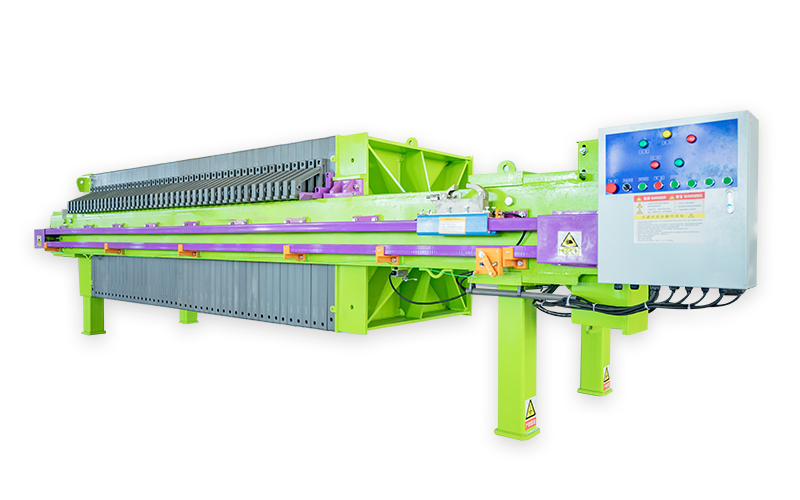
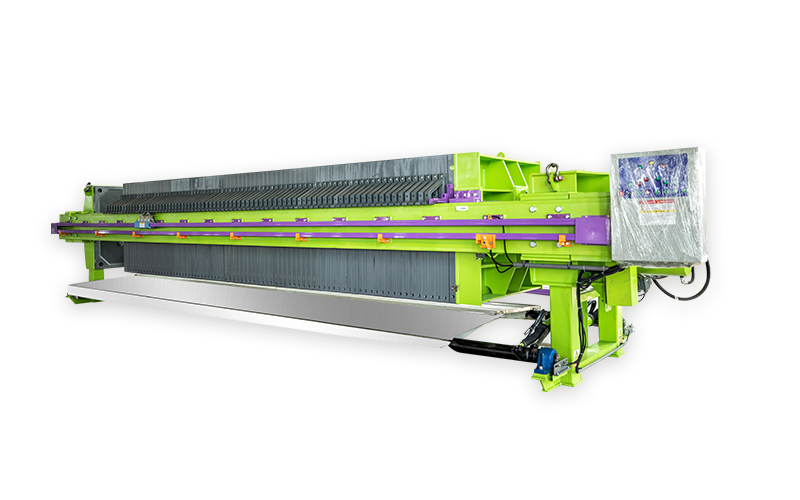
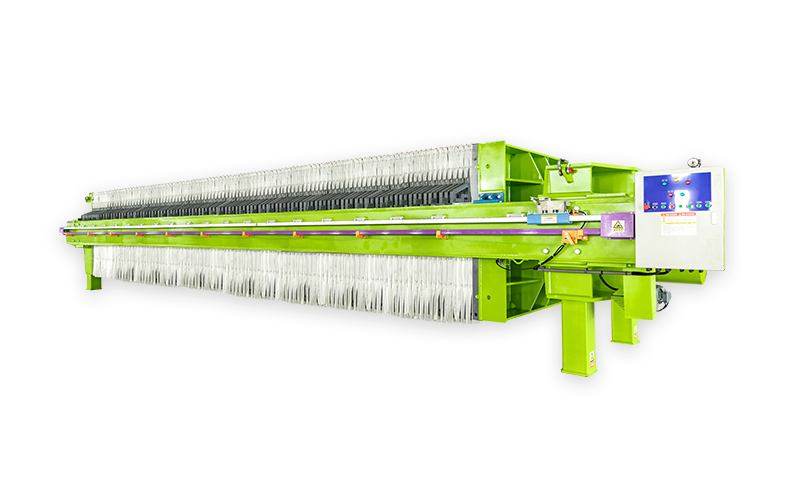
In simple terms,filter plates are devices used to separate solids from liquids. They act as a barrier that allows liquid to pass through while retaining solid particles. Typically made from materials like polypropylene or stainless steel, these plates are designed to withstand high pressures and harsh conditions.
How Do Filter Plates Work?
Alright, buckle up! Here's the scoop: the process usually involves pumping the mixture into a chamber where thefilter plates are stacked. As the liquid flows through, it's filtered out, leaving behind the solids. Think of it like straining pasta—keeping the good stuff while letting the water escape!
Common Applications of Filter Plates
Filter plates aren't just for fun; they have some serious applications! Here are a few:
- In the food industry, they help in clarifying juices and wines.
- In pharmaceuticals, they're crucial for producing sterile products.
- In chemical processing, they assist in recovering valuable materials.
So, no matter the industry,filter plates play a pivotal role!
How Do You Maintain Filter Plates?
Good question! Keeping those plates in tip-top shape is crucial for efficiency. Here's the lowdown on maintenance:
- Regular Cleaning: After each use, make sure to clean the plates thoroughly to avoid clogging.
- Inspect for Damage: Look for cracks or wear and tear that could compromise their effectiveness.
- Proper Storage: Store them in a dry, cool place to prevent any potential damage from moisture.
With a bit of TLC, yourfilter plates will serve you well for years to come!
What Are the Signs of Worn-Out Filter Plates?
Oh boy, this is a biggie! If you notice any of the following, it might be time to retire those plates:
- Decreased filtration efficiency—hello, slow processing!
- Visible damage like cracks or holes.
- Unusual noises during operation—yikes!
Remember, ignoring these signs could lead to bigger problems down the line, so keep an eye out!
Can You Use Filter Plates for All Liquids?
Whilefilter plates are versatile, they're not one-size-fits-all. Certain liquids, especially those with high viscosity or containing abrasive materials, may require specializedfilter plates. Always consult the manufacturer's guidelines to ensure compatibility.
Final Thoughts
There you have it—the lowdown onfilter plates! Whether you're in the food industry or pharmaceuticals, understanding how these plates work can boost your efficiency. If you've got more questions or need specific advice, don't hesitate to reach out to experts in the field. Happy filtering!
We sincerely look forward to cooperating with you!
Customized Filtration System Overall Solution
Contact Us
Contact Information
Nan Development Zone, Jingxian County, Hengshui City, Hebei Province
Online Consultation
If you are interested in our products, please leave your email address, and we will contact you as soon as possible. Thank you!