

Unlocking the Secrets of Filter Plates: How They Work
Nov 15,2025


Introduction to Filter Plates
Ever wondered how certain liquids get purified while others remain murky? Well,filter plates are the unsung heroes in this process! These nifty devices are at the heart of many filtration systems, playing a crucial role in separating solids from liquids. Let's dive deep into the world offilter plates and uncover their workings, shall we?
What Are Filter Plates?
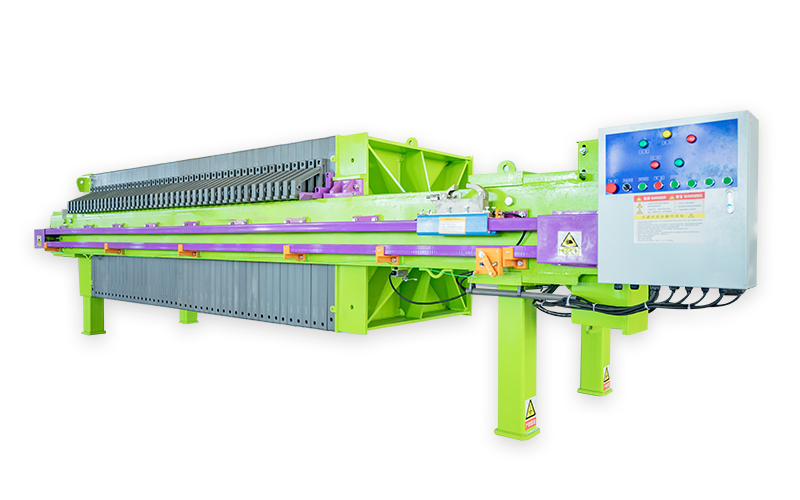
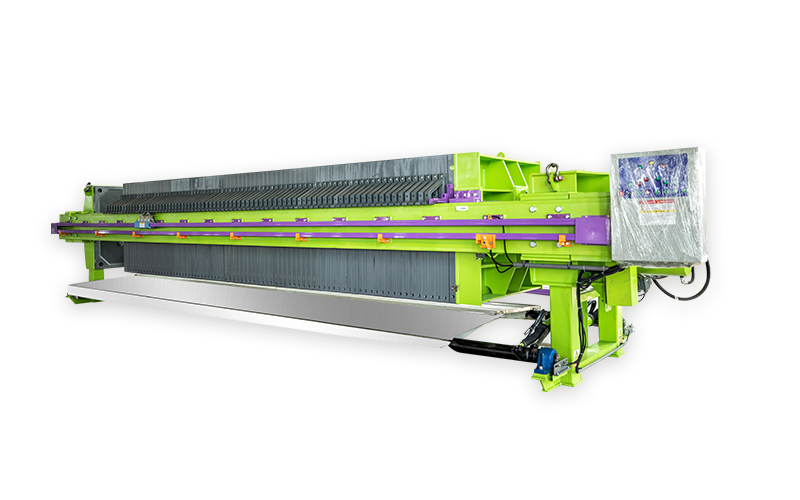
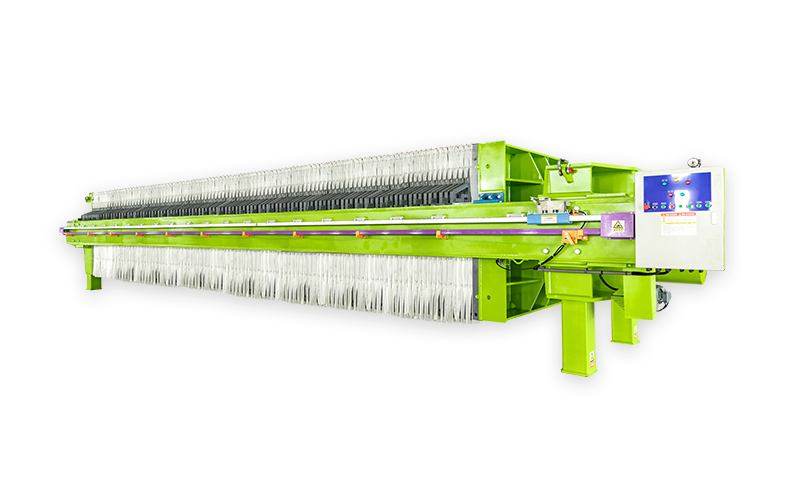
Filter plates, in a nutshell, are flat, porous structures used in various industries, from food and beverage to pharmaceuticals and wastewater treatment. Their primary job? To act as a barrier, allowing only certain particles to pass through while holding back others. These plates come in various materials and sizes, depending on the specific application.
The Working Principle of Filter Plates
Now, let's get to the meat of the matter—how do these plates actually work? The principle is fairly straightforward but incredibly effective. When a mixture of liquid and solid is introduced to the filter plate, gravity or pressure forces the liquid through the plate's pores. What's left behind? The solid particles! It's like a dance, where the liquid twirls through while the solids are left standing, waiting for the next round.
Types of Filter Plates
Not allfilter plates are created equal! Depending on the application, you might encounter several types:
- Membranefilter plates: These have a membrane layer that allows for finer filtration, ideal for purifying drinking water.
- Polypropylenefilter plates: Known for their durability, these plates are often used in chemical manufacturing.
- Ceramicfilter plates: These are used in situations where high-temperature resistance is needed, like in certain food processing scenarios.
Benefits of Using Filter Plates
Why bother withfilter plates? Well, they come with a handful of advantages:
- Efficiency: They significantly improve the speed of the filtration process.
- Cost-effective: By reducing waste and maximizing yield, they can save money in the long run.
- Versatility: They can be used in a variety of applications, from industrial to household.
Applications of Filter Plates
Filter plates are everywhere! Here are just a few places you might find them:
- Water Treatment: Essential in purifying drinking water.
- Food Processing: Used to clarify juices and oils.
- Pharmaceuticals: Critical in the production of medicines to ensure purity.
Choosing the Right Filter Plate
So, if you're in the market forfilter plates, how do you choose the right one? It all boils down to your specific needs:
- Consider the size of the particles you need to filter.
- Think about the nature of the liquid being filtered.
- Evaluate the conditions under which the filter plate will operate.
Conclusion
Filter plates are a crucial part of many filtration systems, helping to keep our liquids clean and safe. Whether you're a business owner in need of efficient filtration or just a curious mind, understanding the workings offilter plates can open up a world of possibilities. So next time you sip clean water or enjoy a crystal-clear juice, remember the unsung heroes behind the scenes—filter plates!
We sincerely look forward to cooperating with you!
Customized Filtration System Overall Solution
Contact Us
Contact Information
Nan Development Zone, Jingxian County, Hengshui City, Hebei Province
Online Consultation
If you are interested in our products, please leave your email address, and we will contact you as soon as possible. Thank you!