

Unlocking the Secrets of Filter Plates: Your Ultimate Guide
Oct 31,2025


Understanding Filter Plates
Ever heard offilter plates? If you haven't, you're in for a treat! These nifty devices are essential in various industries, from pharmaceuticals to food and beverage. They play a pivotal role in separating solids from liquids, making them a cornerstone in filtering processes.
What Exactly Are Filter Plates?
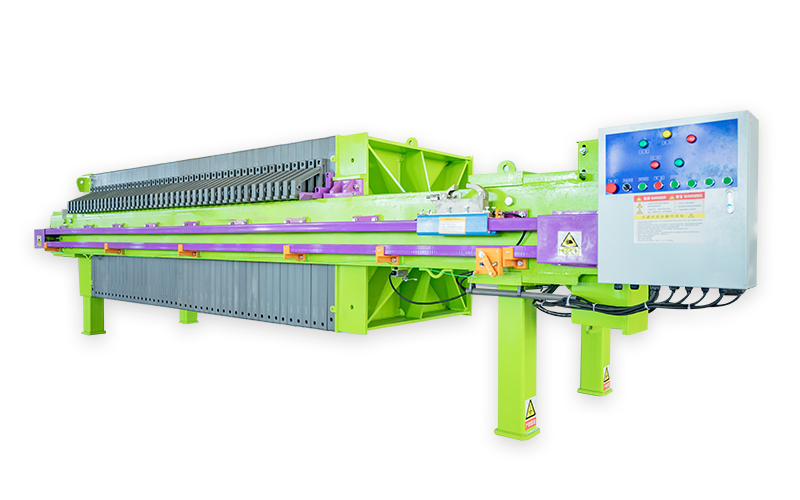
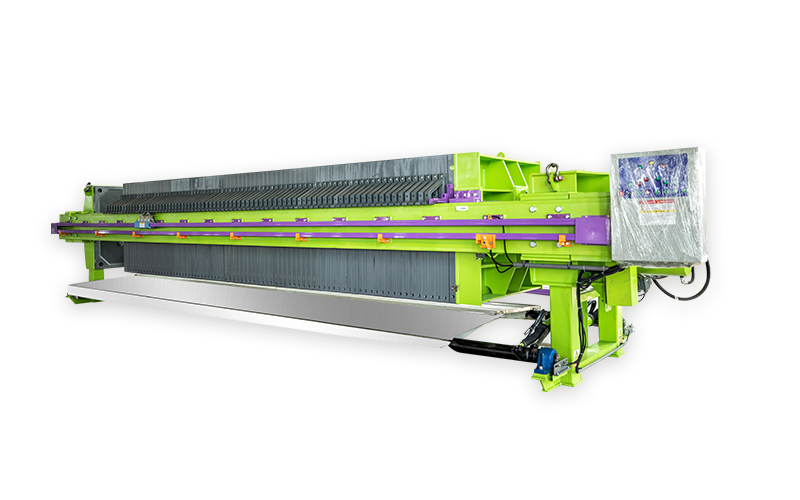
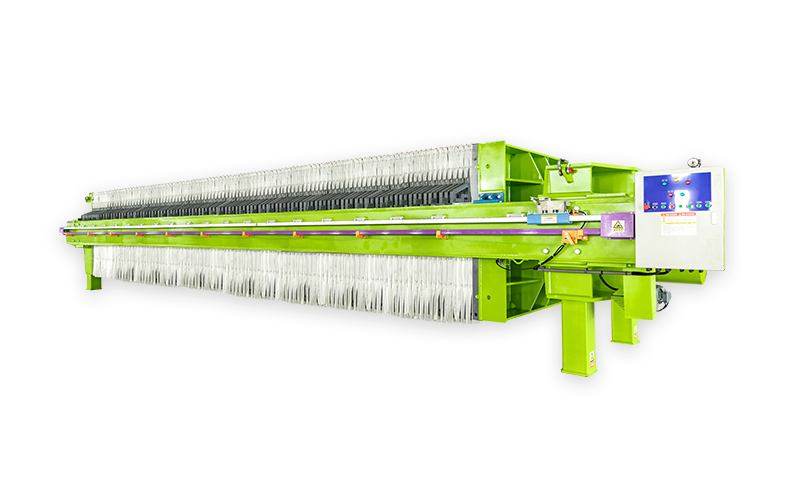
Filter plates, or as some folks call them, filter frames, are flat, porous sheets that facilitate the filtration process. Imagine them as the unsung heroes of the filtration world, tirelessly working behind the scenes. Typically made from materials like polypropylene or stainless steel, these plates come with numerous holes that allow liquid to pass through while trapping solid particles. Pretty cool, huh?
Why Use Filter Plates?
Now, let's talk benefits! Usingfilter plates can significantly enhance your filtration process. Here are a few reasons why you should consider them:
- Efficiency: They maximize the surface area for filtration, ensuring faster and more effective results.
- Durability: Made from resilient materials,filter plates can withstand harsh environments and high pressures.
- Cost-effective: They reduce waste and downtime, ultimately saving you money in the long run.
Types of Filter Plates
Not allfilter plates are created equal! Depending on your specific needs, you can choose from various types:
- Membrane Filter Plates: Ideal for applications requiring fine filtration.
- Polypropylene Filter Plates: Great for chemical resistance and durability.
- Stainless Steel Filter Plates: Perfect for high-temperature applications.
How to Choose the Right Filter Plate
Choosing the right filter plate can feel like finding a needle in a haystack. But fear not! Here are some tips to guide your decision:
- Consider the application: What are you filtering? Different materials may require differentfilter plates.
- Check the size: Make sure the dimensions fit your existing filtration system.
- Evaluate the material: Choose a material that can handle the specific conditions of your process.
Maintaining Your Filter Plates
Who wants to deal with cloggedfilter plates? Not you! To keep yours in tip-top shape, follow these maintenance tips:
- Regular Cleaning: Ensure that you clean yourfilter plates regularly to prevent buildup.
- Inspect for Damage: Always check for cracks or wear and tear. Remember, a stitch in time saves nine!
- Follow Manufacturer Guidelines: Each type of filter plate may have specific care instructions.
Real-World Applications of Filter Plates
Filter plates can be found in a myriad of industries. Here are just a few applications:
- Pharmaceuticals: Ensuring the purity of drugs by removing contaminants.
- Food Processing: Clarifying juices and oils to improve product quality.
- Waste Water Treatment: Helping in the removal of solids from water.
Final Thoughts
So there you have it! Filter plates might not be the first thing that comes to mind when you think of filtration, but they play a crucial role in various processes. Whether you're in the food industry or working with pharmaceuticals, understanding how to utilizefilter plates effectively can make all the difference. So, roll up your sleeves and dive into the world of filtration!
We sincerely look forward to cooperating with you!
Customized Filtration System Overall Solution
Contact Us
Contact Information
Nan Development Zone, Jingxian County, Hengshui City, Hebei Province
Online Consultation
If you are interested in our products, please leave your email address, and we will contact you as soon as possible. Thank you!