

Real-World Applications of the 800 Chamber Filter Press in Wastewater Treatment
Nov 27,2026


Real-World Applications of the 800 Chamber Filter Press in Wastewater Treatment
Introduction to the 800 Chamber Filter Press
The **800 Chamber Filter Press** has emerged as a pivotal technology in the field of wastewater treatment. Designed to separate solids from liquids efficiently, this advanced filtration system plays a crucial role in various industries, including municipal water treatment, p
Real-World Applications of the 800 Chamber Filter Press in Wastewater Treatment
Introduction to the 800 Chamber Filter Press
The **800 Chamber Filter Press** has emerged as a pivotal technology in the field of wastewater treatment. Designed to separate solids from liquids efficiently, this advanced filtration system plays a crucial role in various industries, including municipal water treatment, pharmaceuticals, and food processing. Its ability to produce high-quality effluent while reducing sludge volume makes it an indispensable tool for organizations focused on sustainability and compliance with environmental regulations.
Understanding Wastewater Treatment and Its Challenges
Wastewater treatment is a critical process aimed at removing contaminants from water before it is released back into the environment or reused. Various challenges arise during this process, including the need for effective solid-liquid separation, compliance with stringent regulations, and the management of increasing wastewater volumes. Traditional methods often struggle to meet these demands, leading to the development of more innovative solutions, such as the 800 Chamber Filter Press.
How the 800 Chamber Filter Press Works
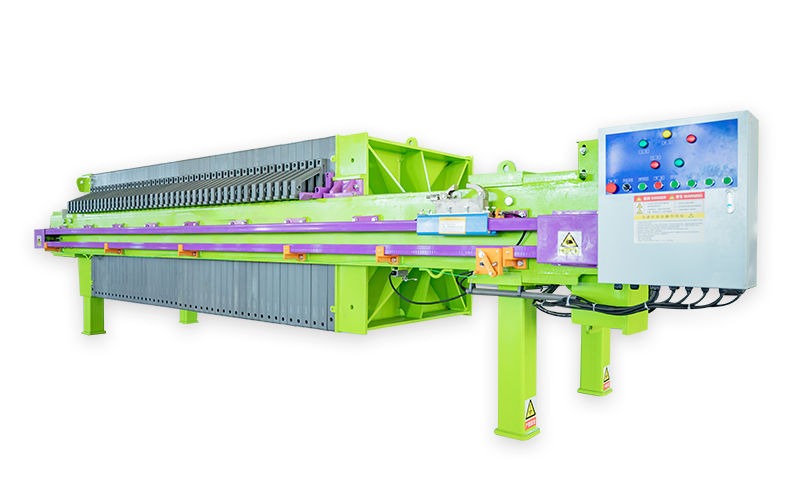
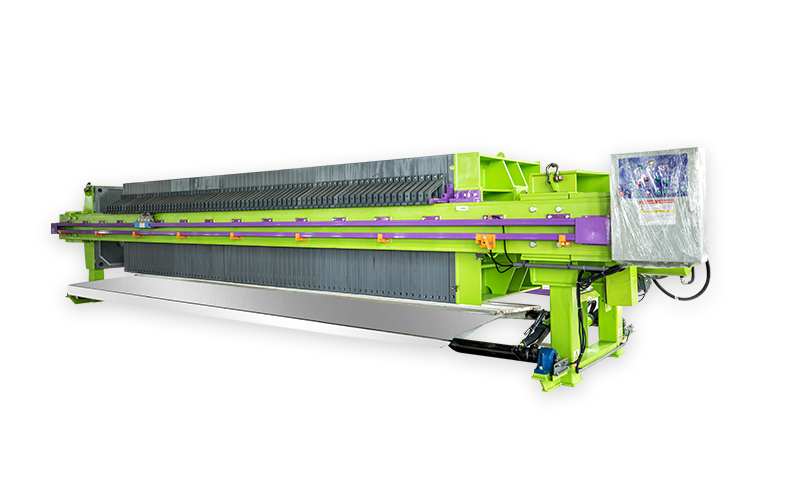
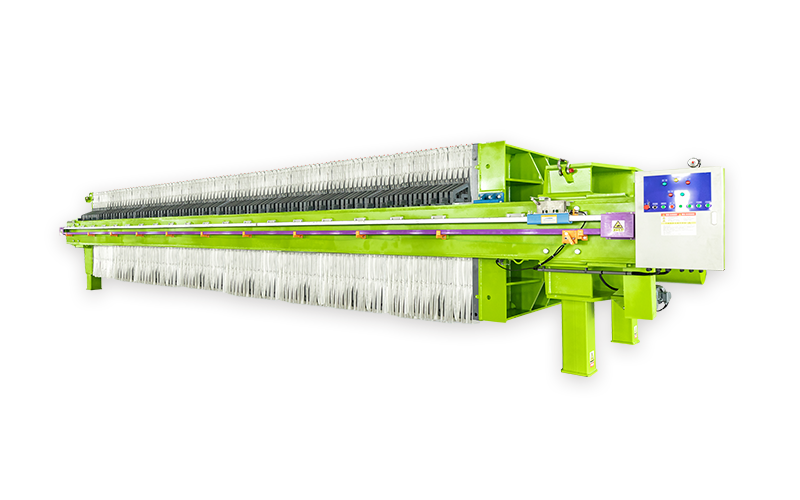
The **800 Chamber Filter Press** operates on a straightforward yet effective principle. It consists of a series of chambers that hold filter cloths, where the wastewater is pumped under pressure. This process forces the liquid through the cloth, allowing solids to accumulate and form a cake. Key features include:
1. **High Filtration Efficiency**: The design allows for optimal filtration, ensuring minimal liquid bypass.
2. **Modular Design**: Tailored configurations can be achieved based on specific wastewater treatment needs.
3. **Automated Operation**: Modern filter presses come equipped with automation features that streamline operation and reduce labor costs.
Key Benefits of the 800 Chamber Filter Press
The introduction of the 800 Chamber Filter Press has numerous benefits, including:
- **Improved Water Quality**: Produces clear, high-quality effluent suitable for discharge or reuse.
- **Reduced Sludge Volume**: Efficient solid-liquid separation minimizes the volume of waste generated.
- **Cost-Effectiveness**: Lower operational and maintenance costs compared to traditional systems.
Real-World Applications of the 800 Chamber Filter Press
The versatility of the 800 Chamber Filter Press makes it applicable in various sectors. Below are some notable applications:
Municipal Wastewater Treatment
In municipal settings, the 800 Chamber Filter Press is integral to treating urban wastewater. As cities grow and the volume of wastewater increases, this technology ensures regulatory compliance and environmental protection. It effectively reduces the burden on municipal treatment facilities by producing clean effluent while minimizing the volume of sludge produced.
Industrial Wastewater Management
Industries such as textiles, chemicals, and food processing generate significant amounts of wastewater. The 800 Chamber Filter Press efficiently handles the high solids content associated with these wastewater streams. By utilizing this technology, industries can meet environmental compliance standards, reduce disposal costs, and promote recycling initiatives.
Textile Industry
In the textile industry, wastewater often contains dyes and other harmful substances. The 800 Chamber Filter Press effectively removes these contaminants, allowing for the safe discharge of treated water and protecting local ecosystems.
Food Processing Industry
Food processing facilities face unique challenges regarding wastewater, including organic matter and oils. The 800 Chamber Filter Press excels in separating these substances, ensuring that the wastewater treatment process is both efficient and environmentally friendly.
Pharmaceutical Sector
Pharmaceutical manufacturing generates wastewater that can be hazardous to the environment. The 800 Chamber Filter Press plays a vital role in this sector by providing reliable solid-liquid separation. This technology helps pharmaceutical companies comply with stringent regulations while promoting sustainable practices.
Environmental Benefits of the 800 Chamber Filter Press
The use of the 800 Chamber Filter Press in wastewater treatment significantly contributes to environmental sustainability. Key environmental benefits include:
- **Enhanced Water Reuse**: The high-quality effluent produced can be reused for irrigation or industrial applications, reducing freshwater consumption.
- **Lower Energy Consumption**: Compared to traditional systems, the 800 Chamber Filter Press operates more efficiently, resulting in lower energy costs.
- **Reduced Landfill Impact**: By minimizing sludge volume, there is less waste to dispose of, reducing the environmental impact of landfills.
Comparing the 800 Chamber Filter Press to Traditional Filtration Methods
When assessing filtration options, it is essential to understand how the 800 Chamber Filter Press stands out against traditional methods, such as sand filters and settling tanks. Key comparisons include:
Efficiency and Effectiveness
The 800 Chamber Filter Press offers superior efficiency in solid-liquid separation, providing clearer effluent and reducing the need for additional treatment steps.
Operational Costs
Operational costs associated with the 800 Chamber Filter Press are generally lower due to reduced sludge handling and maintenance requirements. Traditional methods often require more frequent cleaning and higher energy inputs.
Space Requirements
The compact design of the 800 Chamber Filter Press allows for installation in facilities with limited space, making it an attractive option for many industrial applications.
Case Studies: Successful Implementations of the 800 Chamber Filter Press
To illustrate the real-world effectiveness of the 800 Chamber Filter Press, consider the following case studies:
Case Study 1: Municipal Water Treatment Facility
A municipal water treatment facility in a rapidly growing urban area faced challenges in managing increasing wastewater volumes while complying with discharge regulations. The implementation of the 800 Chamber Filter Press resulted in a 30% reduction in sludge disposal costs and improved water quality, allowing for the safe release of treated effluent into the local waterway.
Case Study 2: Textile Manufacturing Plant
A textile manufacturing plant previously struggled with high solids content in its wastewater, leading to frequent equipment failures and regulatory fines. After installing the 800 Chamber Filter Press, the facility reported a 50% reduction in water discharge costs and significant improvements in compliance with environmental regulations.
Future Trends in Wastewater Treatment and Filtration Technology
As the demand for clean water increases and regulations become more stringent, the wastewater treatment landscape will continue to evolve. Upcoming trends may include:
- **Smart Technology Integration**: The incorporation of IoT and AI technologies will enhance monitoring and optimization of filtration processes.
- **Focus on Resource Recovery**: Future innovations may prioritize recovering valuable resources from wastewater, such as nutrients and energy.
- **Sustainable Practices**: There will be a growing emphasis on sustainable wastewater treatment solutions that minimize environmental impact.
FAQs About the 800 Chamber Filter Press and Wastewater Treatment
1. What industries benefit from the 800 Chamber Filter Press?
The 800 Chamber Filter Press is beneficial across various industries, including municipal water treatment, textiles, food processing, and pharmaceuticals.
2. How does the 800 Chamber Filter Press improve water quality?
This technology efficiently separates solids from liquids, producing clear effluent that meets regulatory standards for discharge or reuse.
3. What are the maintenance requirements for the 800 Chamber Filter Press?
Routine maintenance typically involves inspecting the filter cloths, checking hydraulic systems, and ensuring proper operation, which is generally less demanding than traditional systems.
4. Can the 800 Chamber Filter Press handle varying solid concentrations?
Yes, the modular design allows for customization to accommodate different solid concentrations, making it versatile for various wastewater types.
5. What are the energy requirements for operating the 800 Chamber Filter Press?
The 800 Chamber Filter Press is designed for energy efficiency, using less power than many traditional filtration methods.
Conclusion
The **800 Chamber Filter Press** stands as a transformative solution in the realm of wastewater treatment, offering numerous advantages that address the challenges faced by various industries. Its operational efficiency, cost-effectiveness, and environmental benefits make it an increasingly popular choice for organizations aiming to enhance their wastewater management processes. As industries continue to adopt more sustainable practices, the role of advanced technologies like the 800 Chamber Filter Press will undoubtedly become even more critical in ensuring cleaner water for future generations.
Previous:
We sincerely look forward to cooperating with you!
Customized Filtration System Overall Solution
Contact Us
Contact Information
Nan Development Zone, Jingxian County, Hengshui City, Hebei Province
Online Consultation
If you are interested in our products, please leave your email address, and we will contact you as soon as possible. Thank you!