

Exploring the Design of a 1250mm Filter Press for Optimal Performance
Nov 21,2026


Exploring the Design of a 1250mm Filter Press for Optimal Performance
Table of Contents
1. Introduction to Filter Presses
2. What is a 1250mm Filter Press?
3. Key Components of a 1250mm Filter Press
4. Design Features for Enhanced Performance
5. Operational Efficiency and Performance Metrics
6. Applications of 1250mm Filter Presses
7. Maintenance Best Practices
8. Future Trends in
Exploring the Design of a 1250mm Filter Press for Optimal Performance
Table of Contents
- 1. Introduction to Filter Presses
- 2. What is a 1250mm Filter Press?
- 3. Key Components of a 1250mm Filter Press
- 4. Design Features for Enhanced Performance
- 5. Operational Efficiency and Performance Metrics
- 6. Applications of 1250mm Filter Presses
- 7. Maintenance Best Practices
- 8. Future Trends in Filter Press Design
- 9. Conclusion
- 10. Frequently Asked Questions (FAQs)
1. Introduction to Filter Presses
In the realm of industrial filtration, **filter presses** play a pivotal role in separating solids from liquids. These machines are engineered to handle various materials, providing robust and efficient filtration solutions across multiple industries. The **1250mm filter press** stands out due to its versatility, capacity, and efficiency, making it a preferred choice for many operations. This article aims to explore the design intricacies of this equipment, emphasizing how its engineering enhances performance and operational efficiency.
2. What is a 1250mm Filter Press?
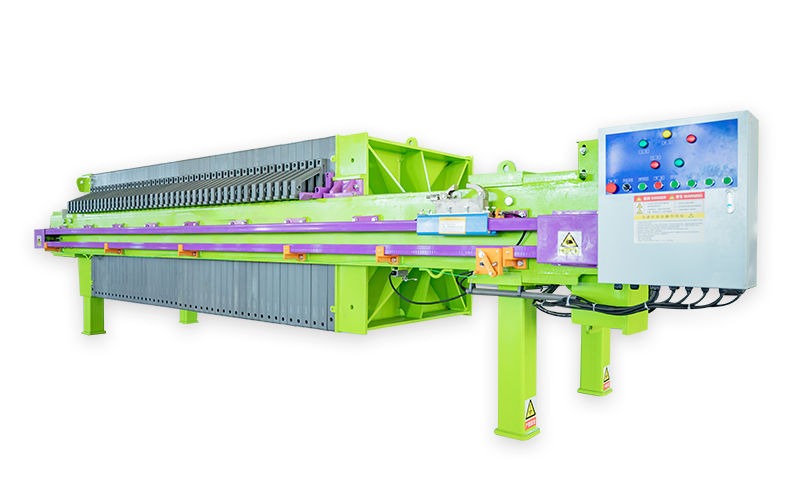
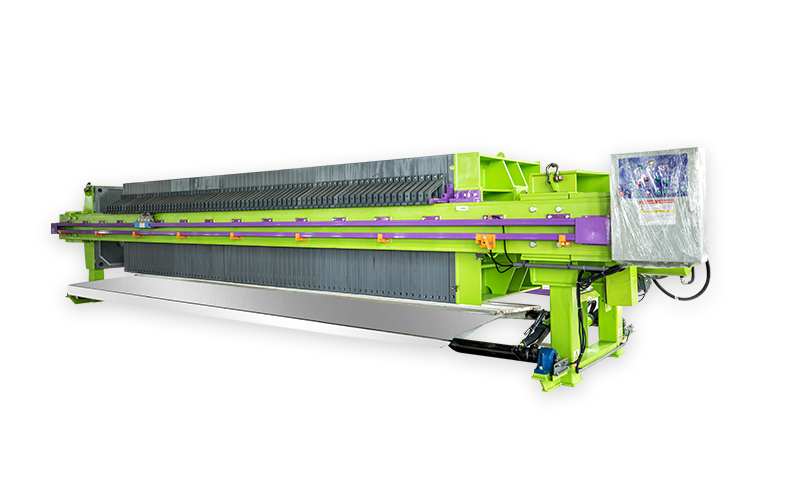
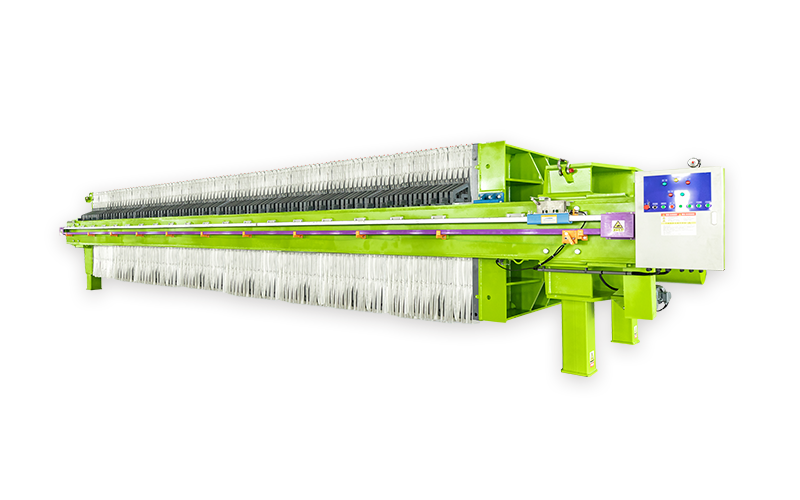
A 1250mm filter press is a type of mechanical filter used in various industrial processes, characterized by its **1250mm width**. This equipment consists of a series of filter plates arranged in a frame, where slurry is introduced under pressure. The filter plates are essential in retaining solids, enabling the liquid to pass through, thus achieving separation. The design of the filter press allows for **high solids loading** and effective cake discharge, contributing to the efficiency of operations.
The Importance of Size
The size of the filter press significantly influences its performance. The 1250mm width strikes a balance between capacity and efficiency, making it suitable for medium to large-scale operations. This size is particularly advantageous for industries that require efficient filtration without occupying excessive floor space.
3. Key Components of a 1250mm Filter Press
Understanding the key components of a 1250mm filter press is crucial to appreciating its functionality. The main parts include:
Filter Plates
Filter plates are typically made from materials such as polypropylene or stainless steel, depending on the application requirements. These plates form the filtration area, where the solids are collected.
Frame Structure
The frame supports the filter plates and provides stability during operation. A robust frame design is essential for enduring the high pressures involved in the filtration process.
Pumping System
The pumping system is responsible for delivering the slurry into the filter press. It should be capable of handling various viscosities and providing consistent pressure for optimal filtration.
Hydraulic System
The hydraulic system applies pressure to the filter plates, ensuring the filtration process occurs effectively. This system is crucial for achieving the desired solid-liquid separation.
Control Panel
Modern filter presses come equipped with advanced control panels that allow for automation and monitoring of the filtration process, enhancing operational efficiency.
4. Design Features for Enhanced Performance
The design of a 1250mm filter press incorporates several features that optimize its performance:
Modular Design
The modular design allows for easy customization and expansion. This flexibility ensures that the filter press can adapt to various applications, enhancing its usability across different industries.
High-Pressure Capability
The ability to operate under high pressures is a significant advantage of the 1250mm filter press. High pressure leads to better cake formation and improved filtration rates, ultimately enhancing overall efficiency.
Efficient Cake Discharge Mechanism
An efficient cake discharge mechanism reduces downtime and enhances productivity. Features such as automatic cake release systems ensure that the filter press operates seamlessly.
Energy Efficiency
Modern designs focus on reducing energy consumption while maintaining performance. Energy-efficient motors and hydraulic systems contribute to lower operational costs and a reduced environmental impact.
5. Operational Efficiency and Performance Metrics
To achieve optimal performance, understanding operational efficiency is vital. Key performance metrics include:
Filtration Rate
The filtration rate measures the volume of liquid that can be filtered per unit time. A higher filtration rate indicates better performance.
Filter Cake Characteristics
The quality of the filter cake—its dryness and solidity—affects overall efficiency. An effective filter press produces a drier cake, reducing disposal costs.
Cycle Time
The cycle time refers to the duration from slurry introduction to cake discharge. Minimizing cycle time enhances productivity and operational efficiency.
Maintenance Downtime
Regular maintenance is essential for ensuring consistent performance. Equipment that requires less maintenance translates to higher operational efficiency.
6. Applications of 1250mm Filter Presses
1250mm filter presses find applications in various industries, including:
Mining and Metallurgy
In mining, filter presses are used to dewater tailings, improving the recovery of valuable minerals.
Chemical Processing
In the chemical industry, they are used for separating solids from liquids in processes such as pigment production.
Food and Beverage
The food industry utilizes filter presses for clarifying juices and oils, ensuring product purity and quality.
Pharmaceuticals
Pharmaceutical manufacturers rely on filter presses to achieve the high levels of purity required in their products.
7. Maintenance Best Practices
To ensure the longevity and performance of a 1250mm filter press, it is essential to follow maintenance best practices:
Regular Inspections
Conduct regular inspections of all components, particularly the filter plates and hydraulic systems. Early detection of wear and tear can prevent costly repairs.
Cleaning Protocols
Establish cleaning protocols to remove residual materials from the press. This practice ensures optimal performance and reduces the risk of contamination.
Lubrication
Proper lubrication of moving parts is crucial for preventing friction and wear. Regularly check and maintain lubrication schedules.
Training Operators
Ensure operators are well-trained in the functioning and maintenance of the filter press. Knowledgeable operators can identify issues early and maximize equipment performance.
8. Future Trends in Filter Press Design
The future of filter press design is evolving, driven by technological advancements and the need for greater efficiency:
Automation and Smart Technology
Incorporating automation and smart technology will streamline operations, allowing for real-time monitoring and data analysis.
Eco-Friendly Materials
As industries strive for sustainability, the use of eco-friendly materials in filter press construction will gain traction.
Enhanced Energy Efficiency
Future designs will focus on improving energy efficiency even further, minimizing operational costs and environmental impact.
Advanced Filtration Technologies
Emerging filtration technologies will enhance the capabilities of filter presses, providing solutions for more complex filtration challenges.
9. Conclusion
The **1250mm filter press** is a crucial element in various industrial applications, delivering efficient solid-liquid separation. Its thoughtful design, comprising key components and innovative features, ensures optimal performance and reliability. Emphasizing regular maintenance and staying abreast of industry trends will further enhance operational efficiency. As we continue to innovate, the future of filter presses looks promising, paving the way for more sustainable and efficient industrial practices.
10. Frequently Asked Questions (FAQs)
1. What is the maximum pressure a 1250mm filter press can handle?
Most 1250mm filter presses can handle pressures ranging from 10 to 25 bar, depending on the specific design and materials used.
2. How often should a filter press be maintained?
Regular maintenance should be conducted every three to six months, depending on usage intensity and the specific operational conditions.
3. Can a 1250mm filter press be customized for specific applications?
Yes, many manufacturers offer customization options to cater to different industrial needs, including specific materials and sizes.
4. What are the energy consumption levels of a typical 1250mm filter press?
Energy consumption varies based on design and application, but modern filter presses are designed for high energy efficiency, often incorporating energy-saving technologies.
5. How do I know when to replace filter plates in a filter press?
Regular inspections will reveal wear and tear. If plates show significant deformation, leaks, or reduced performance, it’s time for a replacement.
Previous:
We sincerely look forward to cooperating with you!
Customized Filtration System Overall Solution
Contact Us
Contact Information
Nan Development Zone, Jingxian County, Hengshui City, Hebei Province
Online Consultation
If you are interested in our products, please leave your email address, and we will contact you as soon as possible. Thank you!