

Comprehensive Maintenance Tips for Your 800 Chamber Filter Press in Industrial Settings
Oct 06,2026


Comprehensive Maintenance Tips for Your 800 Chamber Filter Press in Industrial Settings
In industrial settings, the efficiency and reliability of equipment are crucial for maintaining productivity and minimizing downtime. Among the essential machinery is the 800 Chamber Filter Press, which plays a vital role in separating solids from liquids in various processes. Proper maintenance of this equipment is not just about extending its lifespan; it’s about ensuring consistent performance and reducing operational costs. In this article, we will provide detailed maintenance tips specifically designed for your 800 Chamber Filter Press, ensuring it operates at peak efficiency.
Table of Contents
- Understanding the 800 Chamber Filter Press
- Importance of Routine Maintenance
- Daily Maintenance Checklist
- Weekly Maintenance Practices
- Monthly and Annual Maintenance Tasks
- Troubleshooting Common Issues
- Signs of Wear and Tear
- Best Practices for Long-Term Maintenance
- Frequently Asked Questions
Understanding the 800 Chamber Filter Press
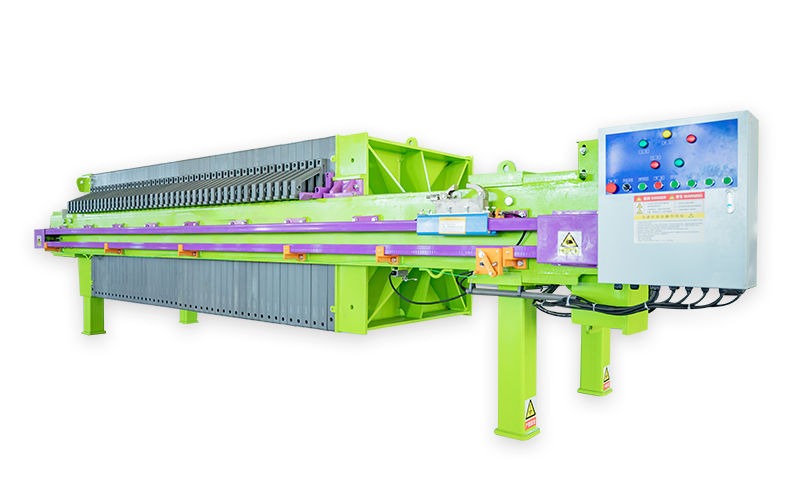
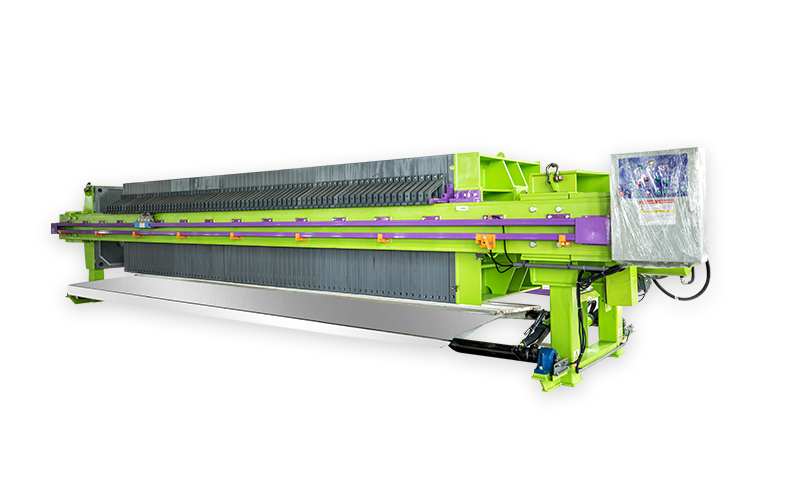
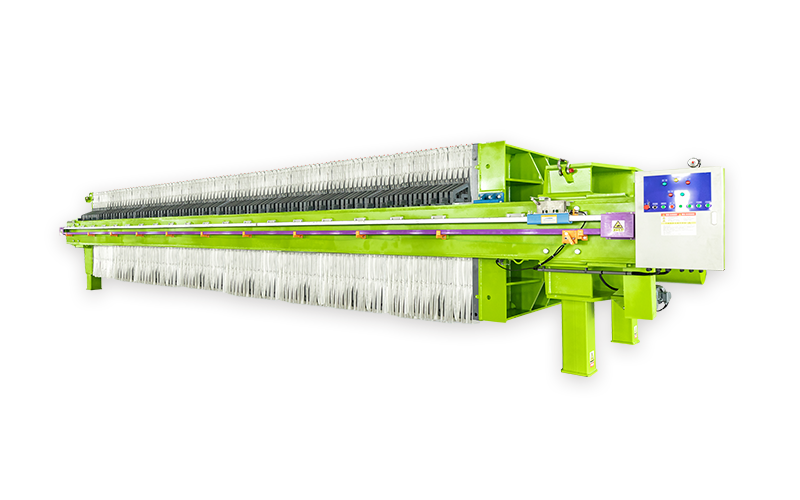
The 800 Chamber Filter Press is a robust piece of equipment used in various industrial applications to separate solids from liquids effectively. This machine utilizes pressure to force liquids through filter media, resulting in clearer effluent and drier cake. Understanding the components and functions of your filter press is essential for maintaining it properly. Key components include:
- Filter Plates: These are the heart of the filter press, where the actual separation of solids and liquids occurs.
- Filter Cloths: Used in conjunction with filter plates, cloths trap solid particles while allowing liquids to pass.
- Pumping System: Delivers the slurry into the filter press, ensuring uniform pressure across the plates.
- Control System: Automates the operation of the filter press and monitors performance metrics.
Importance of Routine Maintenance
Routine maintenance of your 800 Chamber Filter Press is crucial for several reasons:
- Enhanced Efficiency: Regular checks and cleaning keep the filter press operating efficiently, extending its service life.
- Reduced Downtime: Proactive maintenance helps identify issues before they escalate, minimizing unexpected breakdowns.
- Cost Savings: By maintaining the equipment, you can avoid costly repairs and replacements.
- Compliance: Routine checks ensure that the equipment meets environmental and safety regulations.
Daily Maintenance Checklist
Each day, before starting your operations, you should complete the following checklist to ensure your 800 Chamber Filter Press runs smoothly:
- Inspect the Control Panel: Ensure all indicators and alarms are functioning correctly.
- Check for Leaks: Look for any signs of fluid leakage around seals and joints.
- Examine Filter Cloths: Inspect for tears or excessive wear that may require replacement.
- Review Pump Performance: Ensure the pump is operating within specified parameters.
- Clean Filter Plates: Remove any residual materials from the previous cycle to prevent contamination.
Weekly Maintenance Practices
To keep your filter press in top condition, incorporate these weekly maintenance practices:
- Thorough Cleaning: Conduct a deep clean of the filter plates and cloths to remove accumulated solids.
- Inspect Hydraulic System: Check the hydraulic oil levels and condition, replacing if necessary.
- Calibrate Controls: Ensure that sensors and pressure gauges are calibrated for accurate readings.
- Check Mechanical Components: Review all moving parts for signs of wear and ensure they are lubricated adequately.
Monthly and Annual Maintenance Tasks
In addition to daily and weekly tasks, some maintenance activities should be performed monthly and annually:
Monthly Maintenance Tasks
- Inspect Filter Plates: Look for signs of warping or damage that may affect performance.
- Replace Filter Cloths: Depending on usage, consider replacing cloths to maintain efficiency.
- Review Safety Features: Ensure all safety features, such as emergency stops and alarms, are operational.
Annual Maintenance Tasks
- Full System Inspection: Conduct a comprehensive examination of all components.
- Hydraulic System Overhaul: Consider a complete hydraulic system check, including fluid replacement.
- Training and Certification: Provide continual training for operators to ensure they are knowledgeable about maintenance procedures.
Troubleshooting Common Issues
Despite regular maintenance, issues can arise with your 800 Chamber Filter Press. Knowing how to troubleshoot these common problems can save you time and reduce operational delays:
- Insufficient Cake Thickness: This may indicate clogged filter media or insufficient pressure. Inspect and clean accordingly.
- Slow Filtration Rate: This could be due to a worn-out filter cloth or an issue with the pumping system. Check both components.
- Leakages: Identify and replace any worn seals or gaskets to prevent material loss.
Signs of Wear and Tear
Being proactive about maintenance means recognizing the signs of wear and tear before they become significant issues. Look out for:
- Visual Damage: Cracks or chips on filter plates, which can affect the sealing process.
- Unusual Noises: Grinding or squeaking noises may indicate mechanical issues that require immediate attention.
- Inconsistent Performance: Variability in filtering efficiency could suggest problems with the filter cloths or hydraulic system.
Best Practices for Long-Term Maintenance
To ensure your 800 Chamber Filter Press remains operational for years to come, consider these long-term maintenance practices:
- Implement a Maintenance Schedule: Develop a calendar to track daily, weekly, monthly, and annual maintenance tasks.
- Utilize Quality Parts: When replacing components, always opt for OEM parts to maintain performance standards.
- Train Your Team: Educate operators on proper handling and maintenance to foster a culture of care.
- Keep Records: Maintain detailed logs of maintenance activities and repairs to track performance over time.
Frequently Asked Questions
1. How often should I clean the filter cloths?
It’s advisable to clean filter cloths daily to prevent clogging and maintain filtering efficiency.
2. What are the signs that I need to replace the filter plates?
Look for visible cracks, warping, or significant wear that could affect filtration performance.
3. Can I perform maintenance on the filter press myself?
Yes, but ensure you are trained and familiar with the equipment’s operational and safety protocols.
4. How do I know if my hydraulic system requires maintenance?
Monitor for unusual noises, leaks, or changes in pressure readings, which indicate potential issues.
5. What’s the best way to store a filter press when not in use?
Keep it in a dry, clean environment, and ensure it is properly cleaned and maintained before storage.
Conclusion
Maintaining your 800 Chamber Filter Press is vital for ensuring its efficiency, longevity, and overall performance in industrial settings. By following these comprehensive maintenance tips and best practices, you can minimize downtime, reduce operational costs, and enhance productivity. Remember, proactive maintenance is the key to avoiding costly repairs and ensuring that your equipment operates at peak performance. Implementing a structured maintenance schedule, training your team, and being aware of the signs of wear and tear will go a long way in achieving optimal results from your filter press. With a dedicated approach to maintenance, your 800 Chamber Filter Press will serve your industrial needs effectively for many years to come.
Previous:
We sincerely look forward to cooperating with you!
Customized Filtration System Overall Solution
Contact Us
Contact Information
Nan Development Zone, Jingxian County, Hengshui City, Hebei Province
Online Consultation
If you are interested in our products, please leave your email address, and we will contact you as soon as possible. Thank you!