

The Environmental Benefits of Using a 1250mm Filter Press: A Comprehensive Guide
Sep 30,2026


The Environmental Benefits of Using a 1250mm Filter Press
Table of Contents
1. Introduction to Filter Press Technology
2. Understanding the 1250mm Filter Press
3. Key Environmental Benefits of the 1250mm Filter Press
3.1. Minimization of Waste Generation
3.2. Water Conservation and Management
3.3. Reduction of Chemical Usage
3.4. Lower Energy Consumption
3.5. Enhanced Resource Recovery
4. Applicat
The Environmental Benefits of Using a 1250mm Filter Press
Table of Contents
1. Introduction to Filter Press Technology
2. Understanding the 1250mm Filter Press
3. Key Environmental Benefits of the 1250mm Filter Press
3.1. Minimization of Waste Generation
3.2. Water Conservation and Management
3.3. Reduction of Chemical Usage
3.4. Lower Energy Consumption
3.5. Enhanced Resource Recovery
4. Applications of the 1250mm Filter Press Across Industries
5. Comparing Filter Presses: 1250mm vs. Other Sizes
6. Maintenance and Sustainability Practices
7. Frequently Asked Questions
8. Conclusion
1. Introduction to Filter Press Technology
In today’s industrial landscape, the push for sustainable practices has never been more crucial. One vital tool that can drive this change is the **filter press**. Specifically, the **1250mm filter press** stands out as a robust solution for various sectors, including mining, food processing, and wastewater treatment. By focusing on efficiency and environmental impact, we can explore how such equipment contributes to a greener industry while maintaining high operational standards.
2. Understanding the 1250mm Filter Press
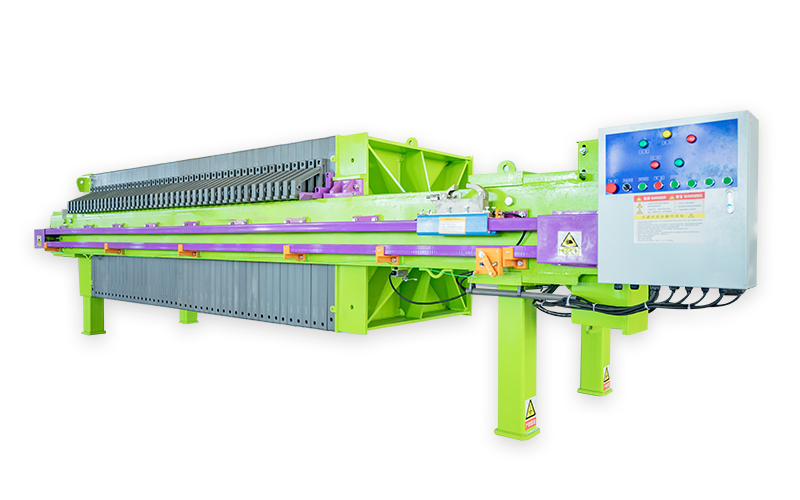
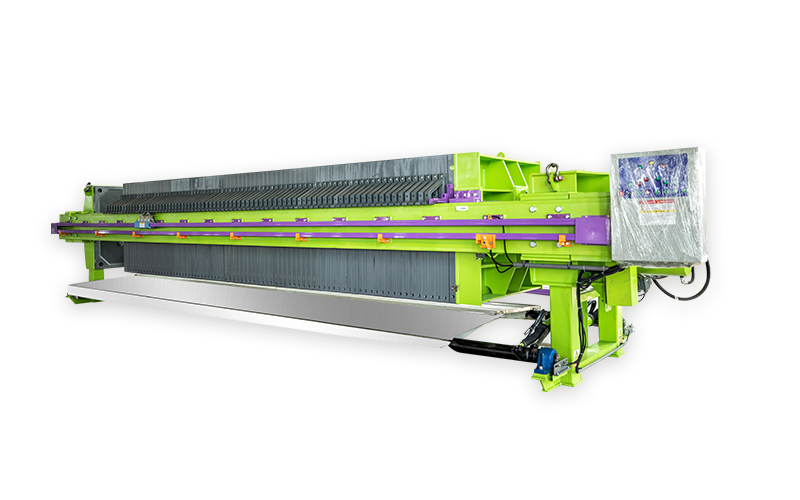
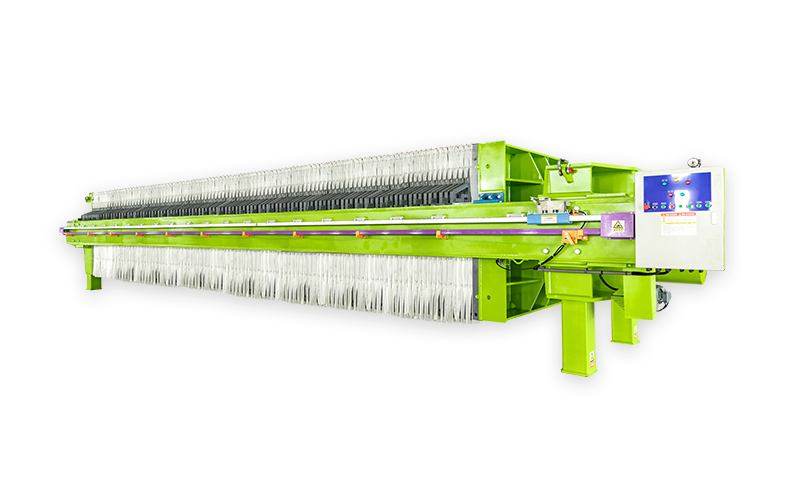
A **1250mm filter press** is a mechanical device that separates solids from liquids through pressure filtration. This technology utilizes a series of plates and frames to create chambers where slurry is pumped in and subsequently filtered. The dimensions of a 1250mm filter press indicate that it has a 1250mm plate size, allowing for a significant throughput of materials, making it particularly suitable for large-scale operations.
The operation of this equipment is straightforward yet effective. When slurry is introduced, the liquid passes through the filter cloth, leaving solids behind. This process can be repeated multiple times, which not only improves efficiency but also maximizes recovery rates of materials, which leads us to the environmental benefits.
3. Key Environmental Benefits of the 1250mm Filter Press
The **1250mm filter press** presents numerous environmental advantages that can contribute to the overall sustainability of industrial operations.
3.1. Minimization of Waste Generation
One of the primary environmental benefits of using a **1250mm filter press** is its ability to minimize waste generation. By efficiently separating solids from liquids, industries can reduce the volume of waste sent to landfills. This results in less environmental degradation and lowers disposal costs.
Efficient waste management not only cleans up the operational process but also aligns with global sustainability goals. Companies can demonstrate their commitment to reducing their ecological footprint by investing in such technologies.
3.2. Water Conservation and Management
Water is a precious resource, and industries that rely on large quantities for processing are increasingly being scrutinized for their usage. The **1250mm filter press** significantly enhances water conservation efforts. By facilitating the recycling of water in processes, companies can reuse filtered water instead of discharging it as waste. This not only conserves water but also reduces the need for extensive water treatment processes, which can be energy-intensive.
3.3. Reduction of Chemical Usage
Many industries utilize chemicals in their processes, which can have detrimental effects on the environment if not managed properly. The **1250mm filter press** can help reduce the quantity of chemicals required. By improving the separation of solids, there is often less need for additional chemicals to treat waste products. This not only minimizes chemical runoff but also protects surrounding ecosystems.
3.4. Lower Energy Consumption
Energy efficiency is a critical aspect of sustainable industrial practices. The **1250mm filter press** operates using hydraulic pressure, which can be more energy-efficient compared to other methods of filtration. By utilizing this technology, companies can lower their energy consumption, leading to reduced greenhouse gas emissions and a lesser impact on climate change.
3.5. Enhanced Resource Recovery
The ability of a **1250mm filter press** to effectively separate solids from liquids allows for enhanced resource recovery. This means that valuable materials that would otherwise be considered waste can be captured and reused. For instance, in mining operations, metals can be separated from tailings, promoting a circular economy and reducing the need to extract new resources.
4. Applications of the 1250mm Filter Press Across Industries
The **1250mm filter press** is versatile and finds applications across various industries. Some of the notable sectors include:
- **Mining and Mineral Processing**: Used for separating valuable minerals from waste materials.
- **Food and Beverage**: Employed in juice extraction and wine clarification processes.
- **Wastewater Treatment**: Effective in treating industrial and municipal wastewater.
- **Chemical Production**: Used for the recovery of valuable chemicals from slurries.
Each application underscores the adaptability of the **1250mm filter press** to meet diverse industrial needs while promoting environmentally conscious practices.
5. Comparing Filter Presses: 1250mm vs. Other Sizes
When considering filtration equipment, size matters. The **1250mm filter press** strikes a balance between efficiency and management of space. Compared to smaller filter presses, it offers higher throughput, making it suitable for larger operations. In contrast to larger models, it is often more cost-effective and easier to maintain.
Selecting the right size filter press depends on specific operational needs, but the **1250mm option** is frequently favored for its optimal capacity, effectiveness, and environmental advantages.
6. Maintenance and Sustainability Practices
To ensure that a **1250mm filter press** continues to operate at peak efficiency, regular maintenance is essential. This includes checking for wear and tear on the filter cloth, hydraulic systems, and mechanical parts. Implementing a routine maintenance schedule not only prolongs the lifespan of the equipment but also enhances its environmental benefits by ensuring consistent performance.
Incorporating sustainability practices, such as using biodegradable lubricants and recycling parts, can further enhance the ecological footprint of the operation.
7. Frequently Asked Questions
What industries benefit most from using a 1250mm filter press?
The **1250mm filter press** is beneficial across multiple industries, including mining, food and beverage, wastewater treatment, and chemical production.
How does a 1250mm filter press work?
It works by using hydraulic pressure to pump slurry into chambers formed by plates and frames, allowing liquids to pass through while retaining solids.
What are the key environmental benefits of using a filter press?
Key benefits include the minimization of waste generation, water conservation, reduced chemical usage, lower energy consumption, and enhanced resource recovery.
How often should a 1250mm filter press be maintained?
Regular maintenance should be performed according to the manufacturer's recommendations, typically every few months, depending on usage.
Can a 1250mm filter press help reduce operational costs?
Yes, by minimizing waste disposal costs, reducing chemical usage, and enhancing water recycling, a 1250mm filter press can lead to significant cost savings.
8. Conclusion
The **1250mm filter press** is more than just an industrial tool; it represents a crucial step toward sustainable practices in various sectors. By reducing waste generation, conserving water, cutting down on chemical use, lowering energy consumption, and enhancing resource recovery, this technology plays a vital role in fostering environmental responsibility within industries.
As companies continue to seek ways to operate more sustainably, investing in a **1250mm filter press** presents an opportunity to align operational goals with environmental stewardship. Embracing such innovations not only supports better business practices but also contributes to a healthier planet for future generations.
Previous:
We sincerely look forward to cooperating with you!
Customized Filtration System Overall Solution
Contact Us
Contact Information
Nan Development Zone, Jingxian County, Hengshui City, Hebei Province
Online Consultation
If you are interested in our products, please leave your email address, and we will contact you as soon as possible. Thank you!