

Troubleshooting Common Issues with 800mm Filter Presses: A Comprehensive Guide
Sep 24,2026


Troubleshooting Common Issues with 800mm Filter Presses
Table of Contents
- Introduction to 800mm Filter Presses
- Understanding How Filter Presses Work
- Common Issues with 800mm Filter Presses
- 1. Inadequate Cake Formation
- 2. Leaking Filter Press
- 3. Slow Filtration Rate
- Maintenance Tips for Optimal Performance
- When to Call an Expert
- Conclusion
- FAQs About 800mm Filter Presses
Introduction to 800mm Filter Presses
In the industrial sector, **800mm filter presses** play a pivotal role in the separation of solids from liquids. These machines are designed to facilitate high-pressure filtration processes, enabling various industries to achieve efficient solid-liquid separation. However, like any equipment, they are prone to issues that can disrupt performance and efficiency. This guide aims to equip users with the knowledge to troubleshoot common problems associated with 800mm filter presses, ensuring optimal operation and longevity of the equipment.
Understanding How Filter Presses Work
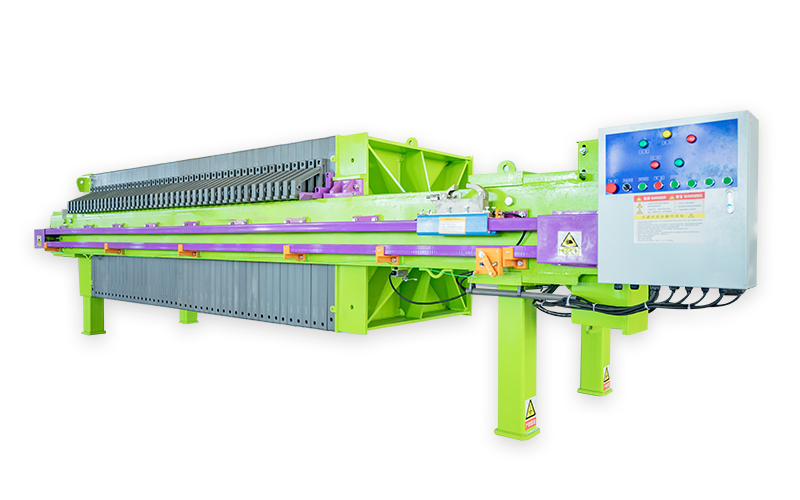
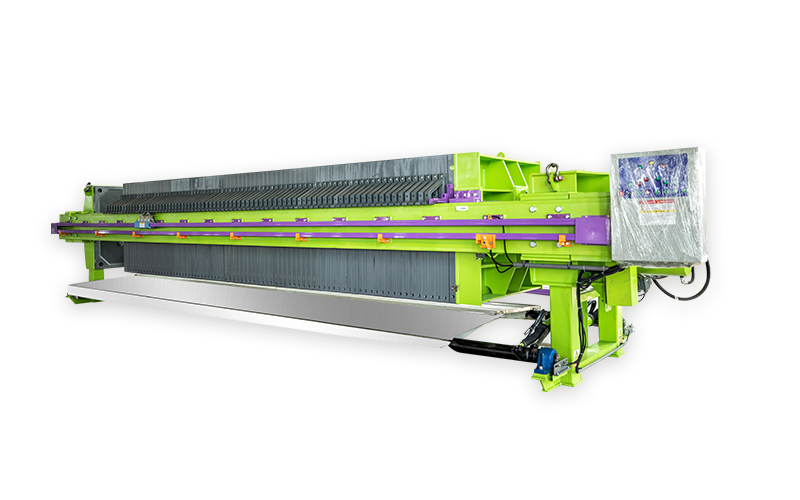
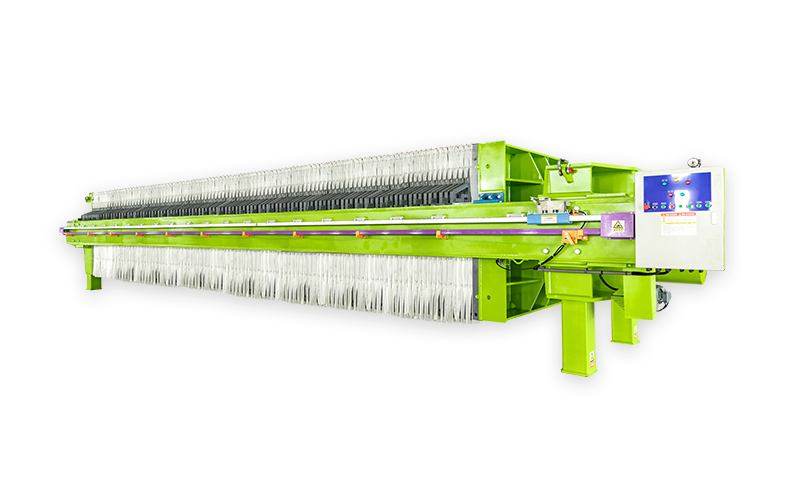
Filter presses operate on a simple yet effective principle: applying pressure to a slurry to separate the liquid from the solid particles. The process involves several key components: the **filter plates**, **filter cloth**, and **hydraulic systems**. When the slurry is pumped into the press, it fills the chambers formed by the plates. The pressure then compacts the solids, forming a cake while allowing the liquid to escape through the cloth. Understanding this mechanism is crucial for diagnosing issues effectively.
Common Issues with 800mm Filter Presses
While 800mm filter presses are designed for reliability, various issues can arise during their operation. Recognizing and addressing these problems promptly can prevent costly downtime and repairs. Below, we outline some of the most prevalent issues encountered with these machines.
1. Inadequate Cake Formation
One of the most common problems faced by operators is **inadequate cake formation**. This issue can manifest as a thin or weak cake that fails to retain its shape. Factors contributing to this problem include:
- **Improper slurry composition**: The ratio of solids to liquids in the slurry can affect cake formation. Adjusting the slurry's viscosity and concentration may yield better results.
- **Insufficient pressure**: If the hydraulic pressure is not adequately set, the solids may not compact effectively. Regularly check and calibrate the hydraulic system to maintain optimal pressure levels.
- **Cloth wear and tear**: Worn or damaged filter cloths can lead to poor filtration. Inspect the cloth for signs of wear and replace it when necessary.
By addressing these factors, operators can enhance cake formation and improve overall filtration performance.
2. Leaking Filter Press
Another significant issue is a **leaking filter press**, which can lead to material loss and environmental contamination. Common causes of leaks include:
- **Faulty seals**: The seals that secure the plates may wear down over time, leading to leaks. Regular inspections and timely replacement of seals can mitigate this issue.
- **Misaligned plates**: If the plates are not properly aligned, the press may not close tightly, resulting in leaks. Ensure that plates are correctly positioned before operation.
- **Hydraulic malfunctions**: Issues within the hydraulic system can prevent the press from sealing properly. Routine maintenance and monitoring of hydraulic components are essential.
Addressing leaks promptly is crucial for maintaining filter press efficiency and preventing product loss.
3. Slow Filtration Rate
A **slow filtration rate** can hinder productivity and lead to operational delays. Factors that can cause this issue include:
- **Clogged filter cloth**: Over time, filter cloth can become clogged with cake material, impeding the flow of liquid. Regular cleaning and maintenance of the filter cloth can prevent this.
- **Inadequate slurry feed**: If the slurry feed rate is too low, it can result in slow filtration. Optimize the feed rate to match the equipment's capacity.
- **Pump issues**: Malfunctions with the pump system can lead to decreased flow rates. Regularly check the pump for clogs, wear, and other issues.
By identifying and resolving these issues, operators can significantly improve filtration rates and overall process efficiency.
Maintenance Tips for Optimal Performance
Proper maintenance is crucial for ensuring the longevity and efficiency of 800mm filter presses. Here are some key maintenance tips:
- **Regular Inspections**: Conduct periodic inspections of the filter press components, including the plates, cloths, hydraulic system, and seals. Look for signs of wear and address issues promptly.
- **Cloth Cleaning**: Implement a cleaning routine for filter cloths to prevent clogging and enhance filtration performance.
- **Hydraulic System Checks**: Regularly monitor the hydraulic system's pressure levels and fluid quality. Replace fluids per manufacturer guidelines.
- **Operational Training**: Ensure that all operators are well-trained in the proper operation and maintenance of the filter press to minimize human error.
By adhering to these maintenance practices, operators can ensure their 800mm filter presses operate at peak performance.
When to Call an Expert
While many issues can be resolved through basic troubleshooting and maintenance, some situations may require expert intervention. Consider reaching out to a professional when:
- **Persistent Problems**: If issues persist despite troubleshooting efforts, an expert can provide specialized knowledge and repair services.
- **Complex Repairs**: Certain repairs, especially those involving the hydraulic system, may require advanced skills and tools.
- **Equipment Upgrades**: If you're considering upgrading your filter press or integrating new technology, consulting with an expert can provide valuable insights.
Knowing when to seek help can save time and resources in the long run.
Conclusion
In summary, troubleshooting common issues with 800mm filter presses is essential for maintaining operational efficiency and minimizing downtime. By understanding the underlying causes of problems like inadequate cake formation, leaking presses, and slow filtration rates, operators can implement effective solutions. Regular maintenance and timely expert intervention are key to ensuring these critical pieces of equipment perform optimally. With the right knowledge and practices, you can maximize the lifespan and productivity of your filter presses.
FAQs About 800mm Filter Presses
1. What is the typical lifespan of an 800mm filter press?
The lifespan of an 800mm filter press can vary based on usage, maintenance, and operating conditions, but with proper care, it can last several years.
2. How often should I replace the filter cloth?
Filter cloth should be inspected regularly and replaced when signs of wear or clogging are evident. Depending on usage, this could be every few months to annually.
3. What are the signs of a failing hydraulic system?
Signs of a failing hydraulic system include unusual noises, leaks, inconsistent pressure levels, and slower operation times.
4. Can I perform maintenance on the filter press myself?
Many maintenance tasks can be performed by operators, but complex repairs should be handled by qualified professionals to ensure safety and equipment integrity.
5. How can I improve the efficiency of my filter press?
Improving the efficiency of your filter press can be achieved by optimizing the slurry feed rate, maintaining proper pressure levels, and ensuring regular cleaning and maintenance of components.
Previous:
We sincerely look forward to cooperating with you!
Customized Filtration System Overall Solution
Contact Us
Contact Information
Nan Development Zone, Jingxian County, Hengshui City, Hebei Province
Online Consultation
If you are interested in our products, please leave your email address, and we will contact you as soon as possible. Thank you!