

Maximizing Efficiency: The Benefits of a 1500 Filter Press for Sludge Dewatering
Sep 15,2026


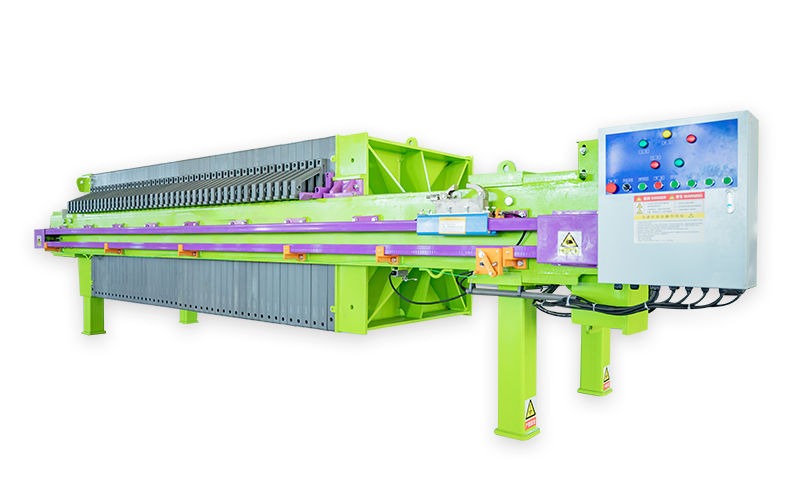
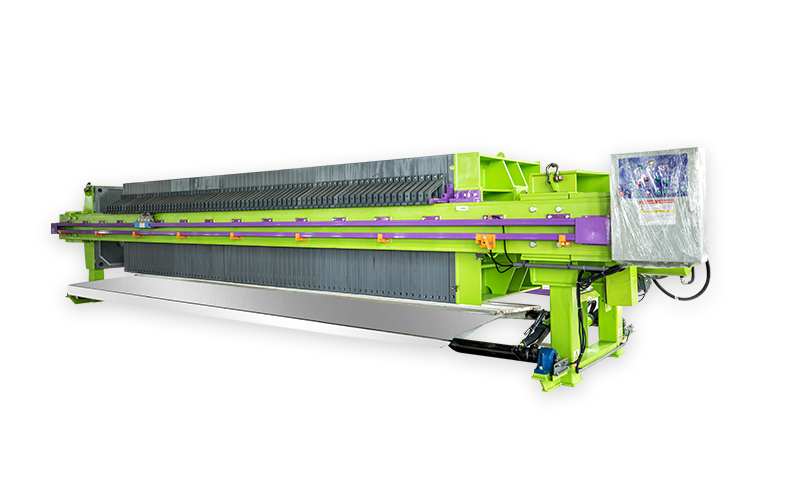
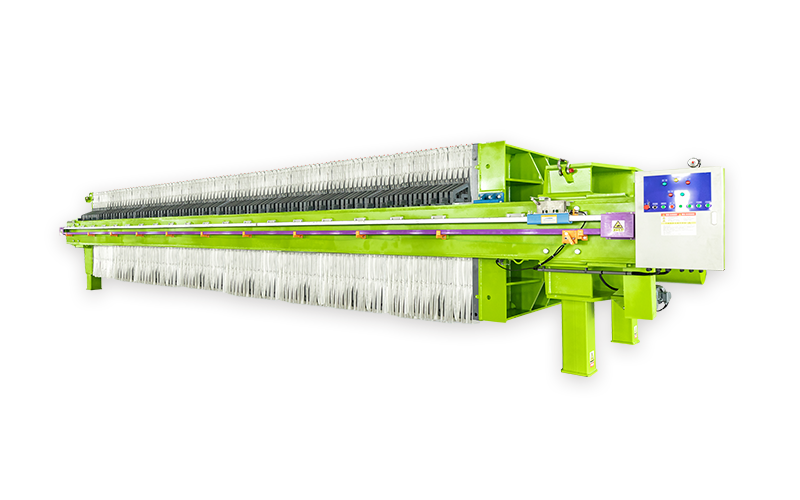
When it comes to sludge dewatering in industrial settings, the selection of the right equipment can significantly impact operational efficiency and waste management. One highly effective solution is the 1500 filter press, a specialized piece of equipment designed to handle large volumes of sludge while ensuring optimal dewatering performance.
The 1500 filter press operates by using pressure to se
When it comes to sludge dewatering in industrial settings, the selection of the right equipment can significantly impact operational efficiency and waste management. One highly effective solution is the 1500 filter press, a specialized piece of equipment designed to handle large volumes of sludge while ensuring optimal dewatering performance.
The 1500 filter press operates by using pressure to separate liquid from solid materials. This process is vital for industries such as wastewater treatment, food processing, and mining, where managing sludge is a critical concern. By investing in a 1500 filter press, businesses can achieve a range of benefits that enhance overall productivity.
Firstly, a 1500 filter press is known for its high throughput capacity. It can efficiently manage large volumes of sludge, making it suitable for medium to large-scale operations. This capability reduces the time required for dewatering, allowing for quicker processing and minimizing downtime. As a result, facilities can handle greater loads without the need for additional equipment, ultimately leading to cost savings.
Another significant advantage is the quality of the dewatered sludge. The 1500 filter press is designed to produce a dry cake that is easier to handle and dispose of, reducing transportation and disposal costs. A dryer cake also minimizes the volume of waste that needs to be treated or disposed of, contributing to more sustainable operations.
Moreover, the efficiency of the 1500 filter press can lead to lower energy consumption compared to other dewatering methods. With its optimized design and effective pressure application, it requires less energy to achieve the same or better results than traditional methods. This not only reduces operational costs but also aligns with the growing emphasis on energy efficiency and sustainability in industrial practices.
Additionally, maintenance considerations should not be overlooked. A well-designed 1500 filter press typically features accessible components that simplify maintenance procedures. Regular maintenance is essential for ensuring consistent performance, and the ease of access can reduce downtime associated with repairs and upkeep.
In conclusion, utilizing a 1500 filter press for sludge dewatering can significantly enhance the efficiency and sustainability of industrial operations. By improving throughput, producing high-quality dewatered sludge, and reducing energy consumption, businesses can optimize their waste management processes. As industries continue to seek innovative solutions to streamline operations and minimize environmental impact, the 1500 filter press stands out as a strategic investment in modern sludge management.
We sincerely look forward to cooperating with you!
Customized Filtration System Overall Solution
Contact Us
Contact Information
Nan Development Zone, Jingxian County, Hengshui City, Hebei Province
Online Consultation
If you are interested in our products, please leave your email address, and we will contact you as soon as possible. Thank you!