

Maximizing Efficiency: The Role of 1000 Chamber Filter Press in Electroplating Waste Treatment
Sep 09,2026


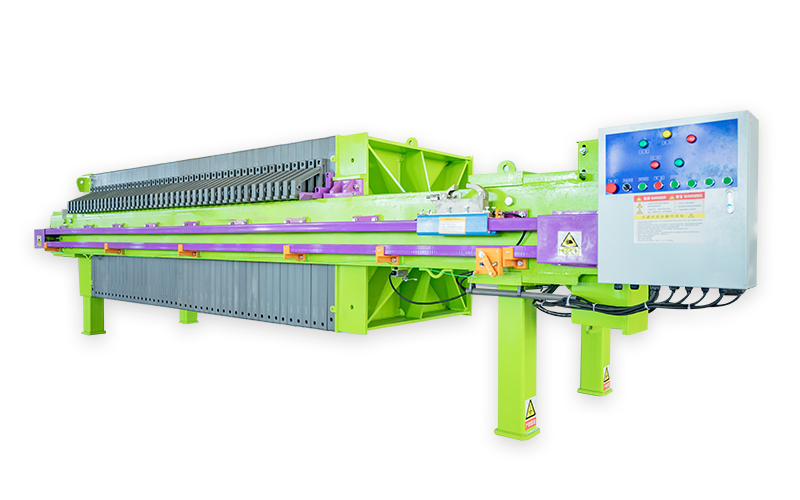
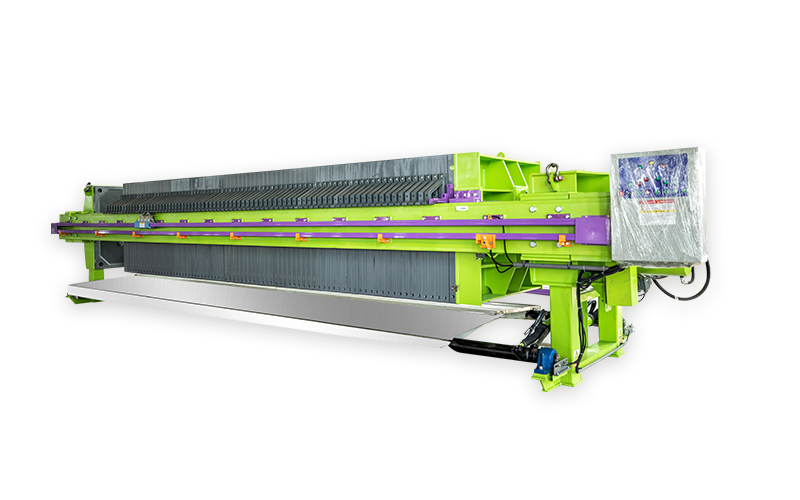
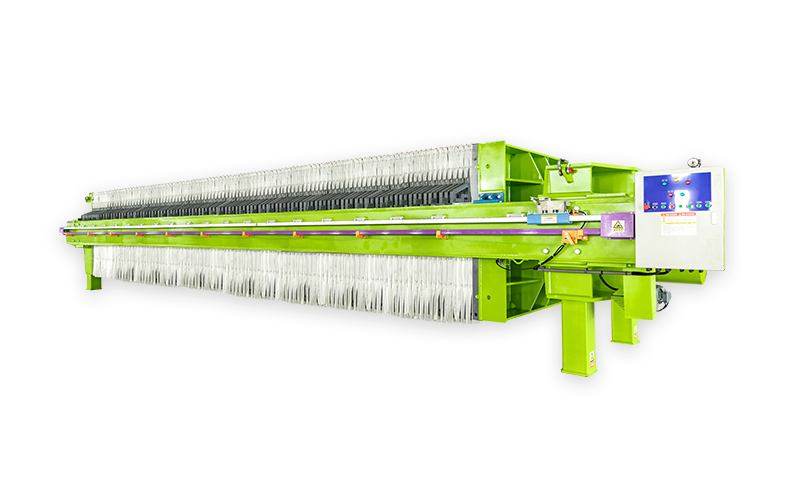
In the electroplating industry, the management of wastewater is critical for both regulatory compliance and environmental sustainability. One effective solution that has gained significant attention is the 1000 chamber filter press. This robust industrial equipment is designed to handle the challenges presented by the vast amounts of waste generated during electroplating processes.
The core functi
In the electroplating industry, the management of wastewater is critical for both regulatory compliance and environmental sustainability. One effective solution that has gained significant attention is the 1000 chamber filter press. This robust industrial equipment is designed to handle the challenges presented by the vast amounts of waste generated during electroplating processes.
The core function of a filter press is to separate solid and liquid components from a slurry. In the context of electroplating, the waste often contains heavy metals and other contaminants that are detrimental to the environment. The 1000 chamber filter press utilizes a series of chambers to filter out solids from the liquid waste efficiently. By doing so, it not only facilitates the recovery of valuable metals but also reduces the volume of hazardous waste that needs to be treated or disposed of.
One of the primary advantages of a 1000 chamber filter press is its operational efficiency. These presses can process large volumes of waste in a relatively short amount of time, making them ideal for operations that require high throughput. The design of the filter press allows for continuous operation, meaning that while one batch is being processed, another can be prepared, thus maximizing productivity.
Another significant benefit of utilizing a 1000 chamber filter press is its contribution to environmental protection. By effectively removing harmful substances from electroplating waste, this equipment plays a vital role in minimizing pollution. This not only helps companies comply with stringent environmental regulations but also enhances their corporate social responsibility image. The ability to recycle metals from electroplating waste further adds to its sustainability profile, providing a secondary source of raw materials.
Moreover, the technical advancements in filter press technology, such as automated controls and enhanced filtration media, have improved the effectiveness of these machines. These innovations ensure that the 1000 chamber filter press operates at optimal efficiency, providing reliable results and reducing downtime.
In conclusion, the 1000 chamber filter press stands as a crucial piece of equipment in the electroplating industry. Its ability to efficiently manage waste while supporting environmental sustainability makes it an indispensable tool for modern manufacturing practices. By investing in such innovative filtration solutions, businesses can enhance their operational efficiency, ensure compliance with environmental standards, and contribute positively to ecological conservation efforts.
The core function of a filter press is to separate solid and liquid components from a slurry. In the context of electroplating, the waste often contains heavy metals and other contaminants that are detrimental to the environment. The 1000 chamber filter press utilizes a series of chambers to filter out solids from the liquid waste efficiently. By doing so, it not only facilitates the recovery of valuable metals but also reduces the volume of hazardous waste that needs to be treated or disposed of.
One of the primary advantages of a 1000 chamber filter press is its operational efficiency. These presses can process large volumes of waste in a relatively short amount of time, making them ideal for operations that require high throughput. The design of the filter press allows for continuous operation, meaning that while one batch is being processed, another can be prepared, thus maximizing productivity.
Another significant benefit of utilizing a 1000 chamber filter press is its contribution to environmental protection. By effectively removing harmful substances from electroplating waste, this equipment plays a vital role in minimizing pollution. This not only helps companies comply with stringent environmental regulations but also enhances their corporate social responsibility image. The ability to recycle metals from electroplating waste further adds to its sustainability profile, providing a secondary source of raw materials.
Moreover, the technical advancements in filter press technology, such as automated controls and enhanced filtration media, have improved the effectiveness of these machines. These innovations ensure that the 1000 chamber filter press operates at optimal efficiency, providing reliable results and reducing downtime.
In conclusion, the 1000 chamber filter press stands as a crucial piece of equipment in the electroplating industry. Its ability to efficiently manage waste while supporting environmental sustainability makes it an indispensable tool for modern manufacturing practices. By investing in such innovative filtration solutions, businesses can enhance their operational efficiency, ensure compliance with environmental standards, and contribute positively to ecological conservation efforts.
Previous:
We sincerely look forward to cooperating with you!
Customized Filtration System Overall Solution
Contact Us
Contact Information
Nan Development Zone, Jingxian County, Hengshui City, Hebei Province
Online Consultation
If you are interested in our products, please leave your email address, and we will contact you as soon as possible. Thank you!