

Maximizing Efficiency: The Role of a 1500 Filter Press in Sludge Dewatering
Aug 28,2026


In the realm of industrial equipment, particularly in the filtration and dewatering sectors, the 1500 filter press stands out as a vital tool for effective sludge management. Sludge dewatering is crucial in various industries, including wastewater treatment, food processing, and mining, as it reduces the volume of waste and enhances the efficiency of subsequent processing steps. Understanding the
In the realm of industrial equipment, particularly in the filtration and dewatering sectors, the 1500 filter press stands out as a vital tool for effective sludge management. Sludge dewatering is crucial in various industries, including wastewater treatment, food processing, and mining, as it reduces the volume of waste and enhances the efficiency of subsequent processing steps. Understanding the mechanics and benefits of a 1500 filter press can significantly impact operational efficiency and reduce costs.
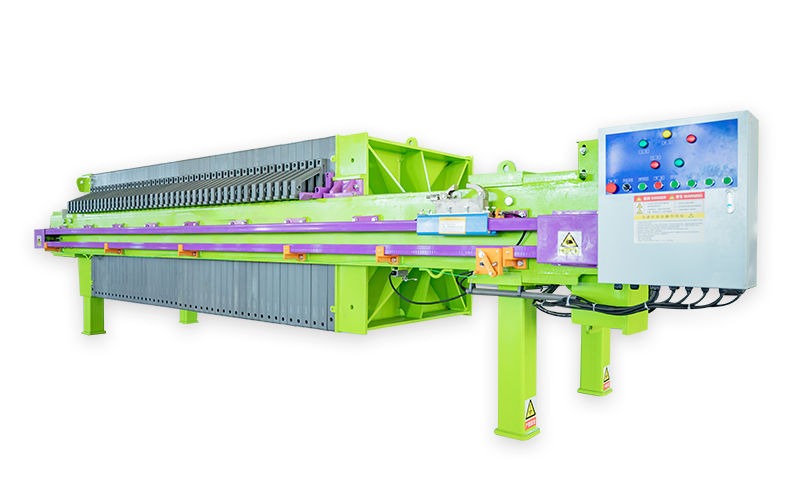
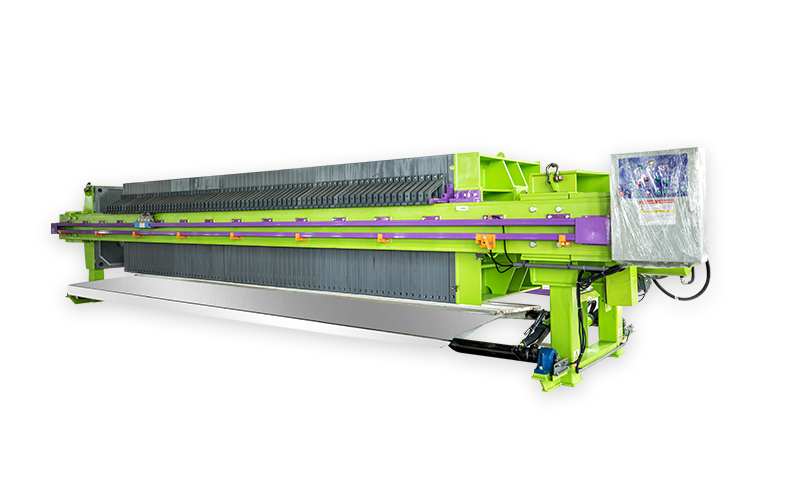
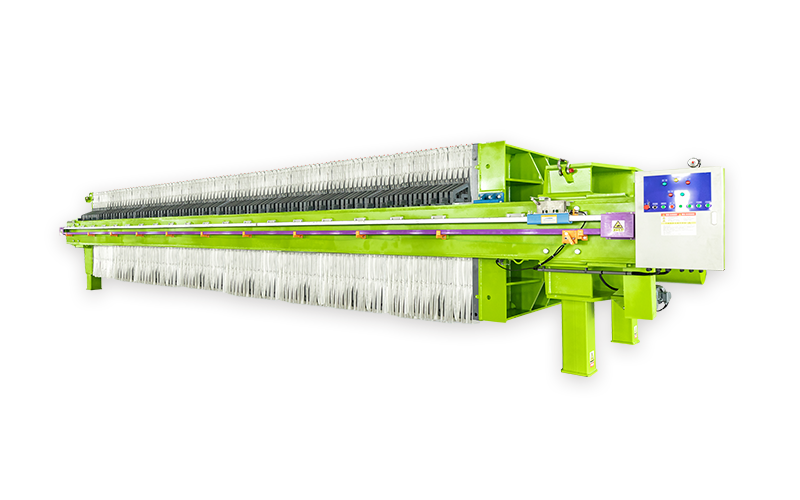
A filter press operates by applying pressure to a slurry, which is a mixture of solids and liquids. The key components include filter plates, filter cloths, and a hydraulic system. In the case of a 1500 filter press, it is designed to handle larger volumes of sludge, making it ideal for industrial applications that require significant throughput. The equipment's configuration allows for the removal of excess water, resulting in a concentrated cake of solid waste that is easier to handle and dispose of.
One of the primary advantages of using a 1500 filter press for sludge dewatering is its efficiency in separating solids from liquids. This process not only minimizes the volume of sludge but also reduces transportation and disposal costs associated with wastewater treatment. Moreover, the dewatered sludge can often be repurposed or processed further, leading to potential revenue generation or cost savings for businesses.
Another critical aspect to consider is the operational flexibility of the 1500 filter press. It can be utilized in a variety of applications, including municipal wastewater treatment plants, industrial effluent treatment, and even in food processing where waste minimization is vital. The adaptability of this equipment ensures that it can meet the diverse needs of different industries, making it a valuable investment.
Maintenance and operational training are also essential when integrating a 1500 filter press into existing processes. Regular maintenance checks can enhance the lifespan of the equipment and maintain its efficiency. Additionally, training staff on proper operation and troubleshooting can prevent costly downtime and ensure optimal performance.
As industries continue to prioritize sustainability and environmental responsibility, the role of efficient sludge dewatering solutions like the 1500 filter press becomes increasingly important. By understanding its capabilities and benefits, professionals can make informed decisions that enhance operational efficiency while contributing to a cleaner environment. Embracing such advanced filtration technologies not only aligns with regulatory requirements but also enhances a company's reputation as a responsible corporate citizen.
We sincerely look forward to cooperating with you!
Customized Filtration System Overall Solution
Contact Us
Contact Information
Nan Development Zone, Jingxian County, Hengshui City, Hebei Province
Online Consultation
If you are interested in our products, please leave your email address, and we will contact you as soon as possible. Thank you!