

Maximizing Efficiency: The Role of the 1500 Filter Press for Sludge Dewatering
Aug 18,2026


In the realm of industrial equipment, especially in the area of filtration technologies, the 1500 filter press has emerged as a vital tool for sludge dewatering. This type of equipment plays a crucial role in separating liquid and solid components of sludge, thus facilitating the management of wastewater and reducing the volume of waste that must be disposed of. Understanding the mechanics and ben
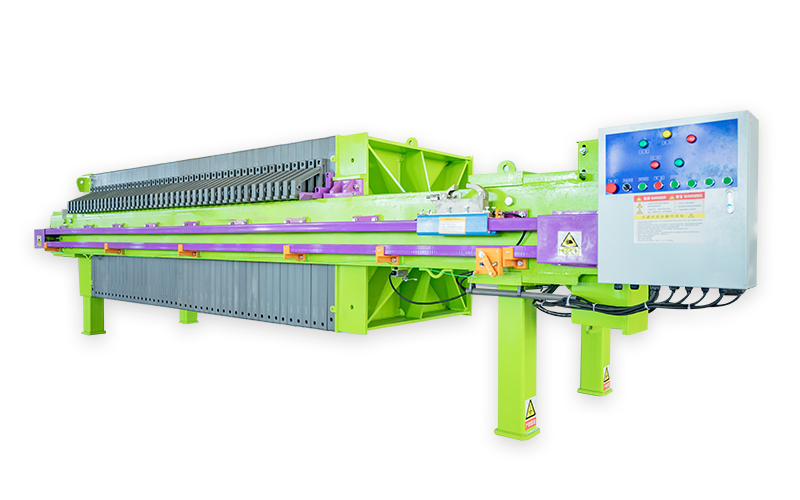
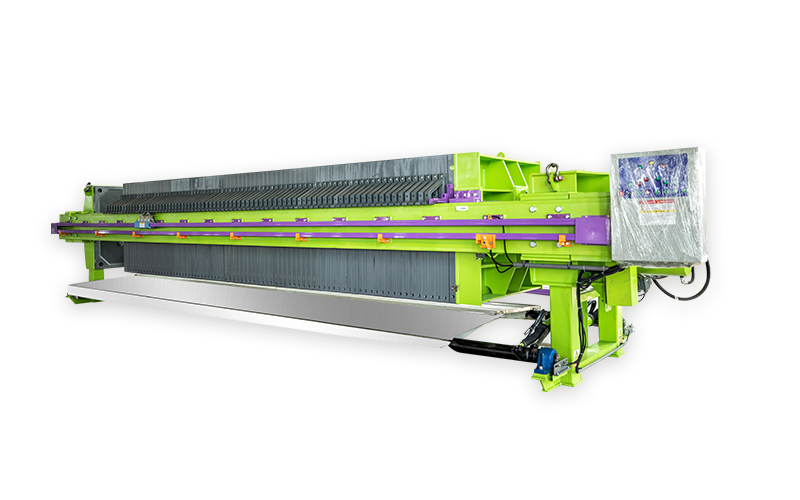
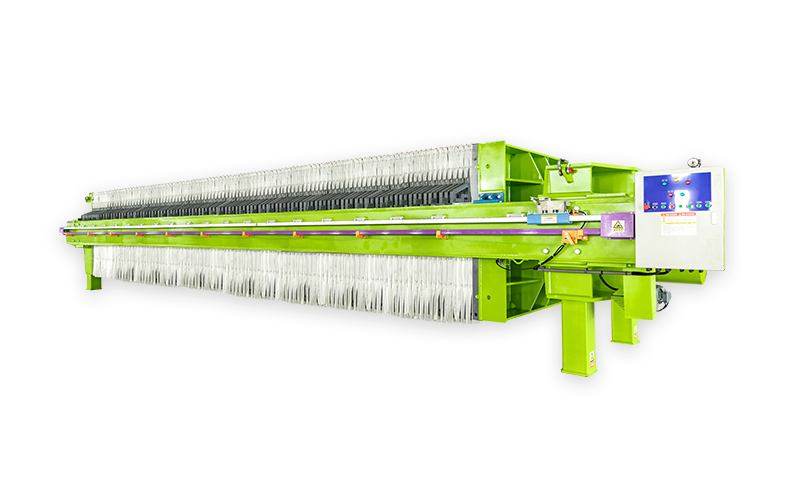
In the realm of industrial equipment, especially in the area of filtration technologies, the 1500 filter press has emerged as a vital tool for sludge dewatering. This type of equipment plays a crucial role in separating liquid and solid components of sludge, thus facilitating the management of wastewater and reducing the volume of waste that must be disposed of. Understanding the mechanics and benefits of the 1500 filter press can greatly enhance operational efficiency in various industrial applications.
The 1500 filter press operates based on a simple yet effective principle: it uses pressure to push sludge through filter cloths, allowing the liquid to pass through while retaining the solid particles. This process not only minimizes water content but also improves the handling characteristics of the sludge. By significantly reducing the volume of waste, businesses can cut down on disposal costs and environmental impact.
One of the key advantages of the 1500 filter press is its versatility. It can handle a wide range of sludge types, including municipal, industrial, and agricultural waste. The equipment can be customized with different filter cloth materials and plate configurations, allowing it to adapt to specific sludge characteristics and operational requirements. This flexibility ensures that industries can achieve optimal dewatering results tailored to their unique challenges.
Moreover, the efficiency of the 1500 filter press is further enhanced through automation. Modern models are equipped with advanced controls that facilitate real-time monitoring and adjustment of the dewatering process. This automation not only improves accuracy but also minimizes manual intervention, reducing labor costs and operational risks. Additionally, many systems include features that allow for quick cleaning and maintenance, ensuring that downtime is kept to a minimum.
Environmental compliance is another critical aspect of sludge management. The 1500 filter press contributes to sustainable practices by minimizing wastewater discharge and promoting the recovery of useful materials. Treated sludge can often be repurposed as a soil conditioner or in other applications, creating a closed-loop system that aligns with circular economy principles.
In summary, the 1500 filter press is an indispensable component in the field of sludge dewatering. Its ability to efficiently separate solids from liquids not only enhances operational efficiency but also supports environmental sustainability. By investing in such advanced filtering technology, industries can achieve greater productivity, lower disposal costs, and a reduced ecological footprint. Understanding and utilizing the benefits of the 1500 filter press can pave the way for smarter waste management solutions.
The 1500 filter press operates based on a simple yet effective principle: it uses pressure to push sludge through filter cloths, allowing the liquid to pass through while retaining the solid particles. This process not only minimizes water content but also improves the handling characteristics of the sludge. By significantly reducing the volume of waste, businesses can cut down on disposal costs and environmental impact.
One of the key advantages of the 1500 filter press is its versatility. It can handle a wide range of sludge types, including municipal, industrial, and agricultural waste. The equipment can be customized with different filter cloth materials and plate configurations, allowing it to adapt to specific sludge characteristics and operational requirements. This flexibility ensures that industries can achieve optimal dewatering results tailored to their unique challenges.
Moreover, the efficiency of the 1500 filter press is further enhanced through automation. Modern models are equipped with advanced controls that facilitate real-time monitoring and adjustment of the dewatering process. This automation not only improves accuracy but also minimizes manual intervention, reducing labor costs and operational risks. Additionally, many systems include features that allow for quick cleaning and maintenance, ensuring that downtime is kept to a minimum.
Environmental compliance is another critical aspect of sludge management. The 1500 filter press contributes to sustainable practices by minimizing wastewater discharge and promoting the recovery of useful materials. Treated sludge can often be repurposed as a soil conditioner or in other applications, creating a closed-loop system that aligns with circular economy principles.
In summary, the 1500 filter press is an indispensable component in the field of sludge dewatering. Its ability to efficiently separate solids from liquids not only enhances operational efficiency but also supports environmental sustainability. By investing in such advanced filtering technology, industries can achieve greater productivity, lower disposal costs, and a reduced ecological footprint. Understanding and utilizing the benefits of the 1500 filter press can pave the way for smarter waste management solutions.
We sincerely look forward to cooperating with you!
Customized Filtration System Overall Solution
Contact Us
Contact Information
Nan Development Zone, Jingxian County, Hengshui City, Hebei Province
Online Consultation
If you are interested in our products, please leave your email address, and we will contact you as soon as possible. Thank you!