

The Future of Filtration: Advancements in 2000mm Filter Press Technology
Aug 09,2026


The Future of Filtration: Advancements in 2000mm Filter Press Technology
Table of Contents
1. Introduction to Filter Press Technology
2. The Importance of Filtration in Industrial Processes
3. Overview of 2000mm Filter Presses
3.1. What Makes 2000mm Filter Presses Unique?
3.2. Applications of 2000mm Filter Press Technology
4. Recent Advancements in 2000mm Filter Press Technology
4.1. Automation an
The Future of Filtration: Advancements in 2000mm Filter Press Technology
Table of Contents
1. Introduction to Filter Press Technology
2. The Importance of Filtration in Industrial Processes
3. Overview of 2000mm Filter Presses
3.1. What Makes 2000mm Filter Presses Unique?
3.2. Applications of 2000mm Filter Press Technology
4. Recent Advancements in 2000mm Filter Press Technology
4.1. Automation and Control Systems
4.2. Enhanced Filtration Media
4.3. Energy Efficiency Improvements
5. Future Trends in Filtration Technology
5.1. Sustainability and Environmental Considerations
5.2. Digital Transformation in Filtration Processes
6. Challenges Facing the Filtration Industry
7. FAQs about 2000mm Filter Press Technology
8. Conclusion
1. Introduction to Filter Press Technology
Filtration plays a crucial role in various industries, enabling the separation of solids from liquids. As industrial processes evolve, so does the technology that supports them. Among the many advancements in filtration equipment, the 2000mm filter press has emerged as a significant player, offering enhanced efficiency and performance. In this article, we explore the future of filtration, focusing on the advancements in 2000mm filter press technology.
2. The Importance of Filtration in Industrial Processes
Effective filtration is essential in numerous sectors, including pharmaceuticals, food processing, water treatment, and mining. The primary goal of filtration is to achieve a high degree of purity and quality in the final products. As industries continue to prioritize operational efficiency and sustainability, the demand for advanced filtration technologies, particularly large-scale solutions like the 2000mm filter press, is on the rise.
3. Overview of 2000mm Filter Presses
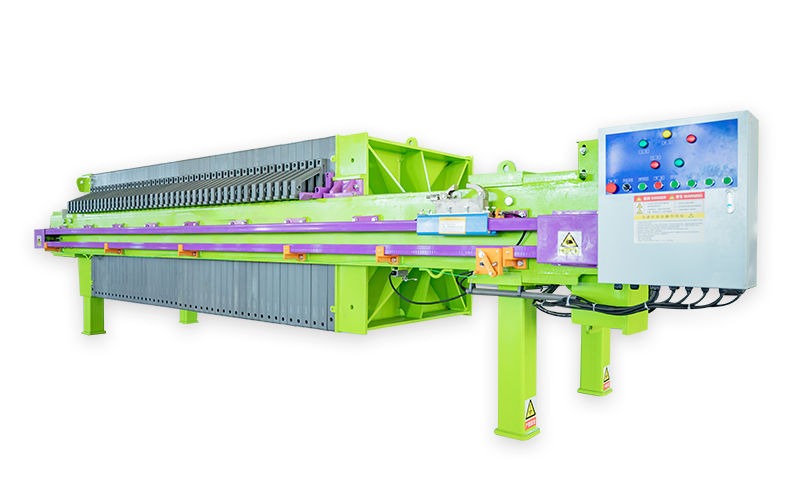
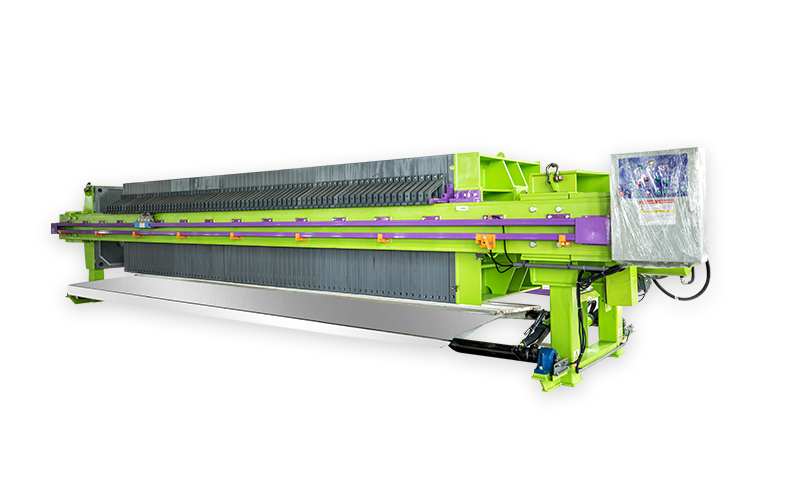
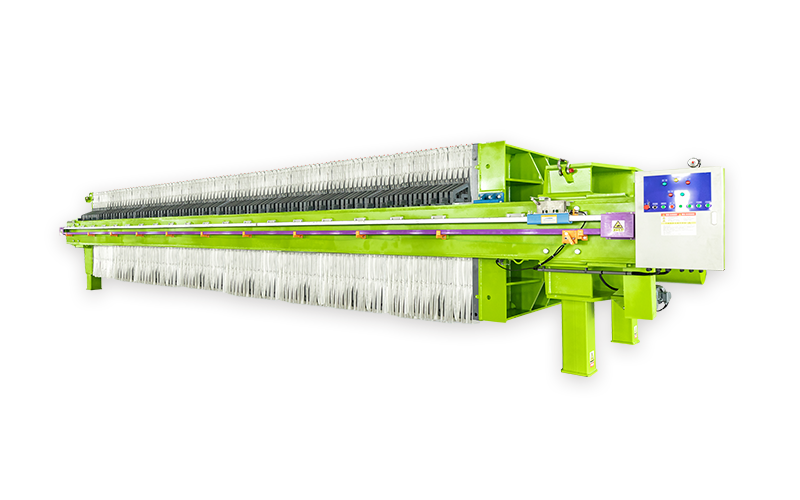
2000mm filter presses are designed for high-capacity applications, providing a reliable solution for separating solids from liquids in various industrial settings. The size of the filter press allows for greater throughput, making it suitable for operations that require large volumes of filtration.
3.1. What Makes 2000mm Filter Presses Unique?
The 2000mm filter press stands out due to its extensive surface area, which significantly increases filtration efficiency. Its design accommodates various types of filter media, enabling it to handle a wide range of materials, from slurries to fine particles. This adaptability makes it an invaluable asset in industries with diverse filtration needs.
3.2. Applications of 2000mm Filter Press Technology
2000mm filter presses find applications across multiple industries, including:
- **Mining and Minerals Processing**: Effective separation of minerals from slurries.
- **Wastewater Treatment**: Removal of contaminants from industrial effluents.
- **Food and Beverage**: Clarification and purification processes.
- **Pharmaceuticals**: Ensuring product purity and safety.
As these sectors continue to expand, the demand for reliable filtration solutions like the 2000mm filter press is expected to grow.
4. Recent Advancements in 2000mm Filter Press Technology
The filtration landscape has seen remarkable innovations, particularly in 2000mm filter press technology. These advancements aim to improve efficiency, reduce costs, and enhance environmental sustainability.
4.1. Automation and Control Systems
Modern 2000mm filter presses are equipped with sophisticated automation and control systems. These advancements allow for real-time monitoring and adjustments, optimizing filtration processes and minimizing downtime. Automated systems improve operational efficiency and reduce the risk of human error, leading to consistent product quality.
4.2. Enhanced Filtration Media
Recent developments in filtration media have significantly impacted the performance of 2000mm filter presses. New materials, including advanced polymer membranes and composite fabrics, offer improved filtration rates and greater durability. These enhancements reduce the frequency of media replacement, lowering operational costs and increasing efficiency.
4.3. Energy Efficiency Improvements
Energy consumption is a critical concern in industrial operations. Innovations in the design of 2000mm filter presses focus on reducing energy requirements while maintaining high performance. Energy-efficient pumps and motors, combined with optimized process controls, contribute to lower operational costs and a reduced carbon footprint.
5. Future Trends in Filtration Technology
Looking ahead, several trends are shaping the future of filtration technology, particularly for 2000mm filter presses.
5.1. Sustainability and Environmental Considerations
Sustainability is becoming a priority across all industries. Future advancements in 2000mm filter press technology will likely focus on reducing waste, conserving water, and minimizing energy consumption. The integration of eco-friendly materials and processes will resonate with industries striving to meet environmental regulations and corporate sustainability goals.
5.2. Digital Transformation in Filtration Processes
The digitalization of industrial processes is transforming how companies operate. The future of 2000mm filter presses will likely see enhanced connectivity, allowing for data analytics, predictive maintenance, and improved decision-making. By harnessing the power of data, companies can optimize filtration processes and reduce operational risks.
6. Challenges Facing the Filtration Industry
Despite the advancements in 2000mm filter press technology, the industry faces several challenges. These include:
- **Regulatory Compliance**: Adhering to strict environmental regulations can complicate operations.
- **Technological Integration**: Incorporating new technologies into existing systems may pose difficulties.
- **Cost Management**: Balancing the costs of innovation with operational budgets is a continuous challenge.
Addressing these issues is crucial for the continued growth and adoption of advanced filtration technologies.
7. FAQs about 2000mm Filter Press Technology
What is a 2000mm filter press?
A 2000mm filter press is a large-scale filtration device designed to separate solids from liquids efficiently. It features a large surface area for optimal filtration performance, making it suitable for high-capacity industrial applications.
What industries use 2000mm filter presses?
2000mm filter presses are used in various industries, including mining, wastewater treatment, food processing, and pharmaceuticals, due to their versatility and high filtration efficiency.
How does automation enhance the performance of filter presses?
Automation allows for real-time monitoring and control of the filtration process, improving efficiency, consistency, and reducing human error. This leads to lower operational costs and enhanced product quality.
What are the benefits of enhanced filtration media?
Enhanced filtration media provide improved filtration rates, greater durability, and lower replacement costs. They can also handle a wider range of materials, making them suitable for diverse applications.
How does energy efficiency impact the operation of a filter press?
Improved energy efficiency reduces operational costs and minimizes environmental impact. Energy-efficient designs ensure that filter presses operate effectively while consuming less power.
8. Conclusion
The future of filtration, particularly with advancements in 2000mm filter press technology, promises to revolutionize industrial processes. By embracing innovations such as automation, enhanced filtration media, and energy efficiency improvements, industries can achieve greater operational efficiency and sustainability. As we move forward, staying informed about these advancements will be crucial for businesses looking to maintain a competitive edge in an ever-evolving landscape. Investing in the latest filtration technologies will not only enhance productivity but also contribute to long-term environmental goals, ensuring a cleaner, more sustainable future for all industries involved.
We sincerely look forward to cooperating with you!
Customized Filtration System Overall Solution
Contact Us
Contact Information
Nan Development Zone, Jingxian County, Hengshui City, Hebei Province
Online Consultation
If you are interested in our products, please leave your email address, and we will contact you as soon as possible. Thank you!