

The Future of Wastewater Treatment: 1250 Filter Press Innovations
Aug 07,2026


The Future of Wastewater Treatment: 1250 Filter Press Innovations
Table of Contents
1. Introduction to Wastewater Treatment Innovations
2. Understanding Filter Press Technology
3. Evolution of Filter Presses in Wastewater Treatment
4. Key Innovations in Filter Press Design
4.1 Automated Systems for Enhanced Efficiency
4.2 Energy-Efficient Filter Presses
4.3 Smart Monitoring and Control Technologie
The Future of Wastewater Treatment: 1250 Filter Press Innovations
Table of Contents
1. Introduction to Wastewater Treatment Innovations
2. Understanding Filter Press Technology
3. Evolution of Filter Presses in Wastewater Treatment
4. Key Innovations in Filter Press Design
4.1 Automated Systems for Enhanced Efficiency
4.2 Energy-Efficient Filter Presses
4.3 Smart Monitoring and Control Technologies
5. Advantages of Modern Filter Presses
6. Environmental Impact of Innovative Filter Press Solutions
7. Case Studies: Success Stories in Wastewater Treatment
8. Frequently Asked Questions (FAQs)
9. Conclusion
1. Introduction to Wastewater Treatment Innovations
The field of wastewater treatment is undergoing a significant transformation, driven by the need for sustainability, efficiency, and regulatory compliance. As industries face increasing scrutiny over their environmental impact, innovative technologies, particularly filter presses, have emerged as critical components in modern wastewater management. **This article explores 1250 filter press innovations that are redefining the landscape of wastewater treatment**, enhancing the ability to treat and recycle water effectively.
2. Understanding Filter Press Technology
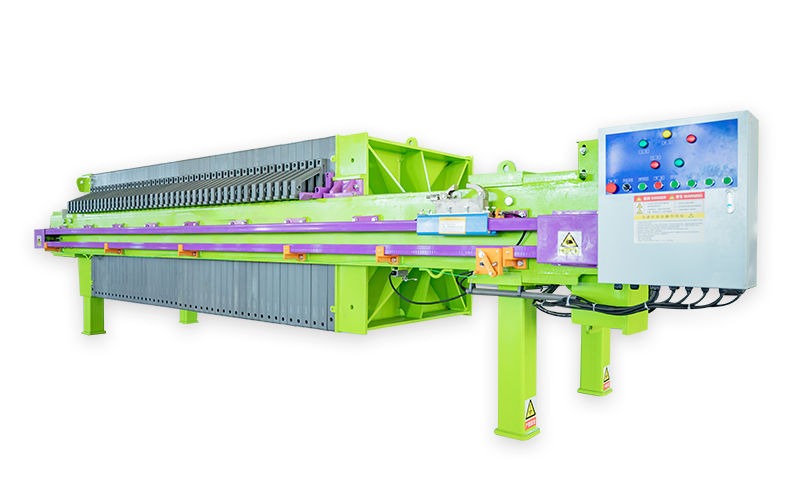
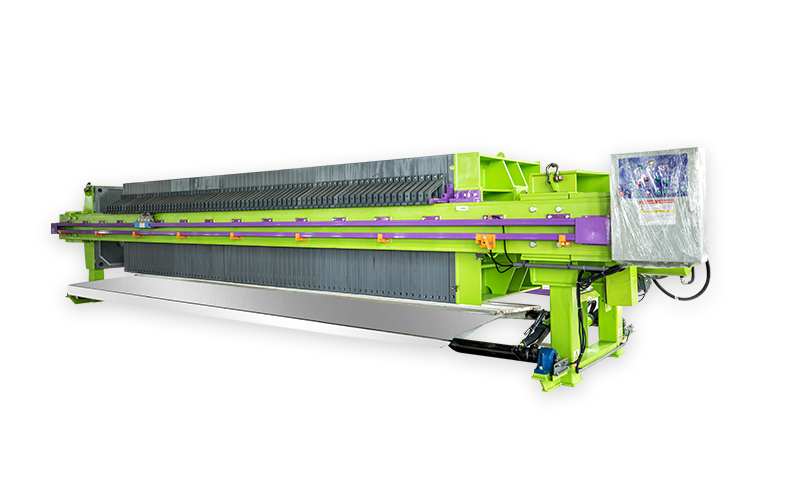
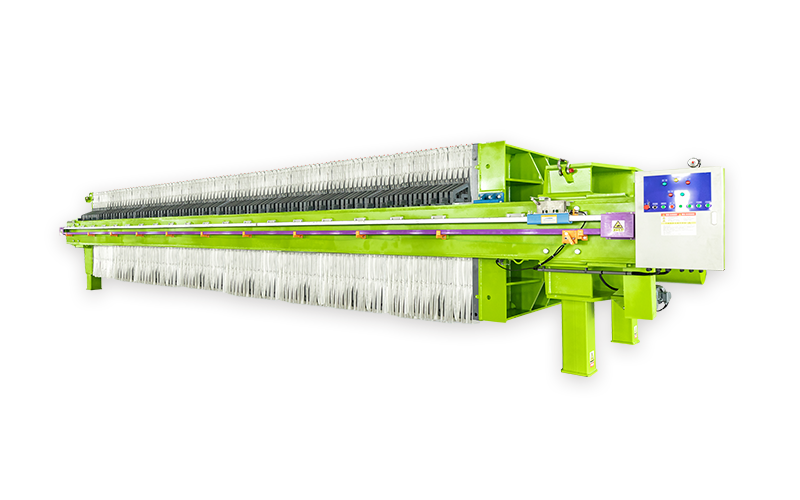
Filter presses are mechanical devices that separate solids from liquids through the use of pressure filtration. They are widely used in various industries, including food and beverage, pharmaceuticals, and mining, for sludge dewatering. The **filter press process involves feeding a slurry into the press, where it is subjected to pressure**. This action forces the liquid through a filter medium, leaving behind solid particles which are then collected as a cake.
3. Evolution of Filter Presses in Wastewater Treatment
Historically, filter presses have evolved from basic, manual operations to sophisticated, automated systems. The introduction of new materials and technologies has enabled filter presses to become more efficient and durable. **Today, innovations in design and functionality have made filter presses not only more effective** but also more user-friendly, reducing labor costs and downtime.
4. Key Innovations in Filter Press Design
Recent advancements in filter press technology are paving the way for more efficient wastewater treatment. Below are several notable innovations that are shaping the future of this critical industry.
4.1 Automated Systems for Enhanced Efficiency
Automation is a game-changer in the wastewater treatment sector. **Modern filter presses now come equipped with automated functionalities that streamline the entire filtration process**. Sensors and programmable logic controllers (PLCs) enable real-time monitoring and adjustment of operating parameters, significantly improving throughput and reducing the need for manual intervention.
4.2 Energy-Efficient Filter Presses
Energy efficiency is a pressing concern in industrial operations. **New filter press designs incorporate energy-saving technologies**, such as variable frequency drives (VFDs) and optimized hydraulic systems. These innovations not only reduce energy consumption but also lower operational costs, making wastewater treatment processes more sustainable.
4.3 Smart Monitoring and Control Technologies
The integration of IoT (Internet of Things) technologies into filter presses has revolutionized how industries monitor and manage wastewater treatment. **Remote monitoring systems provide real-time data on performance metrics**, enabling operators to make informed decisions quickly. Predictive maintenance capabilities further enhance reliability, minimizing unexpected downtimes.
5. Advantages of Modern Filter Presses
Investing in modern filter press technology offers numerous benefits for industries involved in wastewater treatment. **These advantages include**:
- Enhanced filtration efficiency and cake dryness
- Reduced labor costs due to automation
- Lower energy consumption and operational expenses
- Improved compliance with environmental regulations
- Increased overall system reliability and longevity
6. Environmental Impact of Innovative Filter Press Solutions
The environmental implications of wastewater treatment cannot be overstated. **Innovative filter presses contribute to significant reductions in waste generation and energy use**, ultimately supporting sustainability goals. By facilitating the recycling and recovery of valuable resources from wastewater, these technologies play a crucial role in promoting a circular economy.
7. Case Studies: Success Stories in Wastewater Treatment
Across various sectors, organizations have successfully implemented innovative filter press technologies to enhance their wastewater management practices. For instance, a leading food processing plant adopted an advanced filter press system that improved sludge dewatering efficiency by 30%. **This not only reduced disposal costs but also allowed for the recovery of clean water, which was reused in production processes**.
In another instance, a mining company integrated smart monitoring solutions into their filtration systems. **The result was a 25% increase in system uptime**, as predictive maintenance practices minimized equipment failures and ensured continuous operation.
8. Frequently Asked Questions (FAQs)
What is a filter press?
A filter press is a mechanical device used to separate solids from liquids using pressure filtration, commonly utilized in wastewater treatment.
How does a filter press work?
In a filter press, a slurry is pushed through a filter medium under pressure, resulting in the separation of liquid from solid particles, which are collected as a cake.
What are the benefits of using a filter press in wastewater treatment?
Benefits include higher efficiency in solids/liquid separation, reduced environmental impact, lower operational costs, and compliance with regulatory standards.
What innovations are present in modern filter presses?
Recent innovations include automated systems, energy-efficient designs, and smart monitoring technologies that enhance performance and reduce operational challenges.
How do filter presses contribute to sustainability?
Filter presses support sustainability by enabling the recycling of water and reducing waste generation, thus promoting a circular economy in industrial processes.
9. Conclusion
The landscape of wastewater treatment is rapidly evolving with innovative filter press technologies. As industries strive to meet regulatory standards and sustainability goals, the adoption of advanced filtration systems is essential. **These innovations not only enhance efficiency and reduce costs** but also significantly contribute to environmental sustainability. By embracing these advancements, industries can ensure a cleaner, more sustainable future for wastewater management. The future of wastewater treatment is bright, and filter presses are at the forefront of this transformation.
We sincerely look forward to cooperating with you!
Customized Filtration System Overall Solution
Contact Us
Contact Information
Nan Development Zone, Jingxian County, Hengshui City, Hebei Province
Online Consultation
If you are interested in our products, please leave your email address, and we will contact you as soon as possible. Thank you!