

How to Choose the Right 800 Chamber Filter Press for Your Wastewater Needs
Jul 26,2026


How to Choose the Right 800 Chamber Filter Press for Your Wastewater Needs
Table of Contents
Understanding Filter Press Technology
Benefits of Using an 800 Chamber Filter Press
Key Factors to Consider When Choosing an 800 Chamber Filter Press
How to Calculate Your Filtering Needs
Maintenance Considerations for Optimal Performance
Common Applications of 800 Chamber Filt
How to Choose the Right 800 Chamber Filter Press for Your Wastewater Needs
Table of Contents
- Understanding Filter Press Technology
- Benefits of Using an 800 Chamber Filter Press
- Key Factors to Consider When Choosing an 800 Chamber Filter Press
- How to Calculate Your Filtering Needs
- Maintenance Considerations for Optimal Performance
- Common Applications of 800 Chamber Filter Presses
- Choosing the Right Supplier for Your Filter Press
- FAQs about 800 Chamber Filter Presses
Understanding Filter Press Technology
What is a Filter Press?
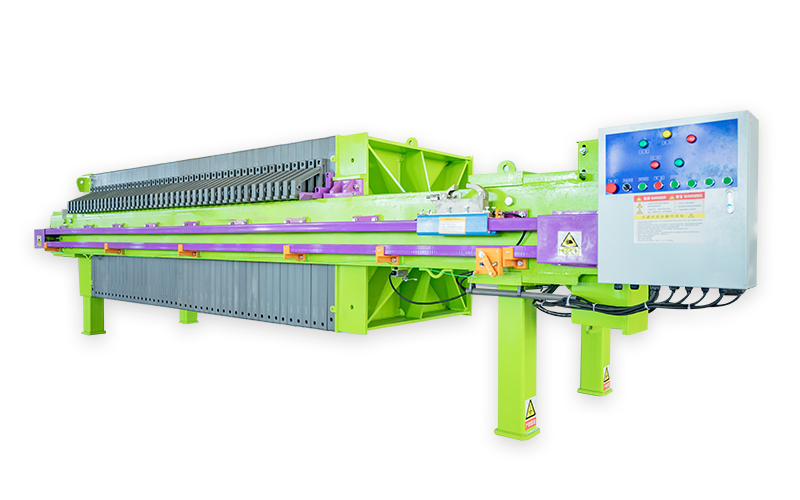
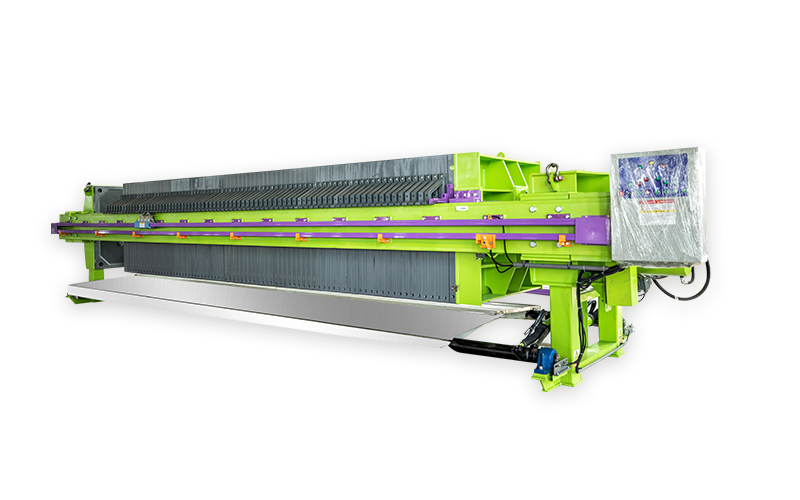
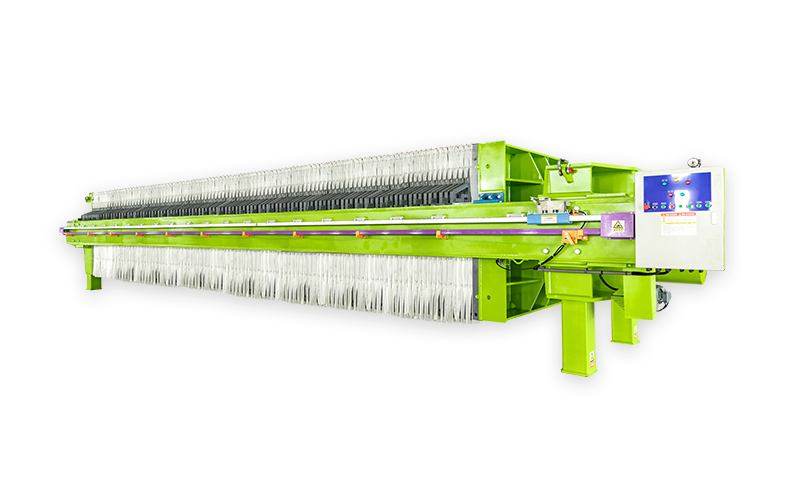
A **filter press** is a crucial piece of equipment used in various industries for the separation of solids and liquids. Operating on the principle of pressure filtration, it consists of a series of frames and plates that hold filter cloths. The wastewater is pumped into the press, where it is subjected to high pressure, causing the liquids to pass through the cloth while solids are trapped, forming a cake.
The Role of Chamber Filter Presses
The **800 chamber filter press**, specifically, is designed to handle larger volumes of wastewater efficiently. Its chamber capacity allows for significant solid retention, making it an excellent choice for industries that deal with high solid content in their effluents.
Benefits of Using an 800 Chamber Filter Press
Efficiency in Filtration
One of the primary benefits of the **800 chamber filter press** is its **high efficiency** in separating solids from liquids. With its robust design, it can operate at higher pressures, resulting in a drier cake and clearer filtrate. This efficiency directly impacts operational costs by reducing disposal rates and improving recovery rates.
Cost-Effectiveness
Investing in an **800 chamber filter press** can lead to substantial cost savings. With its ability to handle larger batches, it minimizes the need for multiple smaller units, ultimately reducing maintenance and operational costs.
Versatility Across Industries
The versatility of the 800 chamber filter press makes it suitable for numerous applications, from municipal wastewater treatment to industrial processes like mining and food production. This adaptability ensures that it can meet diverse filtering needs effectively.
Key Factors to Consider When Choosing an 800 Chamber Filter Press
1. Type of Wastewater
Understanding the characteristics of your wastewater is critical. Analyze the **solid content, particle size, and chemical makeup** of the effluent. Different wastewater types may require specific filter cloths or press designs for optimal performance.
2. Filtration Capacity
Determine your **filtration needs** based on the volume of wastewater generated. The 800 chamber filter press can handle substantial quantities, but it’s essential to ensure that it aligns with your facility's processing capabilities.
3. Cake Thickness
The desired thickness of the solid cake will influence the selection of the filter press. An 800 chamber filter press can produce various cake thicknesses based on the requirements of post-treatment or disposal methods.
4. Operating Pressure
Check the operational pressure of the filter press. Higher pressures lead to more efficient filtration but may require more robust components. Ensure your setup can accommodate the required pressure for efficient operation.
5. Available Space
Assess the space in your facility for the installation of the filter press. The **800 chamber filter press** can be quite large, so having adequate room is essential for both installation and maintenance.
6. Automation and Control Features
Modern filter presses often come with automated controls, which enhance user experience and operational efficiency. Look for features like **programmable logic controllers (PLCs)** that can help streamline operations.
7. Maintenance Requirements
Evaluate the maintenance needs of the filter press. Regular maintenance is crucial for longevity and optimal performance. Choose a model that offers easy access to parts and simple maintenance procedures.
How to Calculate Your Filtering Needs
Volume of Wastewater
Start by calculating the **daily volume of wastewater** generated. This data is fundamental in determining the appropriate size of the filter press.
Solid Content Analysis
Conduct a thorough analysis of the solid content per liter of wastewater. Knowing the total solids helps in selecting the right filter cloth and press design to handle the specific characteristics of your effluent.
Desired Filtrate Quality
Define the quality of the filtrate you aim to achieve. This can influence the choice of filter media and the operational parameters of the filter press.
Maintenance Considerations for Optimal Performance
Regular Inspections
Conduct routine inspections of the filter press, focusing on critical components such as the **hydraulic system, filter plates, and cloths**. Identifying potential issues early can prevent costly repairs.
Cloth Replacement
The filter cloths experience wear over time and must be replaced periodically. Monitor their condition closely, and establish a replacement schedule to maintain operational efficiency.
Hydraulic System Maintenance
The hydraulic system is vital for the operation of the filter press. Regularly check the hydraulic fluids and inspect for leaks or malfunctions to ensure consistent performance.
Common Applications of 800 Chamber Filter Presses
Municipal Wastewater Treatment
In municipal settings, the **800 chamber filter press** plays a crucial role in treating sewage and industrial effluents, helping to produce cleaner effluents that meet regulatory standards.
Mining Industry
In the mining industry, these filter presses are employed to dewater slurries and tailings, reducing waste volume and facilitating recycling processes.
Food and Beverage Processing
The food and beverage sector utilizes filter presses to clarify liquids, remove impurities, and ensure product quality, making them indispensable in this industry.
Choosing the Right Supplier for Your Filter Press
Research Potential Suppliers
Evaluate potential suppliers by looking at their experience, reputation, and customer reviews. A well-established supplier will offer not only quality products but also comprehensive support services.
Request Quotes and Compare
Obtain quotes from multiple suppliers. Compare their offerings, including warranties, service agreements, and pricing structures.
Support and Maintenance Services
Choose a supplier that provides robust support and maintenance services. Having access to technical support can make a significant difference in the long-term satisfaction with your equipment.
FAQs about 800 Chamber Filter Presses
What is the typical lifespan of an 800 chamber filter press?
The lifespan of an 800 chamber filter press can vary based on usage and maintenance but typically ranges from **10 to 15 years**.
How often should the filter cloth be replaced?
Filter cloths should be inspected regularly and typically replaced every **6 to 12 months**, depending on the nature of the wastewater and operational conditions.
Can an 800 chamber filter press handle varying solid content?
Yes, these filter presses can be designed to accommodate varying solid contents. However, specific configurations may be needed to optimize performance for different wastewater types.
What are the energy consumption requirements for operating an 800 chamber filter press?
Energy consumption can vary based on the size and model of the filter press, but operational costs can be minimized with proper maintenance and optimization of operational settings.
Are spare parts readily available for 800 chamber filter presses?
Leading manufacturers typically provide a comprehensive inventory of spare parts, ensuring that maintenance and repairs can be conducted promptly.
Conclusion
Choosing the right **800 chamber filter press** for your wastewater needs is a critical decision that can significantly affect your operational efficiency and environmental compliance. By carefully considering factors such as wastewater characteristics, filtering needs, and maintenance requirements, you can make an informed choice that aligns with your specific needs. Investing the time to understand your options and selecting a reputable supplier will further enhance the performance and longevity of your filter press, ensuring that your wastewater treatment processes run smoothly and effectively.
Previous:
We sincerely look forward to cooperating with you!
Customized Filtration System Overall Solution
Contact Us
Contact Information
Nan Development Zone, Jingxian County, Hengshui City, Hebei Province
Online Consultation
If you are interested in our products, please leave your email address, and we will contact you as soon as possible. Thank you!