

A Comprehensive Guide to Operating a 1250mm Filter Press: Maximize Efficiency and Performance
Jul 24,2026


A Comprehensive Guide to Operating a 1250mm Filter Press
Table of Contents
Introduction to the 1250mm Filter Press
Understanding the Working Principle of a Filter Press
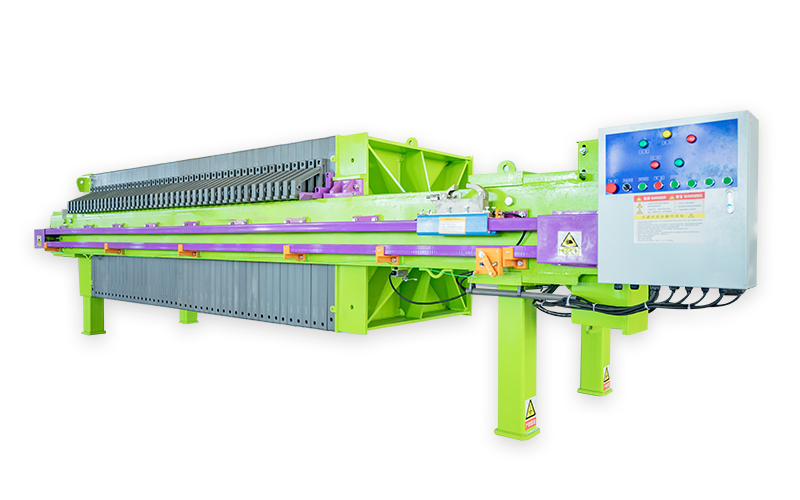
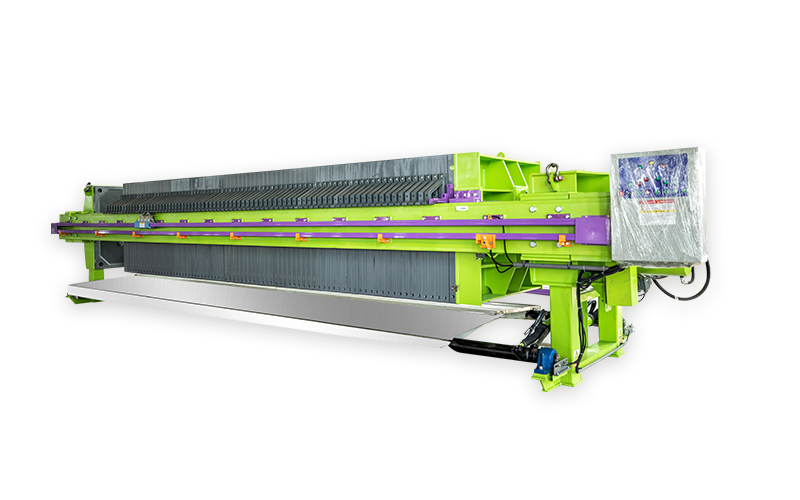
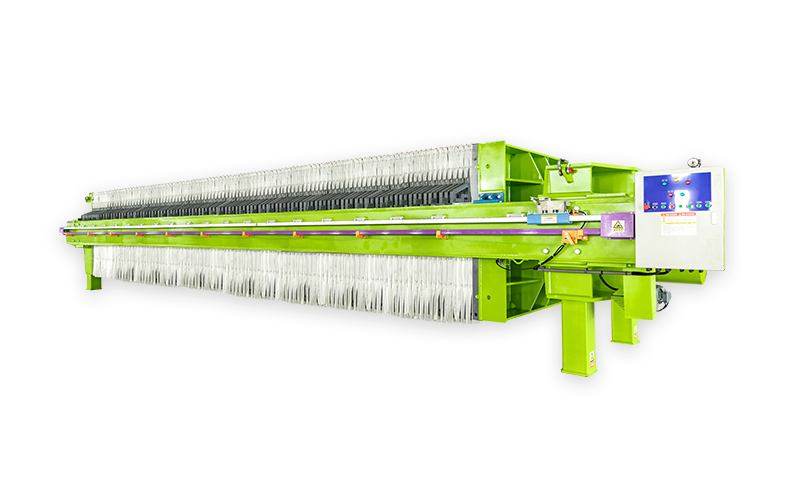
Key Components of a 1250mm Filter Press
Step-by-Step Operating Procedure for the 1250mm Filter Press
Essential Maintenance Tips for Longevity
Troubleshooting Common Issues with a Filter Press
Safety Con
A Comprehensive Guide to Operating a 1250mm Filter Press
Table of Contents
- Introduction to the 1250mm Filter Press
- Understanding the Working Principle of a Filter Press
- Key Components of a 1250mm Filter Press
- Step-by-Step Operating Procedure for the 1250mm Filter Press
- Essential Maintenance Tips for Longevity
- Troubleshooting Common Issues with a Filter Press
- Safety Considerations When Operating a Filter Press
- Conclusion
- Frequently Asked Questions
Introduction to the 1250mm Filter Press
The **1250mm filter press** is an essential piece of equipment in various industries, including mining, wastewater treatment, and food processing. Its primary function is to separate solids from liquids efficiently, thereby enhancing the quality of the final product while minimizing waste. Understanding how to operate this machine effectively is vital for ensuring optimal performance and achieving desired outcomes.
In this comprehensive guide, we will explore the critical aspects of operating a 1250mm filter press, including its working principle, key components, operating procedures, maintenance, troubleshooting tips, and safety considerations. Our aim is to provide a resource that empowers operators to maximize the efficiency and longevity of their filter presses.
Understanding the Working Principle of a Filter Press
A filter press operates based on a simple yet effective principle of filtration. The process begins with the feed slurry being pumped into the filter press, where it is directed through a series of filter plates. The plates are lined with filter cloth, which allows liquids to pass through while retaining solid particles.
The operation can be broken down into several stages:
1. Filling Stage
During the filling stage, the slurry enters the filter press through an inlet port. The hydraulic pressure forces the slurry into the chambers formed by the filter plates. As the liquid passes through the filter cloth, it separates from the solids.
2. Filtration Stage
In this stage, the liquid continues to flow through the filter cloth, while the solids accumulate on the surface of the cloth. This layer of solids acts as a pre-filter, enhancing the filtration efficiency.
3. Cake Formation Stage
As the filtration process continues, a filter cake forms, consisting of the retained solids. This cake can often be further dewatered, improving the solids' dryness and reducing waste volume.
4. Washing Stage
In some applications, a washing stage may be necessary to remove impurities from the filter cake. This is achieved by introducing wash water, which flows through the cake, rinsing away any remaining soluble materials.
5. Cake Discharge Stage
Once filtration and washing are complete, the filter press is opened, and the solid cake is ejected from the plates. This process is often automated, allowing for efficient and safe removal of the cake.
Key Components of a 1250mm Filter Press
To operate a 1250mm filter press effectively, it’s crucial to understand its main components. Each plays a significant role in the filtration process:
1. Filter Plates
The filter plates are the heart of the filter press. They create the chambers where the filtration occurs and are typically made from durable materials like polypropylene or cast iron.
2. Filter Cloth
The filter cloth lines the filter plates and is essential for separating solids from liquids. Choosing the right cloth type and mesh size can significantly impact filtration efficiency.
3. Hydraulic System
The hydraulic system provides the necessary pressure to close the plates tightly during operation and open them for cake discharge. Maintenance of this system is vital for safe and efficient operation.
4. Pump
A slurry pump is crucial for transporting the feed slurry to the filter press. The pump must be compatible with the type of material being processed to ensure optimal performance.
5. Control Panel
Modern filter presses are often equipped with a control panel that allows for automation and monitoring of the filtration process. Operators can adjust settings and oversee the operation from this centralized location.
Step-by-Step Operating Procedure for the 1250mm Filter Press
Operating a 1250mm filter press requires a well-defined procedure to ensure efficiency and safety. Below is a step-by-step guide to operating the equipment correctly:
1. Pre-Operation Checks
- **Inspect the filter press**: Ensure that the filter plates, cloth, and hydraulic system are in good condition.
- **Check the hydraulic oil level**: Make sure there is sufficient hydraulic fluid for operation.
- **Inspect the pump**: Ensure the slurry pump is functioning correctly and is ready for operation.
2. Setting Up the Filter Press
- **Connect the feed line**: Attach the slurry feed line to the filter press inlet.
- **Close the filter press**: Use the hydraulic control to ensure that the plates are tightly closed.
3. Starting the Operation
- **Start the pump**: Begin pumping the slurry into the filter press. Monitor the pressure gauge to ensure it remains within the recommended operating range.
- **Monitor the filtration process**: Watch for signs of clogging or pressure drops, which may indicate issues with the filter cloth or cake formation.
4. Cake Discharge
- **End the feeding process**: Once the desired filtration is achieved, stop the slurry pump.
- **Open the filter press**: Use the hydraulic controls to open the filter press carefully.
- **Remove the filter cake**: Eject the solid cake and dispose of it as necessary.
Essential Maintenance Tips for Longevity
Proper maintenance of a 1250mm filter press is critical for ensuring its long-term performance. Here are some key maintenance tips:
1. Regular Inspection
Conduct regular inspections of the filter plates, cloth, and hydraulic system. Look for signs of wear or damage.
2. Clean Filter Cloths
Keep the filter cloths clean to prevent clogging. Depending on the application, you may need to wash them after each use.
3. Monitor Hydraulic Fluid Levels
Regularly check hydraulic fluid levels and replace fluids according to the manufacturer’s guidelines.
4. Lubricate Moving Parts
Lubrication of moving parts is essential to prevent wear and tear. Follow the manufacturer's recommendations for suitable lubricants.
5. Train Operators
Ensure that all operators are trained in the proper use and maintenance of the filter press to reduce the risk of accidents and equipment failure.
Troubleshooting Common Issues with a Filter Press
Even with the best maintenance practices, issues may arise during the operation of a 1250mm filter press. Here are some common problems and their solutions:
1. Low Filtration Rate
If you notice a decrease in the filtration rate, it could be due to clogged filter cloth. Inspect and clean the cloth as necessary.
2. High Pressure in the System
Excessive pressure may indicate a blockage in the system. Stop the operation and investigate the cause, which may involve checking the pump and filter cloth.
3. Uneven Cake Formation
An uneven cake may signal improper slurry feeding or an issue with the filter cloth. Ensure the slurry is uniformly distributed and inspect the cloth for damage.
4. Hydraulic Leaks
Leaks in the hydraulic system can compromise performance. Inspect hoses and connections for wear and replace any damaged components.
Safety Considerations When Operating a Filter Press
Safety should always be a top priority when operating a 1250mm filter press. Here are some safety considerations to keep in mind:
1. Personal Protective Equipment (PPE)
Always wear appropriate PPE, including gloves, goggles, and hard hats, to protect yourself from potential hazards.
2. Follow Standard Operating Procedures (SOPs)
Ensure all operators are trained in the SOPs relevant to filter press operation. Adhering to established procedures helps prevent accidents.
3. Lockout/Tagout Procedures
Implement lockout/tagout procedures during maintenance to prevent accidental machine operation.
4. Emergency Procedures
Be aware of emergency procedures in case of equipment failure or spills. Regular drills can help ensure all operators know how to respond.
Conclusion
Operating a 1250mm filter press requires a blend of technical knowledge, practical skills, and maintenance awareness. By understanding its working principles, components, and proper operational procedures, operators can enhance efficiency and prolong equipment lifespan. Adhering to regular maintenance schedules and addressing potential issues promptly will further ensure optimal performance.
Investing time in training and safety measures will not only boost productivity but also create a safer working environment. This comprehensive guide serves as a valuable resource for maximizing the potential of your 1250mm filter press.
Frequently Asked Questions
1. What is the maximum pressure a 1250mm filter press can handle?
The maximum pressure varies by model, but most 1250mm filter presses can operate efficiently at pressures between 5 to 15 bar.
2. How often should I clean the filter cloth?
Cleaning frequency depends on the application but generally should be done after each use or when a drop in performance is noticed.
3. Can a filter press be automated?
Yes, many filter presses can be automated with the use of advanced controls, allowing operators to monitor and adjust settings easily.
4. What types of materials can be processed in a filter press?
Filter presses can handle a wide range of materials, including slurries from mining, wastewater treatments, and food processing.
5. How can I extend the lifespan of my filter press?
Regular maintenance, proper operation techniques, and using high-quality components are key to extending the lifespan of your filter press.
By following the guidelines presented in this article, users can ensure their 1250mm filter press operates at its peak efficiency, contributing to better processing outcomes and reduced operational costs.
Previous:
We sincerely look forward to cooperating with you!
Customized Filtration System Overall Solution
Contact Us
Contact Information
Nan Development Zone, Jingxian County, Hengshui City, Hebei Province
Online Consultation
If you are interested in our products, please leave your email address, and we will contact you as soon as possible. Thank you!