

Understanding the Role of a 1000 Chamber Filter Press in Electroplating Waste Management
Jul 17,2026


In the realm of industrial equipment, particularly in the filtration domain, the 1000 chamber filter press plays a pivotal role, especially in the management of electroplating waste. Electroplating processes often generate significant amounts of waste, including heavy metals and hazardous chemicals, which require effective treatment before disposal. This is where a filter press becomes essential.
In the realm of industrial equipment, particularly in the filtration domain, the 1000 chamber filter press plays a pivotal role, especially in the management of electroplating waste. Electroplating processes often generate significant amounts of waste, including heavy metals and hazardous chemicals, which require effective treatment before disposal. This is where a filter press becomes essential.
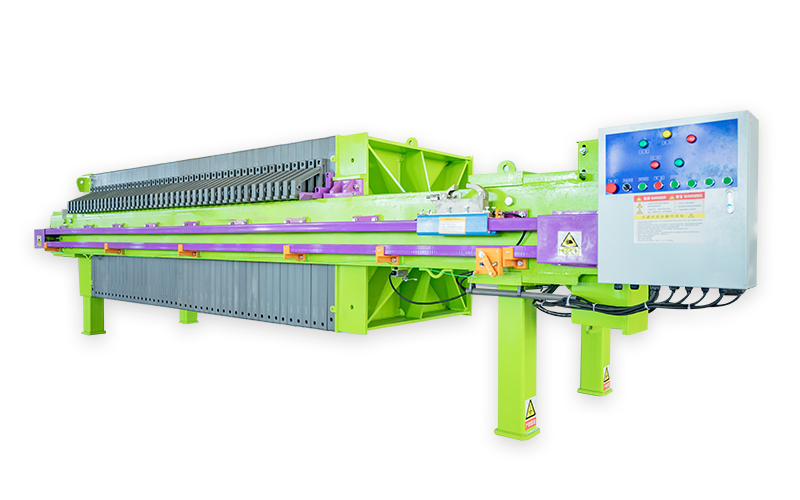
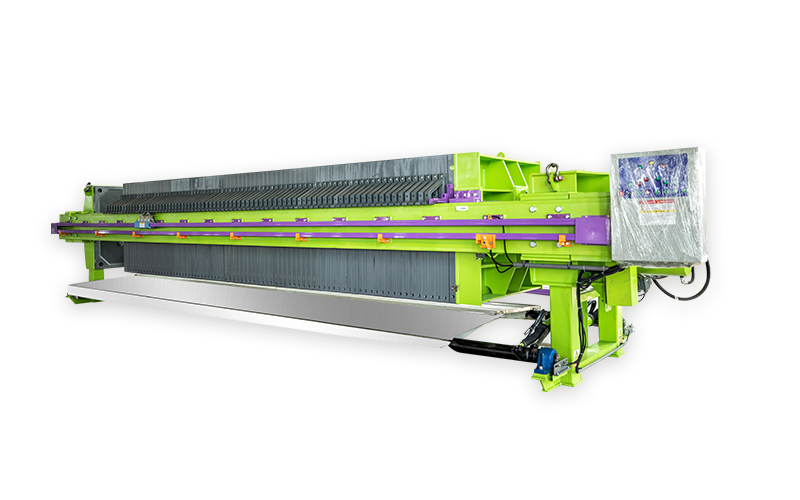
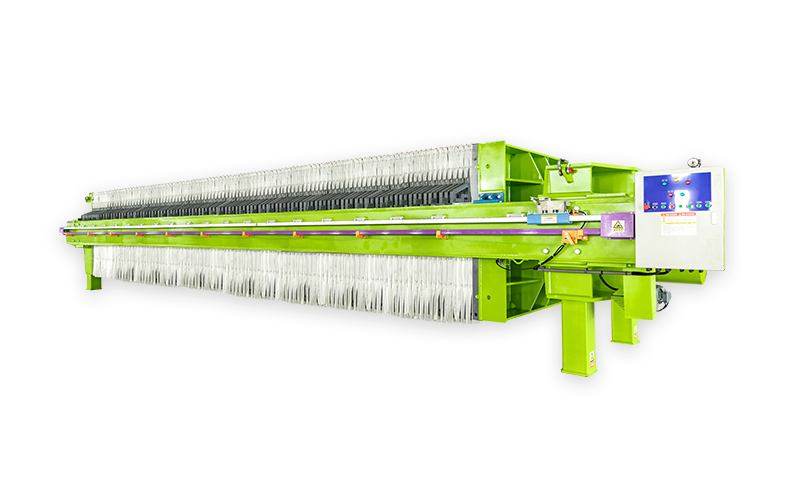
A 1000 chamber filter press is designed to separate solids from liquids, making it an ideal choice for electroplating waste management. The design features numerous chambers that enable high-capacity processing of waste materials. As waste enters the press, it is subjected to high pressure, causing the liquid to pass through the filter cloth while the solid particles are retained within the chambers. This results in a dry cake of solids that can be more easily handled and disposed of in an environmentally responsible manner.
One of the primary advantages of using a 1000 chamber filter press is its efficiency in removing contaminants from electroplating waste. The process not only reduces the volume of waste but also minimizes the potential for environmental harm caused by improper disposal of hazardous materials. By achieving a high degree of solid-liquid separation, industries can ensure that they comply with environmental regulations and standards.
Furthermore, the operational flexibility of a 1000 chamber filter press allows it to adapt to various types of electroplating waste. Whether dealing with spent plating solutions or sludges rich in metals, this filter press can be configured to meet specific processing requirements. The ability to handle different waste streams efficiently contributes to cost savings and improved sustainability for businesses.
Another factor to consider is the maintenance and operational cost associated with a 1000 chamber filter press. While these systems can require an initial investment, their durability and low operational costs often lead to a favorable return on investment over time. Regular maintenance ensures optimal performance, prolonging the life of the equipment and reducing the likelihood of unexpected downtime.
In conclusion, the 1000 chamber filter press stands as a critical piece of equipment in the electroplating industry’s waste management efforts. Its ability to effectively separate solids from liquids not only aids in compliance with environmental regulations but also promotes a more sustainable approach to waste handling. By investing in such technology, industries can significantly improve their operational efficiency while minimizing their environmental footprint. Thus, understanding and integrating a 1000 chamber filter press into electroplating processes can lead to better waste management solutions for businesses looking to enhance their environmental responsibility.
A 1000 chamber filter press is designed to separate solids from liquids, making it an ideal choice for electroplating waste management. The design features numerous chambers that enable high-capacity processing of waste materials. As waste enters the press, it is subjected to high pressure, causing the liquid to pass through the filter cloth while the solid particles are retained within the chambers. This results in a dry cake of solids that can be more easily handled and disposed of in an environmentally responsible manner.
One of the primary advantages of using a 1000 chamber filter press is its efficiency in removing contaminants from electroplating waste. The process not only reduces the volume of waste but also minimizes the potential for environmental harm caused by improper disposal of hazardous materials. By achieving a high degree of solid-liquid separation, industries can ensure that they comply with environmental regulations and standards.
Furthermore, the operational flexibility of a 1000 chamber filter press allows it to adapt to various types of electroplating waste. Whether dealing with spent plating solutions or sludges rich in metals, this filter press can be configured to meet specific processing requirements. The ability to handle different waste streams efficiently contributes to cost savings and improved sustainability for businesses.
Another factor to consider is the maintenance and operational cost associated with a 1000 chamber filter press. While these systems can require an initial investment, their durability and low operational costs often lead to a favorable return on investment over time. Regular maintenance ensures optimal performance, prolonging the life of the equipment and reducing the likelihood of unexpected downtime.
In conclusion, the 1000 chamber filter press stands as a critical piece of equipment in the electroplating industry’s waste management efforts. Its ability to effectively separate solids from liquids not only aids in compliance with environmental regulations but also promotes a more sustainable approach to waste handling. By investing in such technology, industries can significantly improve their operational efficiency while minimizing their environmental footprint. Thus, understanding and integrating a 1000 chamber filter press into electroplating processes can lead to better waste management solutions for businesses looking to enhance their environmental responsibility.
We sincerely look forward to cooperating with you!
Customized Filtration System Overall Solution
Contact Us
Contact Information
Nan Development Zone, Jingxian County, Hengshui City, Hebei Province
Online Consultation
If you are interested in our products, please leave your email address, and we will contact you as soon as possible. Thank you!